Dog Brain Health
VetriScience Composure Calming Chews for Dogs: Honest Guide


Whether Composure works for your dog comes down to the same honest answer the research gives for every calming chew: some evidence suggests benefits for studied calming ingredients, findings are still emerging, and individual responses vary from dog to dog. The useful move is not trusting any front label, it is checking the ingredient panel for studied names like L-theanine and alpha-casozepine, pairing whatever you buy with structured behavior work, and letting your veterinarian set expectations for your specific dog.
You searched for a specific product, so here is a specific promise: no fake score out of ten, and no pretending to know your dog. What this page offers instead is the set of questions that actually decides a calming-chew purchase: which ingredients have research behind them, what that research honestly says, how chews fit inside a veterinary plan, what to do when a chew is not enough, and the non-chew alternatives worth knowing before checkout. By the end, you will read the Composure label, or any calming label, like someone who already knows the studied names.
The honest way to ask 'do calming chews work?'

A brand name in the search box deserves a straight answer. While some evidence suggests benefits, scientific findings on certain calming ingredients are still emerging, and individual dog responses can vary. That sentence is the frame for every branded chew on the shelf, this one included.
It means the fair question is not whether the product works in general, it is whether the ingredients inside it are the studied ones, and whether your dog turns out to be one of the dogs they help. The rest of this page walks through exactly that.
Source: Veterinary Evidence
L-theanine: the first name worth scanning for

Ingredient panels reward the two-minute read. L-theanine is an amino acid that may help promote calm behavior and support dogs experiencing situational stress. Situational is the load-bearing word there: passing moments of stress rather than a dog's whole temperament.
When you pick up any calming chew, Composure included, the panel is where a studied name would appear, and finding one tells you what the product is standing on. May help promote is the honest ceiling the research sets, and a product that names its ingredients lets you hold it to exactly that standard.
Source: VCA Animal Hospitals
How L-theanine is thought to earn its keep
Mechanism stories are where marketing and science part ways. L-theanine is thought to support relaxation by interacting with natural neurotransmitters in the brain. Thought to is doing honest work in that sentence: researchers have a plausible pathway, not a settled one.
For a buyer, the mechanism matters less than the habit it teaches, preferring products whose ingredients come with a testable story over blends that promise calm without naming how.
Source: VCA Animal Hospitals
Alpha-casozepine: the milk-derived candidate
The second studied name has a gentler origin story. Alpha-casozepine, which is derived from milk, may help support dogs dealing with anxiety-related behaviors. It shows up in the research literature under its own name, which is exactly what you want from anything asked to change how a dog feels.
The research attention here is real and still early, so bring the same modest expectations you brought to L-theanine, and let the label, not the adjectives, tell you whether a given chew includes it.
Source: Veterinary Evidence
Where chews sit in a veterinary plan
No chew was ever meant to carry a whole plan. Veterinarians often suggest complementary nutritional supplements as part of a supportive plan for dogs with anxiety. Complementary and supportive are the two words that set the size of the purchase.
In a vet's hands, a calming chew is one tool inside a larger plan, not the plan itself, and buyers who hold that frame tend to judge products fairly instead of expecting a soft chew to do a whole team's job.
Source: VCA Animal Hospitals
The pairing that decides the outcome
Two purchases fail where one habit succeeds. Calming aids are generally most beneficial when used in conjunction with structured behavior modification and training. This is the quiet reason the same chew earns five stars in one home and one star in another: the households pairing it with actual training are running a different experiment from the households that are not.
Before comparing brands, compare plans. The version of you that works the routine will get more out of whichever jar you choose.
Source: VCA Animal Hospitals
The conversation to have before checkout
One question before the cart beats ten questions after. Always consult your veterinarian before starting any calming supplement to discuss safety, proper usage, and what to expect for your specific dog. What to expect quietly covers the question every product page dodges, including how long a fair trial should run for your dog.
Bring the specific label with you, ask what a realistic window looks like, and write down what better would mean, so the trial ends with an answer instead of a shrug.
Source: VCA Animal Hospitals
When a chew is not the right-sized tool
Part of buying honestly is knowing the exit. If your dog's anxiety does not improve or continues to escalate, it is important to seek guidance from a veterinarian. Escalate is the word to respect.
A chew that has not moved anything after a fair, vet-sized trial is information, not failure, and the correct response is a follow-up appointment, not a bigger jar. Some dogs need a level of help no supplement aisle stocks, and the sooner that is named, the kinder the outcome.
Source: VCA Animal Hospitals
Pheromones: calming without the food bowl
Some tools never touch the food bowl. Synthetic pheromones may help support a relaxing environment for stressed dogs, especially when used alongside other behavioral strategies. Diffusers, sprays, and collars deliver these signals through the air instead of the ingredient panel, which makes them worth knowing about when chews underdeliver or when a dog refuses to take one.
The alongside clause repeats this page's chorus on purpose: every calming tool here does its best work in an ensemble.
Source: VCA Animal Hospitals
Pressure vests: the mixed-evidence wildcard
The last option zips on instead. Pressure vests are a drug-free option used by some owners to help soothe anxious dogs, though current research on their benefits remains mixed. Mixed is not a dismissal; it is a description of a tool that visibly settles some dogs and does nothing for others.
As a one-time purchase with no ingredients to weigh, it is a low-stakes experiment to run beside whichever chew you land on, and your dog's body language will grade it faster than any review section can.
Source: Veterinary Evidence
So, where does NeuroChew fit into all this?

From our family ranch, full disclosure: this one is ours
Full transparency: NeuroChew is ours. It's a veterinarian-approved daily soft chew that supports normal brain function and healthy circulation in dogs, daily support, not medicine, designed to fit alongside your vet's plan.
- ✓ 60-day guarantee: not thrilled? Even the empty bottle gets a full refund
- ✓ Free shipping on every order
- ✓ Multi-bottle packs save up to 40%
"I support NeuroChew because it's the first dog chew that supports both brain function and healthy circulation!" Dr. Ruth Roberts, DVM, CVFT
See What's Inside NeuroChew →Daily support, not medicine. It fits alongside your vet's plan, never in place of it.
Frequently asked questions
Do VetriScience calming chews work?
The honest category answer applies: while some evidence suggests benefits, findings on calming ingredients are still emerging and individual dog responses vary. Check the ingredient panel for studied names like L-theanine and alpha-casozepine, and expect the best outcome when a chew runs alongside structured behavior modification and training.
How long does it take for VetriScience Composure to work?
No honest universal number exists for any calming chew, because timelines differ from dog to dog. The recommended move is consulting your veterinarian before starting any calming supplement to discuss proper usage and what to expect for your specific dog, then agreeing on a fair trial window up front.
Do vets recommend calming chews?
Veterinarians often suggest complementary nutritional supplements as part of a supportive plan for dogs with anxiety, which is different from a blanket endorsement of any single brand. The consult comes first, and calming aids are generally most beneficial in conjunction with structured behavior modification and training.
What can I try besides calming chews?
Two non-chew options show up in the research: synthetic pheromones, which may help support a relaxing environment when used alongside other behavioral strategies, and pressure vests, a drug-free option some owners use even though current research on their benefits remains mixed.
Here is the checkout-ready summary. Read the ingredient panel and look for names that appear in research, not just on packaging. Hold modest expectations, because the honest evidence says responses differ dog to dog. Pair the chew with real behavior work, since that pairing is where the whole category earns its keep. Let your veterinarian size the trial window, and if things are not getting better, the next purchase is an appointment, not another jar. Buy Composure or skip it on those terms, and either way you will have decided like the informed owner your dog thinks you are.
Get practical dog wellness tips by email
Occasional, useful guidance on keeping your dog healthy and happy. Unsubscribe anytime.
No spam. We respect your inbox.
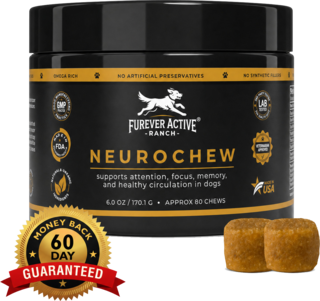
Support your dog's brain health with NeuroChew
NeuroChew is our daily soft chew for dogs, made fresh in the USA. See the ingredients and how it fits into a healthy daily routine.
Learn more about NeuroChew