Dog Brain Health
What Your Dog's Eyes Are Telling You


When you and your dog hold eye contact, oxytocin rises in both of you, and in some owners levels spiked by as much as 300 percent in published research. A gaze that gets shorter or less frequent over time is worth noticing, because focus and engagement depend on healthy communication between brain cells.
Key Takeaways
- Dogs are the only non human species that naturally seek eye contact with people.
- Mutual gazing raises oxytocin, the hormone tied to trust and attachment.
- A shorter or less frequent gaze can be an early signal of change in your dog.
- Phosphatidylserine is a building block of brain cell membranes.
- In a beagle study, memory improvements continued for weeks after supplementation stopped.
In this article
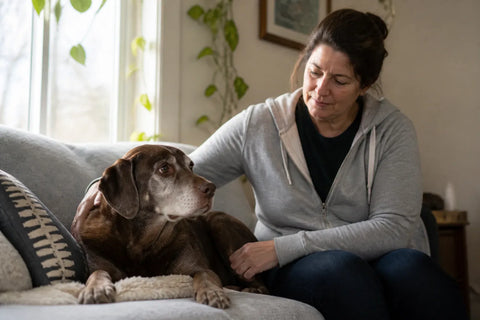
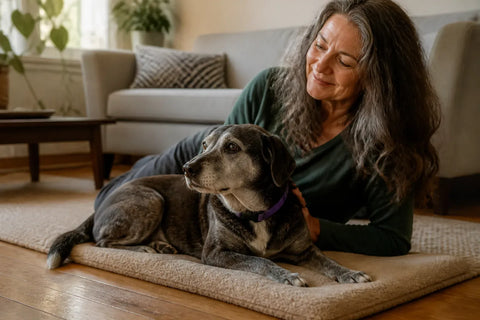
There is a moment that happens between you and your dog that most people never think twice about. You are on the couch. They walk over. They look up at you. And for a few seconds, neither of you looks away.
The moment most people never think twice about
A study published in Science found that when dogs and their owners gaze at each other, something remarkable happens inside both of their bodies. Oxytocin floods the system. In some owners, levels spiked by as much as 300 percent.
Oxytocin is the biological foundation of trust, attachment, and love, which the Cleveland Clinic says may support a reduction in stress, anxiety, and blood pressure. And your dog triggers it in you just by looking at you.
Why the gaze matters
Dogs are the only non human species that naturally seek eye contact with humans. That gaze is not only about bonding. It is also a window into what is happening inside their brain.
Dogs who are mentally engaged tend to hold eye contact more often, pick up on shifts in your expressions, and even seem to know what you are feeling before you say a word. When that connection starts to get shorter or less frequent, that is worth noticing.
Your dog's ability to focus, connect, and engage with you depends on billions of brain cells passing signals to each other.
The nutrient behind the connection
Phosphatidylserine is a phospholipid, one of the key building blocks of brain cell membranes. Think of it as the material that keeps the walls of each brain cell strong and flexible, so signals can pass through the way they should.
A study on beagles found that dogs given a supplement containing phosphatidylserine showed improvements in short term memory performance. The benefits continued for weeks even after supplementation stopped, suggesting the nutrient was supporting the brain cells themselves, not just masking a symptom.
This is one of the key reasons we put phosphatidylserine in NeuroChew.
A ritual that costs nothing
Sit with your dog. Put the phone down. Look at them. Let them look back. Hold that gaze for 15 to 30 seconds.
You will feel it. That warmth. That connection.
That moment supports well being in both of you. The oxytocin released during that gaze nourishes the bond from both sides. Make it a daily ritual. It is one of the simplest and most powerful things you can do for you and your best friend.
★★★★★
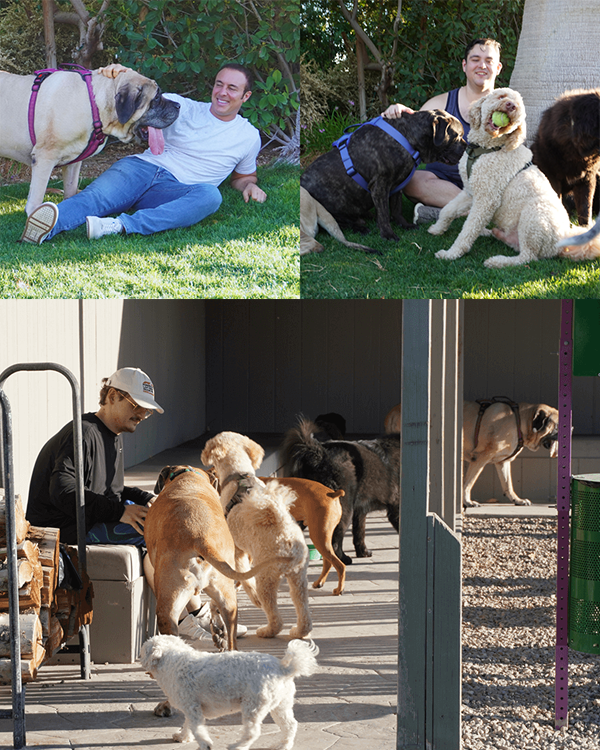
“Thanks to NeuroChew, Hagrid is eager to be part of our family activities. He is right in the middle of everything we do!”
Hagrid, Tibetan Mastiff. Individual results vary.
>>> https://FureverActive.com/pages/neurochew-longevity
If you are already giving your dog NeuroChew, you are providing nutritional building blocks that support healthy brain cell membranes. That daily chew matters more than you think. Keep it going.
Every NeuroChew purchase helps support dog rescue organizations across the country. You are not just helping your dog. You are helping all of them.
Frequently asked questions
Why does my dog stare at me?
Dogs seek eye contact with people naturally, which no other non human species does. It is part bonding, part communication, and it raises oxytocin in both of you.
Is staring at a dog bad?
Hard staring at an unfamiliar dog can read as a threat. Soft, relaxed eye contact with your own dog is the opposite and is what raises oxytocin.
What does it mean if my dog stops making eye contact?
It can mean discomfort, vision change, or reduced engagement. A gaze that shortens over months is worth mentioning to your veterinarian.
What is phosphatidylserine?
A phospholipid that forms part of brain cell membranes. It keeps the cell wall flexible so signals pass between cells the way they should.
How long until a brain supplement makes a difference?
In the beagle research, improvements in short term memory showed during supplementation and continued for weeks afterward. Every dog is different, and results vary.
Share this article
Email this articleGet practical dog wellness tips by email
Occasional, useful guidance on keeping your dog healthy and happy. Unsubscribe anytime.
No spam. We respect your inbox.
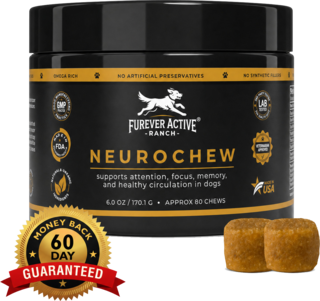
Support your dog's brain health with NeuroChew
NeuroChew is our daily soft chew for dogs, made fresh in the USA. See the ingredients and how it fits into a healthy daily routine.
Learn more about NeuroChew