Senior Dog Care
Your Gentle Guide to the Best Diet for Older Dogs


Finding the right food for your older dog isn't about a fancy brand name. It's about finding a recipe that truly supports their changing body—one with high-quality, easily digestible proteins, the right amount of calories, and nutrients that gently support their joint and brain health. We understand this journey is all about providing comfort and celebrating more good days together.
Understanding Your Senior Dog's Changing Needs
Maybe their trot is a little less peppy, or they're enjoying more naps in the sun. It's completely normal, and it’s a sign that their needs are shifting. You're not just looking for a bag of dog food; you're looking for a way to give your best friend more comfortable, happy days. This part of your journey together is all about noticing those subtle changes and responding with thoughtful care.
The move into their golden years brings some significant shifts happening under the surface. It’s not just that they’re getting older; their body is working differently now. An older dog doesn't just need less food—they need a different kind of nutrition to help them stay healthy and feel their best.
What's Happening on the Inside
As your dog gets older, a few key things start to change. Getting a handle on these shifts is the first step to giving them the right kind of support.
- Slowing Metabolism: Just like with people, a senior dog’s metabolism starts to pump the brakes. They don't burn calories as quickly as they used to, so their old diet can easily lead to weight gain. That extra weight can put a lot of unnecessary strain on their aging joints.
- Joint and Muscle Health: Aging naturally takes a toll on cartilage and muscle tone. Keeping them lean and strong is a top priority, and that requires high-quality protein that's easy for their body to absorb and use.
- Cognitive Function: Have you noticed small moments of confusion, like when your dog gets "stuck" in a corner or seems to forget a familiar route? Supporting their brain with the right nutrients can help maintain their mental clarity. You can learn more about these common signs in our guide to aging dog behavior changes.
These internal changes are a natural part of life. By understanding what’s going on, you can make powerful, informed choices that directly impact their well-being.
"The goal isn't to turn back the clock. It's to understand what 'senior' really means for their diet so you can provide the best possible support for this chapter of their life, focusing on comfort, mobility, and more good days together."
Key Nutritional Shifts for Senior Dogs at a Glance
Navigating your dog's dietary needs as they age can feel overwhelming. This table breaks down the most important adjustments into simple, actionable goals.
| Nutritional Focus | Why It Matters for Your Older Dog | Simple Goal |
|---|---|---|
| High-Quality Protein | Helps maintain muscle mass, which is crucial for mobility and strength as their metabolism slows. | Look for recipes with named meat sources (like chicken or fish) listed first. |
| Controlled Calories | Helps manage weight to reduce stress on aging joints, the heart, and other organs. | Choose a "senior" or "healthy weight" formula with a lower fat content. |
| Joint Support | Ingredients like glucosamine and chondroitin help cushion joints and support age-related stiffness. | Find foods fortified with these ingredients or consider a supplement. |
| Digestive Health | A senior dog's digestive system can become more sensitive. Fiber and prebiotics aid nutrient absorption. | Seek out formulas with fiber (like pumpkin) and prebiotics. |
These four pillars are the foundation of a great senior diet, helping you make confident choices for your loyal companion.
You're certainly not alone in this. The growing awareness around senior pet care is changing the entire pet food industry. In fact, the global senior dog food market is booming, as more owners recognize that up to 40% of pets are now considered senior. This isn't just a trend; it's a wonderful sign of how dedicated we've become to giving our pets the specialized care they deserve.
Feeling confident starts with understanding what's happening beneath the surface. Now that we've covered the "why," we can dive into the "what"—the specific nutrients that make all the difference.
Essential Nutrients for Your Aging Companion
Staring at a dog food label can feel like you’re trying to decipher a secret code. We get it. It’s easy to feel lost in a sea of ingredients and percentages, but you don’t need a degree in animal nutrition to pick the right food for your old friend.
Think of this as your practical, no-nonsense guide to what really matters in their food bowl. Our goal is to help you scan that label with confidence, knowing exactly what to look for. Let’s break down the key nutrients that will help your senior dog thrive, turning confusing jargon into simple, actionable knowledge.
Why High-Quality Protein Matters More Than Ever
Imagine your dog's body is a house. Protein is the bricks. As they get older, that house naturally starts to need more upkeep to stay strong. That's why high-quality, easily digestible protein is so crucial—it’s what maintains the muscle mass they need to get up, walk around, and enjoy life.
For years, the conventional wisdom was to cut back on protein for senior dogs. We now know that’s completely backward. An older dog's body actually becomes less efficient at processing protein, which means they often need more of it just to prevent muscle loss.
It's a huge shift in how we approach senior care. Research shows that older dogs undergo metabolic changes that alter their nutritional needs. They might need 20% to 30% more dietary protein just to hold onto their muscle, even as their overall calorie needs drop by about 20%. This is why a protein-rich diet is a cornerstone of senior dog health. You can dig into the science behind this in this comprehensive research on senior dog metabolism.
The Role of Beneficial Fats
Not all fats are bad; in fact, for a senior dog, the right kind can be a game-changer for their comfort and mental sharpness. We’re talking about beneficial fats like omega-3 fatty acids (specifically EPA and DHA), which are abundant in sources like fish oil.
These healthy fats are the quiet multitaskers in your dog's diet, supporting several key systems at once.
- Joint Comfort: Omega-3s have natural properties that can help soothe stiff, achy joints, making those morning walks a little more comfortable.
- Brain Health: Just like for us, these fats are fundamental building blocks for brain tissue. A steady supply helps support cognitive function, keeping your dog alert and engaged.
- Skin and Coat: A dull, flaky coat is often one of the first visible signs of aging. Omega-3s help reinforce the skin’s natural moisture barrier, leading to a softer, healthier-looking coat.
If you want to learn more about adding a targeted boost of these fats, our guide on Alaskan salmon oil for dogs is a great place to start.
The infographic below shows how a senior dog's core needs—metabolism, joint health, and brain function—are all connected.

As you can see, a thoughtful diet doesn't just target one issue; it builds a strong foundation for their total well-being.
The Importance of Fiber and Antioxidants
Finally, let’s talk about two unsung heroes in your senior dog’s diet: fiber and antioxidants. They don’t always get the spotlight like protein does, but they’re incredibly important for your dog’s daily comfort and long-term health.
Gentle Fiber from sources like pumpkin, sweet potatoes, or beet pulp is fantastic for keeping their digestive system running smoothly. An older dog’s gut can become more sensitive, and the right fiber helps ensure regular digestion and better nutrient absorption.
Antioxidants, found in colorful ingredients like blueberries, spinach, and carrots, act like a cellular clean-up crew. They help neutralize free radicals that contribute to the aging process, supporting a resilient immune system and overall vitality.
By focusing on these core nutrients—protein for strength, fats for comfort and clarity, and fiber and antioxidants for daily support—you are building a powerful nutritional foundation for your dog's golden years. Every small choice matters on this journey together.
How to Choose the Right Senior Dog Food

Walking down the pet food aisle can be a dizzying experience. Every bag seems to promise the secret to a long, happy life for your graying friend, and the pressure to choose the "perfect" one is real. We understand you just want what's best for them in their golden years.
The truth is, there’s no single "best" food that fits every senior dog. The real goal is finding the best diet for your dog's specific needs. Let's walk through how to read labels, understand what actually matters, and make a choice you can feel great about.
What Does a Senior Label Really Mean?
Here’s something that surprises most dog owners: there's no official, regulated definition for "senior" dog food. The Association of American Feed Control Officials (AAFCO), the organization that sets nutritional standards, doesn't actually have a separate profile for aging dogs.
This means any bag labeled "senior" simply has to meet the minimum requirements for an adult dog.
Because of this, there are huge inconsistencies between brands. One study found that calories in senior dog foods can range anywhere from 246 to 408 per cup! That's a massive difference that could easily lead to unwanted weight gain or loss. This is why learning to read the label for yourself is so powerful.
This doesn't mean senior formulas are a gimmick—many are fantastic and thoughtfully formulated. It just means you are your dog’s best and most important health advocate.
Reading the Ingredient List with Confidence
Think of the ingredient list on a dog food bag as your roadmap. It's organized by weight, meaning the first few ingredients make up the bulk of what's inside. Here’s a simple way to decode it.
-
Look for Named Protein Sources: The star of the show should be a high-quality, easily digestible protein. You want to see specific sources like "deboned chicken," "lamb meal," or "salmon" right at the top. These are far better than vague terms like "meat by-products."
-
Identify Healthy Fats and Carbs: Good fats provide crucial energy and support skin and coat health. Look for sources like chicken fat or salmon oil. For carbs, whole ingredients like sweet potatoes, brown rice, and peas offer sustained energy and fiber.
-
Note the Beneficial Additives: Many top-tier senior foods include extras to support common age-related issues. Seeing ingredients like glucosamine, chondroitin sulfate (for joint support), and omega-3 fatty acids (like DHA for brain health) is a fantastic sign.
Thoughtful food choices are a cornerstone of proactive care. It’s part of a bigger picture that can have a meaningful impact, a topic we explore more in our guide on how to make your dog live longer.
Your goal is progress, not perfection. Finding a food with a strong protein source and supportive ingredients is a huge win for your dog’s daily comfort and long-term well-being.
Senior Dog Food Label Checklist
When you're in the store comparing bags, it's easy to get lost in the details. Use this simple checklist as a quick reference guide to keep you focused on what really matters for your aging companion.
| Component | What to Look For (The Good Stuff) | What to Approach with Caution |
|---|---|---|
| Protein Source | Named meats like "chicken," "beef," or "fish meal" listed as the first or second ingredient. | Vague terms like "meat and bone meal" or "by-products." |
| Fat Content | Moderate levels (around 10-14%) to manage calories. Named sources like "chicken fat." | Excessively high fat content, unless your dog is underweight. |
| Sodium & Phosphorus | Lower, controlled levels to support kidney and heart health in their later years. | High levels, especially if your dog has known health issues. |
| Beneficial Additives | Glucosamine, chondroitin, omega-3 fatty acids (EPA/DHA), and antioxidants (from fruits/veggies). | Artificial colors, flavors, or chemical preservatives. |
Ultimately, choosing the right food is a profound act of love. By arming yourself with this knowledge, you can cut through the marketing noise and confidently pick a diet that helps your best friend feel their best, inside and out.
Supporting Health with Senior Dog Supplements
You've done the hard work of picking out a fantastic, high-quality food for your senior pup. That’s a massive win. But sometimes, even the best diet needs a little backup, a bit of targeted support to help them feel their best. Think of supplements less as a fix and more as a helping hand to keep them comfortable and sharp.
It’s all about adding gentle support where it’s needed most. As our dogs get older, a little boost can make a world of difference, helping them navigate their golden years with more comfort and less confusion. Supplements are simply concentrated nutrients aimed at supporting common age-related challenges.
Key Supplements for Senior Comfort and Clarity
Walking into the supplement aisle can feel just as overwhelming as the dog food aisle, right? Let's cut through the noise and focus on a few key players that are well-known for providing gentle, effective support. These aren't magic pills; they're natural aids that help your dog's body stay resilient.
-
Glucosamine and Chondroitin for Joint Support: Picture these as the natural cushions in your dog's joints. After years of running, jumping, and playing, that cartilage can start to wear thin. Glucosamine and chondroitin are building blocks that help support that cartilage structure, which can make a real difference in their comfort and mobility on your daily walks.
-
Omega-3 Fatty Acids for Brain and Skin: These healthy fats, especially EPA and DHA found in fish oil, are incredible multitaskers. They're fantastic for supporting cognitive function, helping keep your old friend mentally sharp. Plus, they nourish the skin and coat from the inside out—a huge bonus for seniors who often struggle with dry, flaky skin.
-
Probiotics for Digestive Health: An older dog's digestive system isn't always what it used to be and can get a bit sensitive. Probiotics are the "good bugs" that help maintain a healthy gut balance. This is crucial for making sure they absorb all the nutrients from their food and for supporting their immune system. A happy gut really does contribute to their overall well-being.
"Supplements are all about creating 'more good days.' The small wins—like seeing your dog get up from their bed a little easier or seem more engaged with the family—are what we're celebrating on this journey."
If you want to get into the nitty-gritty of how these ingredients work, our guide to supplements for older dogs offers a much deeper look to help you feel totally confident in your choices.
A Supportive, Not Curative, Approach
It's really important to go into this with the right mindset. The goal here is to support and maintain, not to treat or reverse the natural process of aging. These ingredients work gently with your dog’s body to promote a better quality of life.
Every dog is an individual, and every dog's journey is unique. Some people see noticeable improvements in mobility or alertness within a few weeks. For others, the progress is much more subtle and gradual. The key is to be consistent and patient.
Always Partner with Your Veterinarian
Before starting any new supplement, the first and most important step is talking to your vet. They have the full picture of your dog's health history and are your best resource for making safe, effective choices.
Your vet is your partner in this, and they can:
- Confirm the Need: They'll help you figure out if a supplement is actually necessary and which one would be the most helpful for your dog's specific situation.
- Ensure Safety: This is critical. Your vet will make sure a new supplement won’t cause problems with any medications your dog is already taking or with any underlying health conditions.
- Recommend a Serving Size: They can give you precise guidance on the right amount to give based on your dog's size, breed, and individual needs.
Think of this conversation not as a roadblock, but as a crucial part of the team effort to care for your best friend. By combining a thoughtful diet, targeted supplements, and professional veterinary advice, you’re creating a circle of support that truly honors all the years of love they’ve given you.
Mealtime Tips for Your Older Dog

It’s a quiet worry, isn't it? Watching your lifelong dinner buddy suddenly turn their nose up at a meal they once devoured. If this is happening, please know you're not alone. A shifting appetite is a common part of aging for our dogs, but it doesn’t have to be a daily stress.
Often, the fix is found in small, gentle tweaks to how you feed them. It's about more than just what's in the bowl; the whole experience matters. Our goal here is to make mealtime a comfortable, positive moment again for both of you.
Making Meals More Appealing
As a dog's senses of smell and taste begin to fade, their food can seem pretty bland. But a few simple tricks can spark their interest and get them excited about eating again.
-
Warm It Up: A few seconds in the microwave can work wonders. Gently warming their food releases its aroma, making it far more tempting. You can also stir in a little warm water or low-sodium bone broth to achieve the same effect while adding a splash of hydration.
-
Soften the Kibble: Dental issues and missing teeth are common in our old friends. If crunchy kibble seems tough for them to handle, just add some water and let it sit for a few minutes. This creates a much softer, easier-to-chew mash.
-
Add a Flavorful Topper: Think of it as a little garnish. A spoonful of plain canned pumpkin (not the pie filling!), a dollop of plain yogurt, or a sprinkle of shredded boiled chicken can turn their regular food into a five-star meal.
Sometimes, a lagging appetite is a sign your dog is having trouble keeping weight on. If you're concerned about this, our guide on what to feed a dog to gain weight offers practical, gentle advice to help them.
Creating a Comfortable Dining Experience
Every so often, the problem isn't the food at all—it's the physical act of eating. Age-related stiffness in the neck and joints can make bending down to a bowl on the floor a painful task.
Small improvements matter deeply. Turning mealtime from a struggle back into a happy routine is a victory worth celebrating, bringing comfort and stability to their day.
Take a look at their dining setup. An uncomfortable dog is far less likely to have a healthy appetite.
A simple switch to elevated food bowls can be a total game-changer. By raising the bowl to a more natural height, you take the strain off their neck and shoulders. It's an easy adjustment that can make a world of difference, especially for dogs with arthritis or other mobility challenges.
Another great strategy is to adjust meal frequency. As a dog's digestive system slows, one or two big meals can be overwhelming. Breaking their daily portion into three or four smaller meals is much gentler on their gut and helps prevent that post-meal sluggishness. It also helps keep their energy levels more consistent throughout the day.
Patience and Observation Are Key
The journey with your senior dog is a partnership, and you know them best. Pay close attention to what works. One dog might respond instantly to warmed-up food, while another might do better with smaller, more frequent meals. Every dog is different, and that's perfectly okay.
The best approach is one that's not only nutritionally sound but also delivered with love, patience, and a deep understanding of their changing needs. Your thoughtful adjustments can transform mealtimes, reinforcing the incredible bond you share and supporting their health for many more good days to come.
Common Questions About Senior Dog Diets
Navigating your dog's senior years can bring up a lot of questions. That’s completely normal. You're trying to do the best for your old friend, and it's easy to feel a little uncertain.
We get it. That’s why we’ve put together answers to some of the most common concerns we hear from pet parents. Think of this as a conversation to help you feel more confident as you care for your aging companion.
When Should I Switch My Dog to a Senior Food?
There’s no magic number on a birthday cake that signals the big switch. It really comes down to your individual dog. For bigger breeds like Labs or Shepherds, vets often start this conversation around age seven. For smaller pups, it might not be until they're nine or even eleven.
The best clues come from your dog, not the calendar. Is your companion still at a healthy weight? Do they have good energy and seem to love their current food? If so, there's probably no rush to change things.
Your first step should always be a chat with your veterinarian. They can properly assess your dog’s body condition and help you decide if a food with different calorie and nutrient levels would be a smart move.
What Should I Do If My Older Dog Is Losing Weight?
It’s incredibly unsettling to see your best friend getting thinner. Before you do anything else, a visit to the vet is a must. You need to rule out any underlying health problems first—it's the only way to get peace of mind and know what you're truly dealing with.
If they get a clean bill of health, the weight loss might be as simple as a fading appetite or trouble chewing. You can make their food more enticing by adding a splash of warm water or low-sodium broth. That little bit of warmth releases the aroma and can make a world of difference.
Sometimes, all it takes is a switch to a more calorie-dense senior formula designed to be extra tasty. Dental pain is another common culprit, so a thorough tooth check-up is also a great idea. The goal is to work with your vet to create a gentle plan that helps them get back to a stable, healthy weight.
Is Grain-Free Food Good for My Senior Dog?
The whole grain-free debate can feel pretty overwhelming. We understand why you'd ask. The truth is, genuine grain allergies in dogs are quite rare.
Most of the recent concern stems from an ongoing investigation into a potential link between certain grain-free diets (especially those heavy in peas, lentils, and other legumes) and a heart condition called dilated cardiomyopathy (DCM).
For a senior dog without a specific, diagnosed grain allergy, there’s often no real benefit to going grain-free. In fact, a high-quality food with healthy whole grains provides excellent fiber and key nutrients they need.
This is the perfect example of a topic to discuss with your veterinarian. Together, you can weigh the options and choose a food that safely supports your dog’s heart health and overall well-being, which is what matters most.
How Can I Help My Overweight Senior Dog Lose Weight Safely?
Helping your senior dog slim down is one of the kindest things you can do for their comfort, especially when it comes to aching joints. The key is to take a slow, steady, and gentle approach.
Start by working with your vet to create a tailored weight management plan. This will probably involve moving to a food made specifically for weight control. These formulas are typically lower in calories but higher in fiber, which is great for helping your dog feel full and satisfied.
And don't forget about treats—they add up fast! Swap them out for low-calorie options like fresh green beans or small pieces of carrot. Gentle, regular exercise, like a calm daily walk, is also a huge part of the puzzle. Every single pound lost can make a massive difference in their quality of life, leading to more good days together. It’s a journey of small steps that have a big impact.
At Furever Active, we believe that supporting your senior dog's health is a journey of love and partnership. Our mission is to provide gentle, effective nutritional support for their brain health, helping maintain the clarity and comfort they deserve in their golden years.
If you’re looking for a way to support your dog’s cognitive function, explore how NeuroChew™ can become a part of your daily routine for more good days together. Learn more about how we can help.
Get practical dog wellness tips by email
Occasional, useful guidance on keeping your dog healthy and happy. Unsubscribe anytime.
No spam. We respect your inbox.
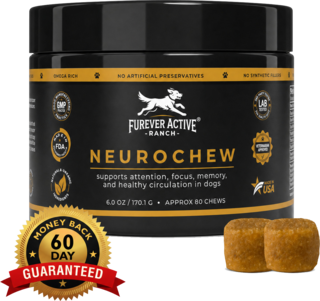
Support your dog's brain health with NeuroChew
NeuroChew is our daily soft chew for dogs, made fresh in the USA. See the ingredients and how it fits into a healthy daily routine.
Learn more about NeuroChew