Senior Dog Care
What to Give My Dog for Allergies: Your Guide to Finding Comfort Together


That constant scratching. The endless paw licking. The sad, uncomfortable look in their eyes. We understand. If you're a dog parent navigating allergies, this scene is all too familiar.
When you're wondering what to give your dog for allergies, the first and most important thing to know is that relief usually isn't a single magic bullet. It’s a journey, and you're not alone on this path. Finding what works often means exploring a combination of veterinary guidance, key dietary changes, natural supplements, and simple tweaks to their environment.
Decoding Your Dog's Itch: A Gentle Start
Watching your best friend struggle with discomfort is heartbreaking. It can feel incredibly isolating, especially during those late-night scratching sessions. But so many pet parents are navigating this right alongside you.
Canine allergies have become a major health issue for our furry companions. The numbers are staggering—in the United States, nearly 9 in 10 dogs are now reported to have some form of skin allergy or irritation. That's a massive increase from just a few decades ago, showing just how common this has become.
Understanding the Signs
Before you can find the right solution, you need to learn how to read the signals your dog is sending. These aren't just random behaviors; they're clues. They're your dog’s way of telling you something isn't right.
Keep an eye out for these common signs of allergies:
- Constant scratching or licking: This often focuses on specific areas like the paws, belly, or ears.
- Red, inflamed skin: You might see angry-looking "hot spots" or a more widespread rash.
- Frequent ear infections: Is your dog shaking their head a lot? Do you notice a funky, yeasty smell from their ears?
- Watery eyes or sneezing: While less common than skin problems, these can also point to an allergic reaction.
Sometimes, these symptoms can get tangled up with other issues. For instance, if your dog is scratching nonstop but also seems unusually confused or distressed, it’s smart to consider all possibilities. Our guide on why your dog might be acting weird can help you sort through other potential causes.
The goal isn't to chase a single miracle cure. It's about building a supportive plan that brings more comfortable, peaceful days. Every small improvement, like a night without scratching, is a huge win worth celebrating.
This guide is here to walk you through it, step-by-step. We'll translate the science into simple, practical actions you can take to bring your dog some much-needed comfort.
Partnering With Your Veterinarian for Clarity
Before you begin to wonder what to give your dog for allergies, the most important step is to talk to your vet. We know it's tempting to rush for a quick fix when you see your dog miserable, but self-diagnosing can lead you down the wrong path. Only a professional can help you get to the root of the problem. Your vet is your best ally on this journey.
Think of your vet as a health detective for your dog. They have the training and tools to see past the scratching to figure out what’s really causing the issue. A thorough physical exam and a detailed chat about your dog's history, diet, and environment give them the first clues. This initial consultation is the cornerstone of building a long-term wellness plan. For more on this, our guide on preventive health care for dogs is a great resource.
Identifying the Root Cause
To narrow down the suspects, your veterinarian will likely recommend a few specific tests. These are designed to pinpoint the exact trigger behind your dog's allergic reaction.
- Skin Tests: If environmental allergies are the prime suspect, an intradermal skin test is often the way to go. It’s considered the gold standard for identifying specific culprits like pollen, dust mites, or mold.
- Blood Tests: Another option for environmental triggers, blood tests look for specific antibodies your dog’s immune system creates in response to certain allergens.
- Elimination Diets: When a food allergy seems likely, your vet will walk you through a strict elimination diet. This process involves carefully removing potential trigger ingredients and then reintroducing them one by one to see what causes a reaction.
This diagram helps break down the two main sources of allergic reactions.

As you can see, the itch usually comes from one of two places: something in their environment (like grass or pollen) or something in their food bowl.
Common Veterinary Solutions Explained
Once the cause has been identified, your vet can craft a management plan. The goal isn't just to stop the itching for a day or two—it's about managing the condition for lasting comfort. And it's a huge issue; allergies affect 10% to 20% of dogs and cats worldwide, which has thankfully spurred a lot of research into better, safer options.
Here are a few common options your vet might discuss with you:
- Antihistamines: These can offer mild relief for some dogs, but every dog responds differently.
- Corticosteroids: Drugs like prednisone are powerful and work fast to reduce inflammation, but they come with potential side effects, so they're typically used for short-term support to get a bad flare-up under control.
- Targeted Medications: Newer drugs are much more precise. Options like Apoquel (a daily pill) or Cytopoint (an injection) work by blocking the specific signals that tell the brain to "itch," providing relief with fewer side effects than steroids.
Your veterinarian wants to find a solution that not only helps your dog feel better but also supports their long-term health. Having an open conversation about all the possibilities helps you make an informed decision you can feel good about.
Nourishing Comfort From The Inside Out
The link between what your dog eats and how their skin feels is incredibly strong. When you're dealing with a constantly itchy dog, their diet can either fuel the fire or become a powerful tool for soothing them from the inside out.
It all starts with figuring out potential food sensitivities. While it sounds complicated, the core idea is simple. Sometimes, common ingredients—often proteins like chicken or beef—can cause a dog’s immune system to overreact, and that overreaction often shows up as angry, itchy skin.
The Gentle Path of an Elimination Diet
So, how do you find the culprit? An elimination diet is one of the most reliable ways, and it's something you should always tackle with your vet's guidance.
The process involves switching your dog to a special diet with a single "novel" protein and carbohydrate source—ingredients they’ve likely never eaten before. You stick with this simplified diet for several weeks to let their system calm down.
If you see a real improvement in their itching, that’s a huge clue that something in their old food was the source of the irritation. From there, your vet will help you reintroduce old ingredients one by one. It’s a bit of a detective game that requires patience, but the payoff is pinpointing the exact trigger and achieving long-term comfort.
Building a Strong Skin Barrier Through Nutrition
Beyond just avoiding triggers, you can actively support your dog's skin by feeding them the right nutrients. A healthy skin barrier works like a well-built fortress, keeping allergens out and locking moisture in. Certain nutrients are the building blocks that make that fortress strong.
You are what you eat, and the same is absolutely true for your dog’s skin. The right diet provides the raw materials for a resilient coat and less reactive skin.
"True comfort for an allergic dog often begins in their food bowl. By nourishing their skin from the inside, we're not just managing symptoms—we're helping to build a stronger foundation for their overall well-being."
Here are a few key ingredients known to support skin health:
-
Omega-3 Fatty Acids: Think of these essential fats, usually from fish oil, as an internal moisturizer. They help maintain the skin's natural oil barrier, which soothes dryness and supports a healthy inflammatory response.
-
Probiotics: A healthy gut and a healthy immune system are deeply connected. Probiotics help balance the good bacteria in your dog's digestive tract, which in turn helps their immune system react more appropriately to potential allergens.
-
Antioxidants: Vitamins C and E are fantastic antioxidants. They act like bodyguards for skin cells, protecting them from damage caused by environmental stress.
Incorporating these into your dog’s diet can be a game-changer. Looking for specific ingredients in their food or adding a targeted supplement can provide that extra layer of support they need.
Key Dietary Ingredients for Allergy Support
Choosing the right food or supplement can feel overwhelming. This table breaks down some of the most effective ingredients to look for and explains what they do in simple terms.
| Ingredient | How It Helps in Simple Terms | Common Sources |
|---|---|---|
| Omega-3 Fatty Acids | Acts as an internal skin moisturizer to calm irritation. | Fish oil (salmon, krill), flaxseed |
| Probiotics | Balances gut bacteria to help the immune system not overreact. | Yogurt (plain), kefir, fortified dog foods |
| Quercetin | A natural antioxidant that helps calm the body's allergy response. | Apples (no seeds), broccoli, berries |
| Vitamin E | An antioxidant that protects skin cells from damage. | Sunflower oil, spinach, sweet potatoes |
| Zinc | An essential mineral for skin healing and cell repair. | Meat (beef, lamb), pumpkin seeds |
Paying close attention to these ingredients can make a real difference in your dog's daily comfort. For a deeper look at how supplements can transform your dog's skin, check out our guide to the best skin and coat supplements for dogs. Remember, dietary changes are a journey, not a race, but nourishing your dog with supportive ingredients is one of the best ways to show you care.
Gentle Supplements for Natural Allergy Support
When your dog is uncomfortable, you start looking everywhere for answers. It's only natural to explore supplements as part of that journey. While your vet's prescribed medications are essential for managing major flare-ups, certain supplements can be fantastic for day-to-day supportive care, helping to maintain your dog's comfort.

This isn't about finding a single solution. It's about the small wins—a little less scratching after a trip to the park, or a night without constant licking. Think of these supplements as natural allies that work quietly in the background, helping to maintain a normal response to everyday allergens.
Key Supplements for Skin and Comfort
As you start researching what to give your dog for allergies, you'll see a few names pop up again and again for their gentle but effective properties. Each one works a bit differently to help soothe inflammation and support that all-important skin barrier.
Here are a few of the most promising ones to ask your vet about:
- Quercetin: You'll often hear this called "nature's antihistamine." It’s a natural compound found in things like apples and berries that helps calm the mast cells responsible for releasing histamine—the very thing that kicks off all that itching and sneezing.
- Bromelain: This enzyme, which comes from pineapple, is quercetin's best friend. It helps the body absorb quercetin more effectively and adds its own anti-inflammatory support to the mix.
- Omega-3 Fatty Acids: These are the superstars of skin health. Acting like an internal moisturizer, they help support your dog's skin from the inside out, making it a stronger, more resilient barrier against environmental irritants.
Diving deeper into the specific benefits of fish oil for dogs with allergies can really open your eyes to how much this one simple addition can help.
The Importance of Quality and Safety
Before you start adding supplements to your cart, it's critical to know that not all products are made the same. The supplement industry for pets isn't regulated with the same rigor as pharmaceuticals, so choosing a brand you can trust is absolutely essential for your dog's safety and the product's effectiveness.
Look for companies that are open about where they get their ingredients and how their products are made. The best brands will voluntarily have their products tested by third-party labs to prove they are pure and potent, ensuring you're not giving your dog something contaminated with pesticides or heavy metals.
We understand wanting to give your dog the most natural relief you can find. It’s all about layering in gentle, supportive elements that help them have more good days and fewer itchy ones.
And of course, always talk to your vet before starting anything new. They know your dog's full health picture and can recommend the right product and dose, making sure it won't clash with any other medications. This partnership is the key to providing care that's not just supportive, but also safe.
Creating a Calm and Soothing Home Environment
While figuring out what to give your dog for allergies is a huge part of the puzzle, the environment they live in is just as critical for their daily comfort. Think of your home as a sanctuary—a place where their irritated skin can finally get a break from the outside world. You'd be surprised how much comfort these small, consistent actions can bring.

This part of the strategy is all about reducing the number of allergens your dog is exposed to in the first place. It’s about building an environment that actively supports healing instead of one that triggers another miserable bout of scratching.
Reducing Allergens in Your Home
Simple household routines can make a world of difference. When you physically remove irritants like dust, pollen, and dander, you lower your dog’s overall "allergen load." This gives their overactive immune system a much-needed chance to calm down.
Here are a few practical steps you can start with today:
- Frequent Washing: Toss your dog’s bedding, blankets, and even their favorite soft toys into the wash at least once a week using hot water. This is a game-changer for getting rid of dust mites and pollen they've tracked inside.
- Regular Vacuuming: Make sure your vacuum has a HEPA filter. This is key because it traps those microscopic allergen particles instead of just spitting them back out into the air. Don't forget to hit the carpets and upholstered furniture where allergens love to settle.
- Invest in an Air Purifier: A high-quality air purifier with a HEPA filter, placed in the room where your dog sleeps, can dramatically cut down on airborne allergens. It helps ensure the air they breathe for hours at a time is as clean as possible.
Your home should be a safe haven for your dog. By managing their environment, you're not just cleaning—you're actively creating a space that promotes comfort and reduces the constant irritation that allergies bring.
Soothing Your Dog's Skin Directly
Beyond just cleaning your home, you can offer direct, soothing relief for your dog's itchy, inflamed skin. One of the most effective ways to do this is with regular bathing, which literally washes allergens right off their coat and skin.
A gentle, hypoallergenic, or oatmeal-based shampoo is perfect for calming inflammation and providing that "ahhh" moment of relief. Think of it as hitting the reset button on their skin after a walk through the park.
For those particularly difficult hot spots, a cool compress can sometimes help, but it's crucial to talk to your vet before applying anything topically. While some natural remedies are great, others can do more harm than good. Our guide exploring the uses of apple cider vinegar for dogs dives into this topic in much more detail.
Every dog's journey with allergies is different. By combining these environmental adjustments with the right diet and veterinary care, you create a solid foundation for more peaceful, comfortable days together.
Your Journey to More Good Days Together
Let's be honest: finding what helps your dog's allergies can feel like a long, winding road. It’s a journey often marked by late-night internet searches and that sinking feeling you get watching your best friend itch. But you're not walking this path alone, and every bit of effort you put in is a testament to the love you have for them.
Think of it less like a single destination and more like building a strong foundation, piece by piece. It all starts with a solid partnership with your vet to get real clarity on the problem. Then, you build on that by nourishing your dog from the inside out with the right diet, adding gentle supplements, and making your home a low-allergen sanctuary. You're already doing an amazing job just by being here and learning.
We measure success not in finding an instant solution, but in the small victories—a peaceful night's sleep, a playful afternoon without constant scratching, and those quiet moments of pure, comfortable connection.
Don't forget to celebrate the progress, no matter how small it might feel. The goal has always been simple: more good days together. You aren't just managing a condition; you're honoring the incredible bond you share by standing by them through a tough time. Your dog gave you their best years, and you're giving them yours right back.
Your Top Dog Allergy Questions, Answered
When you're dealing with your dog's allergies, a lot of questions pop up. It's completely normal. Let's walk through some of the most common ones we hear from dog owners just like you.
"Can I Just Give My Dog Benadryl?"
It’s tempting to reach for a quick fix like Benadryl, but this is a classic "ask your vet first" situation. While vets do sometimes recommend it, getting the dosage wrong can be risky, and it’s not the right solution for every dog or every allergic reaction.
Your veterinarian needs to weigh in. They’ll give you a safe dosage based on your dog’s specific weight and health profile, and they'll tell you if there’s a better, more effective option out there for what your pup is experiencing.
"How Long Until a New Diet Actually Starts Working?"
Switching up your dog’s food is a marathon, not a sprint. When you start an elimination diet or add new supplements, you need to be patient. It often takes a solid 8 to 12 weeks before you’ll see any real, lasting improvement in their skin and itching.
It's tough to wait when your dog is uncomfortable, we get it. Try to track the small victories—maybe a little less scratching this week than last. Focusing on slow, steady progress makes the process feel much more manageable.
"Are Grain-Free Diets the Answer to Allergies?"
There's a lot of buzz around grain-free food, but it's a common misconception that grains are the main villain in dog allergies. The truth is, most food allergies in dogs are actually triggered by common proteins—think chicken, beef, or dairy.
Jumping to a grain-free diet might not solve the problem if, for example, chicken is the real culprit. The best approach is always to work with your vet to pinpoint the specific ingredient causing the flare-up. This way, you're addressing the actual problem instead of just taking a shot in the dark.
At Furever Active, our goal is to support your dog’s complete health from the inside out. Our supplements are backed by science and designed to keep them comfortable and happy for years to come. Visit us today to learn more.
Get practical dog wellness tips by email
Occasional, useful guidance on keeping your dog healthy and happy. Unsubscribe anytime.
No spam. We respect your inbox.
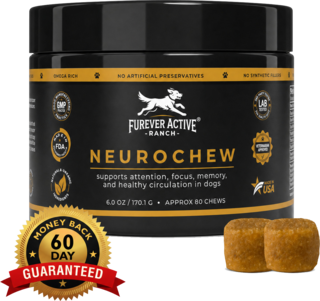
Support your dog's brain health with NeuroChew
NeuroChew is our daily soft chew for dogs, made fresh in the USA. See the ingredients and how it fits into a healthy daily routine.
Learn more about NeuroChew