Senior Dog Care
Understanding and Soothing Dog Anxiety


It's heartbreaking when you see your dog pacing, panting, or just looking lost. We understand. These aren't just "bad behaviors"; they are real expressions of anxiety. Think of it as an internal alarm that's a bit too sensitive, signaling a threat even when there isn't one. The first step on the journey to helping them feel safe again is learning to spot the signs.
Recognizing the Signs of Dog Anxiety
Sometimes it starts with a change so small you second-guess yourself. Maybe your dog has started licking their paws more than usual, or you notice them yawning even when they’re not tired. We see you. These quiet signals are often the first whispers of a bigger feeling of overwhelm, and you're not alone in noticing them.
In fact, multiple studies have found that over 70% of dogs display anxious behaviors. One large-scale study even revealed that noise sensitivity—a fear of things like fireworks or thunderstorms—was the most common form of anxiety, affecting almost a third of dogs. Learning to spot these tells is the first step on the journey to understanding what your dog is trying to communicate.
Obvious vs Subtle Signs of Dog Anxiety
Anxious behaviors can be as loud as a frantic bark or as quiet as a tucked tail. The more obvious signs are hard to miss. We’re talking about trembling, destructive chewing, or constant whining—these are clear calls for comfort.
But many dogs express their stress in much quieter ways. These are the subtle cues that often fly under the radar unless you know exactly what you're looking for.
This table helps break down some of the most common signs, from the really obvious to the easily missed.
| Overt (Obvious) Signs | Subtle (Often Missed) Signs |
|---|---|
| Destructive chewing, digging, or scratching | Excessive yawning when not tired |
| Aggression (growling, snapping, biting) | Lip licking or nose licking |
| Pacing, restlessness, inability to settle | "Whale eye" (showing the whites of the eyes) |
| Trembling or shaking | Tucked tail |
| Excessive barking, whining, or howling | Pinned back ears |
| Urinating or defecating indoors | Hypervigilance (constantly scanning the room) |
| Hiding or attempting to escape | Sudden avoidance or moving away |
| Clinginess or constantly seeking attention | Freezing or becoming suddenly still |
Seeing the full picture—both the loud and the quiet signals—allows you to step in and offer support before your dog's anxiety escalates. Small improvements matter.
The infographic below offers another way to visualize the different levels of stress signals, helping you connect the dots between what your dog is feeling and what they’re showing you.

As you can see, learning to recognize those subtle signs like yawning or lip licking means you can provide comfort much earlier, often preventing the more intense behaviors from ever showing up.
Reading Their Body Language
Once you start seeing these signs not as "bad behavior" but as communication, everything changes. Your frustration can gently shift to empathy. A tucked tail isn't defiance; it's a sign they're feeling unsure. That "whale eye"—where you can see the whites of their eyes—is often a plea for space. This shift in perspective will do wonders for your bond.
Here are some common signals to keep an eye out for:
- Pacing or Restlessness: Your dog just can't seem to settle down, even in their favorite spot.
- Excessive Barking or Whining: The vocalizations seem out of place, and your reassurance doesn't seem to help.
- Destructive Behavior: This often happens when you're away—chewed-up shoes, scratched doors, or shredded pillows.
- Hiding or Clinginess: Your dog might either become your shadow, needing constant contact, or try to disappear behind the furniture.
- Lip Licking and Yawning: These are classic stress signals dogs use when they feel conflicted or uncomfortable.
Becoming fluent in your dog’s body language is one of the most powerful tools you have. To go even deeper, check out our full guide on canine anxiety and behavior.
Unpacking the Common Causes of Dog Anxiety
Every dog has their own story, and the roots of their anxiety are just as unique. Figuring out what's triggering their feelings is the first real step toward helping them feel safe again. For most of us, it’s about connecting the dots—seeing that frantic scratching at the door isn't random, but a direct response to something specific.
When you start to see those patterns, the problem suddenly feels less overwhelming and a lot more manageable. You’re not dealing with a misbehaving dog; you're supporting a companion who is genuinely struggling.

Let's walk through some of the most common reasons behind dog anxiety. You’ll probably recognize some of these scenarios from your own life together.
The Heartbreak of Separation Anxiety
Does your stomach drop a little when you grab your keys to leave? For a dog with separation anxiety, your departure isn't just a quiet afternoon alone—it's deeply distressing. This isn't just about being a bit lonely; it's an intense feeling of being left behind.
You might come home to discover:
- Destructive behavior, usually centered around the doors or windows you left through.
- Non-stop barking or howling that your neighbors have (not so subtly) mentioned.
- Potty accidents, even from a dog who has been perfectly house-trained for years.
This type of anxiety has unfortunately become all too common. After 2020, reports of separation anxiety in dogs shot up by a staggering 760%. One survey even found that being left alone and fear of strangers are now the biggest anxiety triggers for dogs in the U.S.
Navigating Environmental Triggers
Sometimes, the perceived threat isn't your absence but the world itself. Environmental anxiety is all about specific sights, sounds, or situations that send a dog's senses into overdrive.
A dog with environmental anxiety is like a person who can't stand loud concerts or chaotic crowds. Their nervous system is just wired to be on high alert, and it doesn't take much to tip them over into a state of unease.
Common environmental triggers include:
- Loud Noises: Thunderstorms, fireworks, the vacuum cleaner—even construction noise down the street can be utterly terrifying. You’ll often see them trembling, hiding, or trying to climb into your lap for safety.
- New Situations: A trip to the vet, a car ride, or having guests over can be enough to cause serious stress. A dog who is normally social might suddenly retreat under a table.
- Changes in Routine: Moving to a new house, a shift in your work schedule, or bringing home a new baby can completely upend your dog's sense of predictability and security.
At their core, these triggers are about a loss of control and safety, which is deeply unsettling for any dog.
Social Anxiety and Fear of the Unfamiliar
Just like us, some dogs are the life of the party while others would rather stay home. Social anxiety in dogs is a persistent unease around unfamiliar people or other animals. It often comes from a lack of socialization as a puppy, a difficult experience in their past, or simply a more timid personality.
A socially anxious dog might:
- Hide behind your legs whenever a stranger approaches.
- Bark, growl, or lunge at other dogs on walks.
- Completely freeze up or tremble when new people are around.
It's so important to remember this isn't aggression for the sake of it—it's a reaction based in fear. Your dog is trying to create distance to protect themselves from what they see as a potential threat.
For our older dogs, these anxieties can sometimes get tangled up with other changes. As dogs age, shifts in their brain can affect how they process the world and regulate their emotions. Sometimes, what looks like new or worsening anxiety is linked to these cognitive shifts. To learn more about how to best support your senior companion, you can read our guide on cognitive decline in dogs. Getting to the root cause is always the key to providing the right kind of gentle support.
Creating a Calm Home Environment
To a dog, our world can feel enormous and unpredictable, and that uncertainty is a huge trigger for anxiety. The one place they should always feel safe is at home. Making your living space their personal sanctuary is one of the most effective and immediate things you can do to help them feel secure.
This isn’t about pricey renovations or complicated tech. It’s about making small, thoughtful adjustments that create a reliable and safe foundation. When your dog knows what to expect and has a place to retreat, it can make a world of difference to their baseline stress levels.
Designing a Dedicated Safe Haven
Every dog needs a "den"—a space that is theirs and theirs alone, where they know they can find comfort. This spot becomes their go-to refuge when they feel overwhelmed, whether it’s from the roar of the vacuum cleaner or the stress of seeing you grab your car keys.
Think of it as their own private room where they can let their guard down.
- Choose the Right Spot: Find a quiet corner of your home, away from the main hustle and bustle. Many dogs naturally gravitate toward a crate (with the door kept open), since the enclosed structure feels protective.
- Make It Comfortable: Line the space with soft blankets and their favorite bed. Tossing in an old t-shirt that smells like you can be incredibly comforting, especially for a dog who feels uneasy when you leave.
- Establish It as a Positive Zone: This is crucial: their safe space should never be used for punishment. It needs to be a place associated only with good things, like high-value chews, puzzle toys, and undisturbed rest.
A dog’s safe space isn’t just a physical location; it’s an emotional anchor. By respecting their den as their private retreat, you are telling them, in a language they understand, "You are safe here."
The Power of Predictable Routines
Anxious minds, whether human or canine, find comfort in predictability. A consistent daily schedule helps your dog learn the rhythm of their day, which strips away the fear of the unknown. When they have a good idea of when meals, walks, and playtime are coming, there are far fewer surprises to jolt their stress response.
Having a routine doesn't mean you need to be a drill sergeant about timing. The idea is to create a general, recognizable flow to the day that provides structure and reassurance, helping them feel grounded.
Redirecting Nervous Energy with Enrichment
Anxiety often winds a dog up with nervous energy that has nowhere to go. This is where enrichment activities can be a game-changer. These simple tools give a worried mind a constructive, rewarding task to focus on instead.
Here are a few gentle options that work wonders:
- Lick Mats: Smear some dog-safe peanut butter or plain yogurt on a textured mat. The simple act of licking is naturally self-soothing for dogs and can help them feel calmer.
- Puzzle Feeders: Ditch the food bowl and use a toy that makes them work for their meal. Nudging or rolling a food-dispensing toy engages their brain and turns mealtime into a calming mental exercise.
- Calming Scents: Certain aromas, like lavender and chamomile, have been shown to have a relaxing effect on dogs. A dog-safe essential oil diffuser can help set a more tranquil mood in the house.
Natural supplements can also play a key part in fostering a calm environment. Certain herbs are well-known for their calming properties. If you're curious, you can learn more about if ashwagandha is a safe option for dogs in our detailed guide. These small additions, when layered with behavioral and environmental support, can truly help create a more peaceful state of mind for your best friend.
Gentle Training to Build Their Confidence

This part of the journey isn't about "fixing" your dog. It's about patiently rebuilding their confidence from the ground up. Think of it as filling a confidence bucket, one tiny, positive experience at a time. The real aim is to gently reshape their emotional reaction to the world, slowly replacing fear with a sense of security and trust.
Forget strict obedience drills. We're talking about gentle, trust-building exercises that teach your dog that the world isn't as frightening as they believe it to be. When you focus on positive reinforcement and celebrate every small victory, you do more than just train—you deepen your bond and empower your dog to face their world with a little more calm.
Changing Fear into Anticipation
When it comes to the practical side of helping an anxious dog, two of the most powerful tools in our kit are desensitization and counter-conditioning. The names might sound a bit clinical, but the ideas behind them are straightforward and incredibly effective.
- Desensitization is all about slowly introducing your dog to their trigger at a super low intensity—so low that it doesn't even spark an anxious reaction.
- Counter-conditioning is the magic that happens next. It’s about changing their emotional response by pairing that trigger with something they absolutely love, like a piece of chicken or a favorite toy.
Let's use a classic example: your dog gets worried when you pick up your keys. Instead of just grabbing them and walking out the door, you might start by just touching them without making a sound. If your dog stays calm, you reward them. Over many sessions, you might jingle them softly from across the room, always following that sound with a fantastic treat.
The goal is to rewrite their internal script. We want the sound of keys to stop meaning, "Oh no, I'm about to be alone!" and start meaning, "Yes! I'm about to get something amazing!"
This process takes a ton of patience. It’s all about celebrating the small wins, like your dog simply looking at the keys without tensing up. These tiny moments are the building blocks for real, lasting progress.
Practical Steps for Building Confidence
You can apply these same principles to almost any trigger, from the vacuum cleaner to strangers on the street. The secret is to always work below your dog's "threshold"—that's the tipping point where their anxiety takes over. If they start panting, yawning, or showing other stress signals, you've pushed a little too far. Just take a step back to the last point where they were successful and try again later.
Here’s a look at how this works for a common fear, like a fear of strangers:
- Start at a Distance: Ask a friend to stand way down the street, far enough that your dog sees them but doesn't feel threatened. The second your dog glances at the person, praise them and give them a high-value treat.
- Keep it Short & Sweet: These sessions should be brief, just a minute or two at a time. This keeps it from becoming overwhelming and ensures the experience stays positive.
- Go at a Snail's Pace: Over many days (or even weeks), your friend can take one tiny step closer. You continue to reward your dog for staying calm, creating a new, positive association with seeing a person from afar.
Remember, you're not trying to force an interaction. You're helping your dog feel safe and in control. This consistent, gentle work builds a foundation of trust that will carry over into so many other parts of their life.
Giving their brain the right nutritional support can also make a meaningful difference here. By providing natural support for mental clarity with a supplement like NeuroChew, you can help their mind stay relaxed and receptive to these positive learning experiences. We're not chasing perfection—we're just aiming for more good days together.
Partnering With Professionals for Support
Realizing you need to bring in an expert isn't a sign of failure—it's a sign of profound love for your dog. You’ve done the hard work of creating a safe space, building routines, and practicing positive training. But sometimes, a dog's anxiety is too persistent for these steps alone, and that's okay. Partnering with a professional is a proactive and powerful next step on this journey together.
If your dog's anxiety is affecting their quality of life—maybe they've lost their appetite, can't seem to settle down, or are in a constant state of distress—it's time to call your veterinarian. They are your most important ally, first and foremost, in ruling out any underlying medical conditions that might be masquerading as or contributing to anxious behaviors.

When to Consult a Professional
Your veterinarian is the hub for your dog's care. After a thorough health assessment, they can walk you through the full range of options. They might recommend a certified veterinary behaviorist, a specialist with deep training in animal behavior who can create a detailed, customized modification plan for your dog's unique triggers and needs.
You're not alone in seeking this kind of help. The demand for effective solutions is growing, with the global market for canine separation anxiety treatments expanding steadily. North America currently holds a significant 32.8% of the market share, which shows just how many families are actively looking for professional support for their dogs' well-being. You can learn more about the rising demand for dog anxiety treatments.
In some cases, your vet may also discuss prescription medications. To get a better sense of what that entails, you can read our guide on canine anxiety medications, which explains how they fit into a broader, multi-modal care plan.
The Role of Nutritional Support
While you're working with professionals and implementing behavioral strategies, don't overlook the power of nutrition. It can be a gentle yet effective piece of the puzzle. Just like our own mental health is tied to what we eat, the same is true for our dogs. The right nutrients can support balanced brain function and help promote a natural state of calm.
We believe in a holistic approach where environment, behavior, and nutrition work in harmony. Supporting your dog’s brain health from the inside out can make them more receptive to training and better equipped to handle life's daily stressors.
Think of it as giving their nervous system the building blocks it needs to find and maintain its equilibrium. Ingredients that support brain cell health and mental clarity can help establish a calmer baseline, making it that much easier for your dog to learn new, more confident responses.
This isn't about looking for a quick fix. It's about providing comprehensive, layered support so you and your dog can have more good days together.
A Gentle Path Forward
Integrating nutritional support is a simple, non-invasive way to complement all the other positive changes you’re making. When you combine a predictable, safe environment with confidence-building training and natural support for cognitive health, you create a powerful synergy for your dog.
- Supports Calm Behavior: Helps your dog maintain a more relaxed and even-keeled state of mind.
- Promotes Mental Clarity: Supports focus, which makes them more receptive during positive training sessions.
- Aids Normal Brain Function: Provides key nutrients essential for a healthy, resilient nervous system.
You are your dog’s greatest advocate, and you don’t have to walk this path alone. By partnering with professionals and exploring all avenues of support—from behavioral to nutritional—you are giving your dog the best possible chance to feel secure, happy, and truly at ease. Every small step forward is a victory worth celebrating.
Your Questions About Dog Anxiety Answered
Walking this path with your dog is bound to bring up questions. We get it. Behind every one of those questions is a person who just wants to do the right thing for their best friend. Here are some straightforward, honest answers to the concerns we hear most often from pet parents just like you.
Can My Dog’s Anxiety Be Completely Cured?
It’s healthier to think of this as a journey of management and support rather than a search for a "cure." Real success is about reducing how often and how intensely your dog feels anxious, not necessarily erasing it completely.
With a stable environment, consistent and gentle training, and the right support system in place, most dogs can learn to cope with their triggers much more effectively. The goal is to give them more good, calm days than bad ones. We’re aiming for progress, not perfection.
How Long Does It Take to See Improvement?
Patience is probably the most important tool you have. Every dog's journey is unique, and their progress will unfold on its own timeline.
Some changes, like setting up a cozy "safe space," can bring a bit of immediate comfort. But the deeper behavioral work takes time and consistency, often unfolding over several weeks or even months. If you add a supplement to support their brain health, many families start to notice subtle shifts in their dog's general calmness within four to eight weeks. Remember to celebrate the small wins—they're proof you're on the right track.
"We see you. While we can't promise miracles, many dogs have shown real improvements. Small changes—better sleep, increased alertness—are worth celebrating."
Is My Dog’s Anxiety My Fault?
Let's be very clear: absolutely not. This is a heavy weight that so many caring owners carry, and it's important to let it go. A dog's anxiety is incredibly complex and can stem from all sorts of things that are completely out of your control.
- Genetics: Some breeds are simply hardwired to be more sensitive or prone to anxious behaviors.
- Past Experiences: A rescue dog might be dealing with trauma you know nothing about.
- Lack of Early Socialization: A critical puppyhood window might have been missed long before they came to you.
- Their Unique Personality: Just like people, some dogs are just naturally more cautious or worried.
You've noticed your dog is struggling and you're stepping up to help. That's what matters. Your commitment and compassion are what will make all the difference.
Will Another Dog Help My Dog's Separation Anxiety?
This sounds like such a kind and logical solution, but it rarely works the way people hope. In fact, getting a second dog can sometimes add even more stress to the home.
Separation anxiety is almost always about the dog's deep attachment and fear of being away from you, their primary person. It isn't just about a general fear of being alone. The most effective path forward is to focus on building your current dog's confidence and teaching them that they can be safe and secure on their own. Once they're in a much better place, you can then thoughtfully consider if adding another dog is the right choice for everyone involved.
At FureverActive, we believe that a healthy brain is the foundation for a happy dog. Our NeuroChew™ supplement is made to complement your training and care, offering natural support for a calmer mind. We’re here to help you find more good days, together. Explore how NeuroChew can support your dog's cognitive well-being.
Get practical dog wellness tips by email
Occasional, useful guidance on keeping your dog healthy and happy. Unsubscribe anytime.
No spam. We respect your inbox.
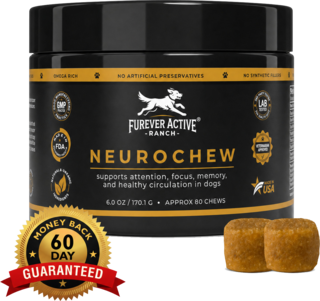
Support your dog's brain health with NeuroChew
NeuroChew is our daily soft chew for dogs, made fresh in the USA. See the ingredients and how it fits into a healthy daily routine.
Learn more about NeuroChew