Senior Dog Care
How to Tell if Your Dog Is in Pain and What You Can Do to Help


Dogs show pain through behavior long before they show it through crying. Watch for trembling, licking one spot, hesitation on stairs, pacing at night, pulling away from touch, slower walks, and withdrawal. Book a vet check to find the cause, then use warmth, soft bedding, and shorter walks for comfort while you treat the cause.
Key Takeaways
- Dogs mask pain, so behavior changes show up before any obvious limp or cry.
- Trembling, licking one spot, stair hesitation, and night pacing are the most missed early signs.
- Pain comes from arthritis, back strain, dental disease, infection, or gut inflammation.
- Ongoing pain raises stress hormones, which clouds focus, disrupts sleep, and changes mood.
- Comfort steps help today. Supporting the brain is what protects your dog long term.
In this article
The signs to watch for
Dogs hide pain better than anyone. They will wag their tail even when every step hurts.
By the time most owners notice, the pain has already changed how their dog moves, sleeps, and thinks. That is why it is critical to spot the early signs.
- Trembling or shaking
- Licking one spot over and over
- Hesitation to climb stairs or jump on the couch
- Sleeping more or pacing at night
- Pulling away when touched
- Walking slower or limping after play
- Staring into space, refusing food, or acting withdrawn
They cannot tell us how much pain they are in, so we need to know what to look for.
Where the pain usually comes from
Pain can come from arthritis, back strain, dental disease, infections, or even gut inflammation.
Pain does not stay in the body
Pain does not just live in the body. It affects the brain.
When pain lingers, stress hormones rise, which clouds focus, disrupts sleep, and makes your once happy dog anxious and confused. That is why so many dogs with physical pain also show mood or memory changes.
What you can do today
- Schedule a vet check to find the cause.
- Massage tight muscles or use warm compresses for stiffness.
- Keep their bedding clean and soft.
- Take shorter, slower walks on soft ground.
- Record symptoms on video so your vet sees what you see.
These small steps give comfort fast.
The long term piece most people miss
To protect your dog long term, you need to feed the system that controls pain, their brain.
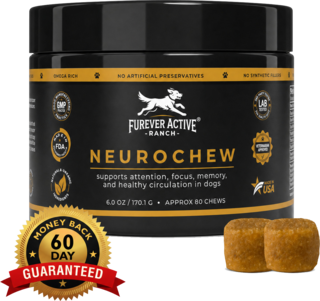
NeuroChew supports that system naturally. It nourishes their brain with natural and organic superfoods that calm inflammation, improve focus, and lift mood. The nutrients in NeuroChew also help promote gut health and joint mobility, so your dog feels better inside and out.
★★★★★
“My lab struggled to stand after naps. After two weeks on NeuroChew, she is climbing stairs again and wagging nonstop.”
Heather. Individual results vary.
>>> https://FureverActive.com/pages/neurochew-longevity
Your dog deserves to feel good again. Start with the simple things you can do today, and add NeuroChew as the one daily habit that helps everything work better.
When something feels off in your dog, trust it. Pain hides well, but love sees it first.
Frequently asked questions
What are the first signs of pain in a dog?
Behavior changes come first: trembling, licking one spot, hesitating on stairs, pacing at night, pulling away from touch, walking slower after play, or withdrawing from the family. Crying and limping usually come much later.
Can I give my dog pain medication at home?
Never give human pain medication to a dog. Ibuprofen, acetaminophen, and naproxen can cause serious harm. Ask your veterinarian for something formulated for dogs and dosed to your dog's weight.
Why is my older dog pacing at night?
Night pacing often means discomfort, a full bladder, or cognitive change. Pain and cognitive decline frequently travel together, since ongoing pain raises stress hormones that disrupt sleep.
How do I know if it is pain or just aging?
Aging is gradual and steady. Pain tends to show a change: a new hesitation, a new spot being licked, a new reluctance to be touched. Any new change is worth a vet visit.
Does a supplement help with pain?
A supplement is not a painkiller. What it can do is support the systems that influence how your dog feels day to day, including inflammation, sleep, mood, and mobility.
Share this article
Email this articleGet practical dog wellness tips by email
Occasional, useful guidance on keeping your dog healthy and happy. Unsubscribe anytime.
No spam. We respect your inbox.
Support your dog's brain health with NeuroChew
NeuroChew is our daily soft chew for dogs, made fresh in the USA. See the ingredients and how it fits into a healthy daily routine.
Learn more about NeuroChew