Senior Dog Care
A Guide to Preventive Health Care for Your Dog


When we talk about preventive health care for our dogs, what does that really mean?
It’s a simple but powerful shift in how we think. Instead of waiting for our dogs to get sick and then reacting, we take proactive steps to support their health in the first place. Think of it as a partnership between you and your vet, focused on building a strong foundation of well-being through regular check-ups, smart nutrition, and consistent care at home. The journey is about nurturing wellness, not just managing illness.
The Promise of More Good Days Together

Your dog is family. Every moment you share is one to be cherished. But as they get older, that love can be touched by worry. You start to notice the little things—a slight pause before they hop on the sofa or the first hint of gray around their muzzle. We understand that you want to do everything you can to make their life as happy and comfortable as possible.
This guide is about more than just managing sickness. It's about celebrating a proactive approach to their long-term health. Preventive health care for dogs isn't a clinical chore; it's a way of life that helps you have more joyful, comfortable years together. It’s how you build a foundation of health that lets their unique personality shine, day in and day out.
A Journey of Proactive Love
Choosing preventive care is one of the most meaningful things you can do for your dog. It's all about noticing small issues before they can become bigger, more heartbreaking problems. It’s about maintaining their quality of life with simple, consistent actions.
You’ll gain the peace of mind that comes from knowing you’re doing everything possible to support their well-being. At its heart, this journey comes down to a few key pillars:
- Consistent Vet Visits: Think of your vet as a partner. Regular visits establish a baseline of what's normal for your dog, making it easier to spot subtle changes early.
- Supportive Nutrition: The right food fuels their body and mind, helping maintain resilience from the inside out.
- Daily Movement: Gentle, regular exercise helps maintain joint comfort and keeps their spirits high.
- Mental Engagement: Play and interaction keep their minds sharp and support their cognitive health.
This commitment to proactive wellness is something more and more dog owners are embracing. In fact, the global market for pet health care plans is growing, driven by people who see their dogs as true family members deserving the best care. This isn't just a trend; it's a reflection of our deepening understanding that preventive care leads to early detection and, most importantly, more good days together.
"We measure success in peaceful nights and moments of recognition. Small improvements can mean everything."
Our goal here is to give you practical, easy-to-understand knowledge. It's about making your dog's senior years as smooth as possible and cherishing every tail wag, every walk, and every quiet evening. By focusing on their wellness today, you're making a direct investment in a happier tomorrow for your best friend.
Understanding the Four Pillars of Canine Wellness

The idea of preventive health care can feel like a huge, complicated puzzle. But it doesn't have to be. To make things simple and actionable, we can break it all down into four foundational pillars.
Think of these as the sturdy legs of a table—each one is absolutely critical for supporting your dog’s long-term health and happiness. By focusing on these core areas, you're not just a pet owner; you're their most important health advocate.
Let's walk through them together, one by one.
Pillar 1: Annual Wellness Exams
We tend to think of the vet as a place we go when something is wrong. But the annual wellness exam is the bedrock of proactive care, and it’s about so much more than just getting shots.
During this yearly check-up, your veterinarian creates a health baseline. This is a snapshot of what’s normal for your dog—from their heart rate and weight to their blood work. This baseline is gold. It’s what allows your vet to spot tiny, subtle changes over time that could easily go unnoticed, helping to find potential issues long before they become serious problems.
Pillar 2: Strategic Nutrition and Weight Management
What goes into your dog's bowl every day is one of the most powerful tools you have for supporting their health. Don't worry, this isn't about complicated or expensive diets. It’s simply about choosing the right fuel for their specific age, breed, and activity level.
The right food supports everything, from maintaining strong joints during their active years to keeping their minds sharp as they get older. Just as important is keeping them at a healthy weight. Even a few extra pounds can put a surprising amount of strain on their joints, heart, and other organs.
We know the world of dog food can feel overwhelming. The goal is simple: provide balanced nutrients that support their body's natural resilience. Sometimes, small, smart adjustments can lead to meaningful improvements in their day-to-day comfort.
A huge part of this is understanding exactly what's in their food and treats. It’s worth learning about the importance of reading dog treat ingredient labels to make sure you're giving them the good stuff.
Pillar 3: Year-Round Parasite Prevention
Fleas, ticks, and heartworms aren't just unpleasant—they are genuine health threats. A common myth is that we only need to worry about them in the summer. But with changing climates, most vets now see parasites as a year-round challenge.
Consistent, monthly prevention is a simple act that shields them from the discomfort of itchy skin and the serious diseases these pests can carry. Interestingly, one global survey found that while 83% of pet owners know parasite prevention is vital, many find it hard to be consistent. Making it a small, monthly habit offers incredible peace of mind.
Pillar 4: Proactive Dental Health
It’s so easy to forget about what’s going on inside our dog’s mouth, but their dental health is directly tied to their overall well-being. Plaque and tartar can quickly lead to painful gum disease, a condition that’s far more common than most people realize.
We know it can be concerning to learn that the bacteria from dental issues don’t just stay in the mouth. They can get into the bloodstream and cause trouble for vital organs like the heart and kidneys. Proactive dental care—whether it's daily brushing, dental chews, or professional cleanings—is a key part of a complete preventive health care for dogs strategy.
The Four Pillars of Preventive Care at a Glance
To bring it all together, here’s a quick summary of how these four pillars create a comprehensive wellness plan for your dog.
| Pillar of Care | What It Involves | Why It Matters |
|---|---|---|
| Annual Wellness Exams | Regular check-ups, blood work, physical exams. | Establishes a health baseline and allows for early detection of potential issues. |
| Nutrition & Weight | A balanced diet for their age and portion control. | Supports everything from joint health to brain function and helps maintain a healthy body condition. |
| Parasite Prevention | Year-round flea, tick, and heartworm medication. | Protects against discomfort and helps shield them from serious diseases. |
| Dental Health | Brushing, dental chews, and professional cleanings. | Helps maintain healthy gums and reduces the risk of bacteria affecting other organs. |
Each pillar plays a unique role, but together, they form a powerful support system that helps ensure your dog lives the happiest, most comfortable life possible.
Your Veterinarian Is Your Partner in Health

We know that for many dogs (and their people), a trip to the vet can be stressful. But what if we started thinking about it differently? Instead of a source of anxiety, try to see your veterinarian as your most valuable partner in your dog's long-term health journey.
This relationship is truly the foundation of preventive health care for dogs. It’s about building a real connection with a professional who gets to know your dog's unique personality, their funny quirks, and their baseline health over many years. When you have that kind of bond, a clinical visit feels more like a collaborative chat about keeping your best friend happy and well.
The Power of the Wellness Exam
The annual or semi-annual wellness exam is so much more than just getting shots. Think of it as a proactive deep-dive into your dog's current health, creating a vital baseline that helps your vet spot subtle changes you might miss at home.
During this check-up, your vet does a full nose-to-tail physical. They’ll listen to the heart and lungs, feel for any new lumps or bumps, and check how their joints are moving. This hands-on exam can uncover the earliest signs of common issues like arthritis or heart murmurs, long before they start causing your dog any discomfort. These visits are especially important as our dogs get older, as early support can make a world of difference in their golden years.
"Early detection is everything. Finding a small change in a blood test or a subtle shift in weight can open up a conversation about gentle, proactive support. It’s about managing conditions comfortably, not reacting to a crisis."
What to Expect Beyond the Physical Check
A thorough wellness exam often includes a few key diagnostic tools that give your vet a clear picture of what's happening on the inside.
- Routine Blood Work: This is like a health report card for your dog's internal organs. It gives your vet the scoop on liver and kidney function, blood cell counts, and other markers that can flag underlying issues before your dog shows a single symptom.
- Fecal and Urine Tests: These simple screenings are surprisingly powerful. They can catch internal parasites, check on kidney health, or reveal signs of a urinary tract infection.
- Heartworm Testing: Even if your dog is on a year-round preventive, an annual test is the gold standard to ensure they’re fully protected.
Remember, these tests aren't just about finding problems—they're about confirming good health. A clean bill of health is a reason to celebrate and provides valuable data for comparison down the road.
A Partnership for Their Whole Life
As your dog moves from puppyhood to their senior years, your veterinarian is there to guide you through every stage. They can help you tweak their diet for aging bodies, recommend the right kind of exercise for stiff joints, and help you understand behavioral shifts.
Sometimes, those shifts can be tied to anxiety, which is a surprisingly common issue for dogs. Having a trusting relationship with your vet makes it easier to have open conversations about all aspects of their well-being, including mental health.
Talking about the financial side of things is also part of this partnership. Proactive wellness visits and early detection are often far more affordable than the high costs of emergency care for an advanced illness. Investing in wellness is truly an investment in more good years together.
Ultimately, your vet’s goal is the same as yours: to give your dog the longest, happiest, and most comfortable life possible. They are your ally, your educator, and your partner on this incredible journey.
How to Support Their Wellness at Home

Preventive health care isn't something that just happens once a year at the vet's office. It's built into the quiet, everyday moments you share with your dog. The real, lasting impact comes from the small, consistent choices you make at home, making you their most important partner in wellness.
These daily routines are where you truly support their health and deepen your bond. By creating a stable, nurturing environment, you're laying the foundation for many more good years together.
The Foundation of a Balanced Diet
The most direct impact you have on your dog's health is what you put in their bowl every day. A balanced diet designed for their specific age and activity level provides the essential building blocks for everything from a resilient immune system to a sharp mind. An energetic puppy's needs are vastly different from a senior dog whose metabolism has slowed.
Keeping them at a healthy weight is just as crucial. We know it's tough to resist those pleading eyes, but even a few extra pounds put a huge strain on their joints, heart, and organs. Maintaining a lean body condition is one of the most powerful, loving things you can do to support their long-term comfort and mobility.
For an extra nutritional boost, many pet owners look to natural supplements. You can learn more about powerful additions like the omega-3s found in Alaskan salmon oil for dogs.
Keeping Their Mind Engaged
A healthy body needs a healthy mind to go with it. Mental stimulation is key to maintaining cognitive function, keeping your dog sharp, engaged, and connected to their world. We’ve all seen that heartbreaking moment when an older dog stands at the door, seeming to forget why they went there in the first place.
You don't need fancy gadgets to make a difference. The goal is to gently challenge their brain every day.
- Puzzle Toys: These require your dog to problem-solve for a treat, giving them a satisfying mental workout.
- New Walking Routes: Just like reading a new book is for us, exploring new sights and smells is incredibly stimulating for a dog’s brain.
- "Find It" Games: Hide a few treats around a room and let them use their powerful sense of smell to track them down. It’s a fun way to engage their natural instincts.
These simple activities help strengthen the neural pathways that support mental clarity, turning playtime into a vital part of your preventive health care for dogs routine.
"We measure success in peaceful nights and moments of recognition. It’s about celebrating the small wins—like when they remember where their favorite toy is hidden."
The Importance of Gentle, Consistent Movement
When we hear "exercise," it’s easy to picture high-octane activities like sprinting after a ball. But for long-term health, especially as dogs get older, consistency trumps intensity every time. The real goal is gentle, regular movement that supports their body and mind without causing unnecessary stress.
Low-impact activities like daily walks or a calm swim work wonders. This kind of movement helps maintain muscle tone to support aging joints and promotes healthy circulation, which is vital for carrying oxygen and nutrients throughout the body.
Think of it as a small, daily investment in their future comfort. A short walk every single day does more good than one exhausting hike on the weekend. This gentle, steady approach keeps them feeling their best and proves that every little choice you make really does matter.
Smart Financial Planning for Your Dog's Care
We understand: thinking about the cost of vet care can be stressful. The last thing any of us wants is for a financial question to get in the way of our dog getting the best possible support. A little bit of planning goes a long way here, giving you the peace of mind to focus completely on your best friend when they need you most.
Thinking about finances isn't about dwelling on the worst-case scenarios. It’s about being prepared so you can make clear, confident decisions for your dog. Two of the best tools for this are pet health insurance and wellness plans. They sound similar, but they do very different jobs.
Pet Insurance: Your Safety Net for the Unexpected
Think of pet insurance as a safety net for life's curveballs. Its main job is to help cover the costs of accidents and illnesses you just can't see coming—everything from a torn ACL at the dog park to a sudden diagnosis that needs long-term care.
It works a lot like our own health insurance. You pay a monthly premium, and if something happens, the policy can reimburse you for a big chunk of the vet bills after you’ve met your deductible. This can be a true lifeline, making it possible to say "yes" to the best care without facing overwhelming financial strain.
Wellness Plans: Budgeting for Routine Care
While insurance is for emergencies, wellness plans are for the predictable, routine parts of preventive health care for dogs. These plans are all about making it easier to budget for the things you know your dog will need every year.
Most wellness plans work like a subscription. You pay a set amount each month, which covers essential services and spreads the cost out over time. This helps you manage your budget for things like:
- Annual exams and check-ups
- Core vaccines and boosters
- Routine blood tests and health screenings
- Flea, tick, and heartworm prevention
Many vet clinics package these services to make preventive care more affordable. You can explore specific wellness plans to get a feel for how they’re structured.
Making the Right Choice for Your Dog
So, which one is better? It’s not really an either/or question. They serve completely different purposes, and many dog owners actually use both. Pet insurance protects you from massive, unexpected bills, while a wellness plan makes budgeting for routine care simple and predictable. The right choice really comes down to your dog's specific needs and your own financial comfort level.
This kind of proactive financial planning is becoming more and more common. The pet insurance market is growing, reflecting a real shift in how we think about our dogs' health: it’s an investment in their happiness and longevity.
"Planning ahead removes the financial 'what ifs' from the equation. It allows your decisions to be guided purely by what's best for your dog's comfort and quality of life."
Ultimately, smart financial planning is just another way we show our dogs we love them. It's right up there with providing brain-boosting activities or nutritional support to keep them sharp.
A Lifelong Journey of Love and Support
Taking on your dog's preventive care can feel like a huge responsibility. It's easy to get caught up in worrying if you're doing enough or making the absolute best choice every single time. Let's take a step back and remember what this is really all about.
This isn't a quest for perfection. We know there's no magic bullet to stop your dog from aging. Instead, think of this as a quiet, steady expression of your love—the small, consistent things you do day in and day out that build a life of comfort and happiness for your best friend.
More Good Days Together
Every time you fill their bowl with a healthy meal, enjoy a leisurely walk together, or just notice a small change in how they're acting, you're practicing preventive care. These are the moments that truly matter. They form the bedrock of the incredible bond you share.
After all, you know your dog better than anyone else on the planet. Trust that. The goal isn’t to sidestep every possible health issue. It's about building a strong foundation of wellness that gives you more good days, more happy greetings at the door, and more quiet moments of connection.
"Your dog gave you their best years—now give them yours. Every proactive step you take is a beautiful reflection of the love you share."
You are their number one advocate and their most trusted friend. By embracing preventive care, you're doing more than just looking after their health; you're honoring the special, irreplaceable role they play in your life. This journey, with all its little moments, is one of the most powerful ways to show your love.
Your Top Dog Wellness Questions, Answered
Even after diving deep into preventive health care for dogs, it's totally normal to have a few questions lingering. In fact, asking these questions is a sign you're a fantastic, proactive pet parent. Let's tackle some of the most common ones we hear from dog owners.
When Should I Start Preventive Care for My Dog?
That's a great question, and the answer is refreshingly simple: right away. The second that new puppy tumbles through your door, their preventive care journey has begun. You're already on it with their first round of shots, deworming, and those crucial early experiences that help them grow into a confident, happy adult.
But what if you've adopted an older dog or are just now learning about this proactive approach? You’re not alone, and it is never too late to start. Today is the perfect day to schedule that check-up or upgrade their food. Every single positive step you take from this moment on makes a real difference in their quality of life.
Is Preventive Care Really Worth the Cost?
We get it. Vet bills can be intimidating, and it's smart to ask if these proactive appointments are a good investment. In our experience, the answer is a definite yes. It's a bit like taking care of your car—a few dollars for a regular oil change can help you avoid a catastrophic engine failure that costs thousands.
"Proactive care is almost always more affordable over a dog's lifetime than reacting to unexpected emergencies. It's an investment in their health and your own peace of mind."
When we notice something like early dental disease or a subtle change in kidney function, it can often be supported with simple, less expensive strategies. That's a far better scenario for everyone—especially your dog—than an emergency for a problem that has progressed.
What Are the Most Important Things I Can Do at Home?
Your vet is a key player on your dog's health team, but you are the MVP. The day-to-day choices you make at home are where the real progress happens. If you want to focus on the biggest wins, it all comes down to these core habits:
- Feed Them Well: A high-quality, balanced diet that’s right for their age and size is the foundation for everything else.
- Keep Them Moving: Consistent, daily exercise is essential. It helps maintain their joints, manage their weight, and gives them a great mental outlet.
- Mind Their Mouth: A little daily effort, like a dental chew or a quick tooth brushing, can help maintain healthy gums.
- Challenge Their Brain: Keep that smart mind of theirs busy! Puzzle toys, training games, and new sniffing spots on walks are all fantastic for their mental health.
Here at Furever Active, we believe that a healthy mind is a huge part of overall wellness. Our NeuroChew™ supplement was created to support brain function and healthy circulation, helping your dog stay sharp and focused as they age. See how you can support their cognitive journey at https://fureveractive.com.
Get practical dog wellness tips by email
Occasional, useful guidance on keeping your dog healthy and happy. Unsubscribe anytime.
No spam. We respect your inbox.
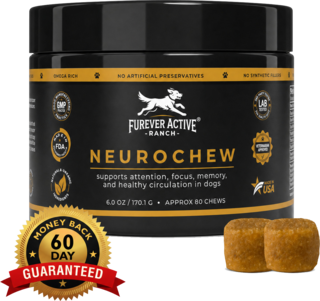
Support your dog's brain health with NeuroChew
NeuroChew is our daily soft chew for dogs, made fresh in the USA. See the ingredients and how it fits into a healthy daily routine.
Learn more about NeuroChew