Senior Dog Care
Navigating the Signs of Cognitive Decline in Dogs


It starts quietly. Maybe your dog stood at the hinge side of the door, confused about how to get out. Or perhaps they seemed lost for a moment in your own backyard, a place they've known their entire life. We understand.
These small but meaningful moments are often the first whispers of cognitive decline in dogs. You're not imagining it. The common signs we hear about from families like yours include confusion in familiar places, sudden changes in their sleep patterns, and less interest in playing with you or their favorite toys.
Your Guide to Supporting Your Aging Dog

We've been there. The feeling that settles in your heart when you see these changes is a heavy one. You start to wonder if you’re overreacting, but deep down, you know something is different. You aren't alone in this journey, and those 3 AM internet searches are a testament to your love and dedication.
This guide is for you—the loving dog parent who would do anything for their companion. Our goal is to walk this path with you, translating the science of canine cognitive decline into gentle, practical knowledge you can actually use. We're not here to overwhelm you with medical jargon; we're here to support you with understanding and realistic optimism.
What to Expect on This Journey Together
Think of this as a conversation with an experienced friend who gets it. We'll explore what these signs really mean and how you can provide comfort and support to help maintain your dog's quality of life. This process is all about celebrating small wins and focusing on progress, not perfection.
Key areas we will cover together include:
- Understanding the "Why": We'll gently explain what's happening in your dog's brain in simple, accessible terms.
- Recognizing the Signs: A clear breakdown of common behaviors to help you identify what you're seeing.
- Providing Gentle Support: Actionable steps you can take to help maintain your dog's mental clarity and comfort.
"Your dog gave you their best years—now you're giving them yours. We measure success in peaceful nights and moments of recognition, knowing that small improvements can mean everything."
Recognizing and understanding these shifts is the first powerful step. It’s also crucial to distinguish them from other potential issues. To help you sort through what might be cognitive changes versus other common senior behaviors, you can learn more about general aging dog behavior changes in our detailed article.
Ultimately, we believe in focusing on creating more good days together. Your bond is a precious thing, and supporting your dog through this chapter is one of the most profound acts of love you can offer.
Understanding Canine Cognitive Dysfunction
Have you ever seen your older dog just stand there, looking lost? Maybe they wander into a room and seem to forget why they went in, or stare blankly at their food bowl. It's a deeply unsettling feeling for any pet parent. We see you. Let's talk about what might be going on inside their head—a journey many of us with senior dogs face together.
This kind of confusion is often a sign of Canine Cognitive Dysfunction, or CCD. You can think of it as being similar to Alzheimer's disease in humans. It's a natural, age-related change in the brain, and it is absolutely not your fault. The most important first step is simply recognizing that something is different so you can start to provide gentle support.
What Is Happening Inside Your Dog's Brain
As our dogs get older, the complex wiring inside their brains can start to change. The connections between brain cells—the very ones that fire off signals for everything from knowing their name to remembering the route for your daily walk—can slow down and become less effective.
Imagine a busy city highway where, over time, a few lanes close and the traffic signals get out of sync. It makes it harder for messages to get where they need to go quickly. At the same time, blood flow carrying essential oxygen and nutrients to the brain can also decline. This combination means the brain isn't getting all the resources it needs to work as sharply as it once did.
It's heartbreaking to see your best friend in a moment of confusion. We understand. While we can't promise miracles, many families find that gentle, natural support can help their dogs enjoy more clear, comfortable, and happy days.
How Common Is Canine Cognitive Dysfunction
If you're seeing these signs, you are far from alone. CCD is surprisingly common in older dogs, and the chances of it developing increase with every passing year.
One large survey of pet owners found that while 8.1% of dogs between 8 and 11 years old showed signs, that number jumps significantly as they age. You can read more about the study on cognitive impairment in older dogs.
This isn't just about a fuzzy memory; it affects their brain's overall ability to function. Learning to spot the signs is key. For a deeper dive, our comprehensive guide on dog cognitive dysfunction syndrome can offer more insights and support as you navigate this new chapter with your loyal friend.
Recognizing the Common Signs of Cognitive Decline
You know your dog better than anyone. You know the exact twitch of their ear when they hear the treat bag or the happy dance they do before a walk. So when those familiar routines start to change, even in small ways, it’s hard not to feel a sense of unease. You're not alone in that feeling.
If your once-sharp companion seems a bit lost or their lifelong habits start to waver, you’re not just imagining things. We’re here to help you understand what you're seeing, turning that worry into proactive, gentle care.
A Framework for Understanding: DISHAA
To help dog owners make sense of these changes, experts often use the acronym DISHAA. Think of it less like a scary clinical checklist and more like a simple guide to help you organize your observations and have a more productive conversation with your vet.
This infographic breaks down how the natural aging process in a dog's brain can lead to the specific behavioral shifts you might be noticing at home.

It’s a great visual for connecting the dots between the internal changes happening in your dog and the external behaviors that can feel so confusing.
Breaking Down the DISHAA Clues
Let’s walk through what each letter in DISHAA really means, with some real-world examples you might recognize. Seeing these spelled out can be a relief—it confirms that what you're noticing is real, and that many other loving pet parents are on this journey with you.
-
D is for Disorientation: This is often the most noticeable and heart-wrenching sign. Your dog might wander into a corner and seem unable to get out, stand at the hinge side of the door waiting for it to open, or just seem generally lost in a home they've known for years. It's important to rule out other issues, as sudden balance problems could point to something else, like vestibular disease in older dogs.
-
I is for Interactions: Have you noticed a change in how your dog socializes? They might become more withdrawn and less interested in a good scratch behind the ears, or they could swing the other way and become incredibly clingy, shadowing your every move.
-
S is for Sleep-Wake Cycles: Ah, the 3 AM pacing session. This is a classic. Many dogs with cognitive changes get their days and nights mixed up, sleeping soundly all day only to become restless, anxious, and vocal when the house is dark and quiet.
The Final Pieces of the Puzzle
The last three letters of the acronym highlight other significant shifts that paint a fuller picture of what your dog is experiencing.
-
H is for House-Soiling: When a perfectly house-trained dog suddenly starts having accidents, it’s not out of spite. They may genuinely forget their training, not recognize the body’s signals to go outside, or lose the ability to "hold it" like they used to.
-
A is for Activity Level: That favorite squeaky toy might lie untouched, or the rattle of the leash no longer elicits the same happy dance. A general lack of interest in play, walks, or other cherished activities is a common sign. They just seem less engaged with the world.
-
A is for Anxiety: A sudden increase in anxiety is another key indicator. This can show up as a new fear of thunderstorms, nervousness around strangers, or general restlessness that you can’t quite put your finger on.
These behaviors aren't just isolated quirks; they are statistically significant markers of age-related changes. One study found that among dogs aged 15 to 16 years, a staggering 68% showed signs in at least one of these categories, and 35% showed signs in two or more.
Keeping track of what you observe is incredibly helpful.
The DISHAA Checklist for Cognitive Changes
Use this simple checklist to track the specific behaviors you're noticing in your senior dog.
| Category (DISHAA) | Specific Signs to Look For | My Notes (e.g., 'Started last month') |
|---|---|---|
| Disorientation | Getting stuck in corners, staring at walls, seems lost | |
| Interactions | Less social, more clingy, irritable with other pets | |
| Sleep-Wake Cycles | Pacing at night, sleeping more during the day | |
| House-Soiling | Accidents in the house after being fully trained | |
| Activity Level | Less interest in walks, play, or family activities | |
| Anxiety | New fears, increased restlessness, more vocal |
Jotting down a few notes in a table like this can make your next vet visit much more effective. Recognizing these signs is the first, most important step toward giving your best friend the comfort and support they need in their golden years.
How to Gently Support Your Dog's Brain Health

Watching your old friend show signs of confusion can be heartbreaking. It’s easy to feel a little helpless, but we want you to know this: you’re not. This is a moment where your bond, your understanding, and your gentle care can make all the difference. We’re not aiming for miracles; we’re aiming for more good days, more comfortable moments, and a stronger connection.
You have the power to make your dog’s world a little clearer and a lot more comfortable. It all starts with small, thoughtful changes that can have a big impact. We're on this journey with you, focusing on what we can do and celebrating every bit of progress, no matter how small.
Enriching Their Environment for Comfort
One of the kindest and most powerful things you can do is to make your dog’s world feel safe and predictable again. Think of it this way: when their internal GPS starts to get fuzzy, a reliable, unchanging external map becomes an incredible source of comfort. We call this environmental enrichment, and it’s simpler than it sounds.
You don't need to do a major home renovation. It’s all about simple tweaks that reduce anxiety and help your dog feel more confident moving through their day.
- Keep Things Consistent: Try to keep the furniture, their food and water bowls, and their favorite bed in the same spot. A familiar layout helps them navigate without the stress of "new" obstacles.
- Offer Gentle Brain Games: Introduce simple puzzle toys that are rewarding, not frustrating. A snuffle mat or a slow feeder engages their powerful sense of smell and provides a low-pressure mental workout.
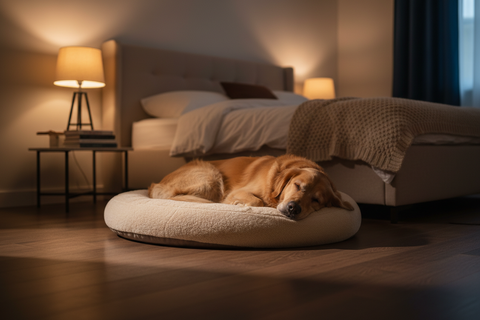
- Make Navigation Easier: Plug in a few nightlights along hallways or near their bed. This can make a huge difference for a dog who gets restless or disoriented at night. If stairs or slippery floors are becoming a challenge, a simple ramp or some non-slip rugs can restore their confidence.
"Small improvements are huge wins. A dog who can confidently find their water bowl or sleep a little more soundly is a testament to your care. Those are the moments we’re aiming for."
The Power of Brain-Supportive Nutrition
Just like with people, what your dog eats has a direct line to their brain health. Nutrition is one of the foundational pillars of supporting cognitive function from the inside out.
Two of the most important players here are antioxidants and omega-3 fatty acids. Antioxidants act like bodyguards for brain cells, protecting them from damage. Omega-3s are the building blocks that help keep those cells communicating effectively. Many high-quality senior dog foods are formulated with these in mind, but supplements can also provide a helpful boost.
Targeted Nutritional Support for Mental Clarity
While a great diet is your first line of defense, sometimes your dog’s aging brain needs a little extra, more targeted support. This is where supplements specifically designed for cognitive health can become a really valuable part of their care plan.
These supplements often combine a blend of ingredients that work together to promote mental clarity and help maintain cognitive function. They deliver concentrated doses of key nutrients that are tough to get from diet alone. For anyone looking for a proactive, gentle way to help their companion, exploring the benefits of dog dementia supplements can be an empowering next step. While every dog's journey is unique, adding this extra layer of support can make you feel more in control of their care.
The Comfort of Routine and Gentle Activity
For a dog grappling with the confusion of cognitive decline, their world can suddenly feel unpredictable and a bit scary. It’s as if their internal compass is spinning, leaving them feeling lost. A consistent daily routine becomes their new North Star, offering a profound sense of security and comfort.
When your dog knows what to expect—that breakfast always comes after the morning potty break, a gentle walk is next, and bedtime is at the same time every night—it dramatically lowers their anxiety. This predictability helps them navigate their day with more confidence, easing the mental strain of trying to figure out what's coming next. Providing this structure is one of the kindest and most effective ways to support their emotional well-being.
Gentle Movement for a Clearer Mind
Along with a solid routine, gentle physical activity is a powerful tool for supporting their brain health. We're not talking about running marathons or learning complicated new tricks. The goal is to encourage consistent, low-impact movement that promotes healthy blood flow, which is crucial for getting oxygen and nutrients to the brain.
Think of it as keeping the mental pathways clear. Even short, leisurely walks around a familiar block can make a real difference. The familiar sights and smells reinforce their sense of place while providing gentle mental stimulation that isn't overwhelming.
The link between staying active and cognitive health is undeniable. Research has shown that among dogs of the same age and health, those who were inactive were over 6 times more likely to have canine cognitive dysfunction than very active dogs. Another major study found that the odds of developing CCD increased by 52% for each additional year of a dog's life, which really underscores how important early and consistent support is. You can dig into the full findings about activity levels and canine brain health.
Adapting Activities for Their Comfort
The trick is to tailor any activity to what your dog can comfortably handle right now. Remember, small efforts really do matter on this journey.
-
Shorter, More Frequent Walks: Instead of one long, tiring walk, try two or three shorter ones. This helps avoid physical fatigue but still provides all the benefits of movement and fresh air.
-
Indoor "Sniff Safaris": On days when heading outside feels like too much, hide a few of their favorite high-value treats around a single room. This engages their powerful sense of smell, which is a fantastic and low-stress form of mental exercise.
-
Simple Command Refreshers: In a quiet, calm space, practice basic commands they've known for years, like "sit" or "stay." This helps reinforce old neural pathways and creates a wonderful moment of positive connection between you both.
If you find that anxiety is a major barrier during these activities, it’s worth addressing directly. You can find some helpful strategies in our guide to understanding canine anxiety drugs and other supportive options. The ultimate goal is to always create positive experiences that build comfort, not add more stress.
Your Top Questions About Canine Cognitive Decline
When you first notice your old friend seems a little lost or confused, a flood of questions usually follows. We get it. Those late-night worries are valid, and you need straightforward, kind answers. We’ve pulled together the most common concerns we hear from pet parents, hoping to bring you a bit of clarity and peace of mind.
Know that you aren't the first to ask these questions. Every single family walking this path has similar concerns, and getting answers is the first step toward feeling more in control and confident in how you care for your dog.
How Quickly Does This Progress?
This is one of the toughest questions because the honest answer is: every dog's journey is unique. For some pups, the signs of cognitive decline in dogs creep in slowly over several years, giving you time to adjust together. For others, the changes can seem to happen much faster.
There’s simply no set timeline. That’s why we always encourage people to focus on the here and now, celebrating the good days as they come. Instead of trying to guess what the future holds, you can put your energy into supporting their quality of life today.
"We measure success in peaceful nights and moments of recognition. Every small improvement—like your dog greeting you at the door again—is a victory worth celebrating."
This mindset helps shift the focus from worry to action, letting you truly appreciate the time you have together.
Is There Any Way to Prevent This?
While there's no way to prevent Canine Cognitive Dysfunction entirely, you can absolutely play an active role in supporting your dog's brain health over the long haul. The best way to think about it is building a solid, healthy foundation throughout their life, giving them the best possible chance to stay sharp in their golden years.
A lifetime of thoughtful care can make a real difference. The key areas to focus on are:
- Keep Their Mind Busy: Simple puzzle toys, games of "find the treat," and short, fun training sessions are fantastic for keeping their brain active and engaged.
- Encourage Gentle Movement: Consistent, low-impact exercise, like leisurely walks, helps support healthy blood flow, which is crucial for getting oxygen and nutrients to the brain.
- Feed Their Brain: A balanced diet rich in antioxidants and omega-3 fatty acids provides the essential building blocks for healthy brain cells.
It’s never too early—or too late—to start weaving these simple habits into your dog’s daily life.
When Is It Time to See the Vet?
The minute you notice any significant or ongoing changes in your dog's behavior, it's time to book a vet visit. It’s so easy to chalk everything up to just "getting old," but many signs of cognitive decline in dogs can mimic other, very treatable medical conditions.
For instance, sudden accidents in the house might point to a urinary tract infection, not confusion. A new reluctance to play could be due to arthritis pain, not disorientation. Your vet is your most important partner here. They can give your dog a thorough check-up and run tests to rule out other problems, making sure you get the right diagnosis and the best possible support. That conversation is the most critical step in building a compassionate care plan.
At Furever Active, we believe that supporting your dog's brain health is one of the most loving things you can do. Our NeuroChew™ was created to provide natural, gentle support for mental clarity and comfort, helping you and your best friend enjoy more good days together. Discover how we can help on your journey at https://fureveractive.com.
Get practical dog wellness tips by email
Occasional, useful guidance on keeping your dog healthy and happy. Unsubscribe anytime.
No spam. We respect your inbox.
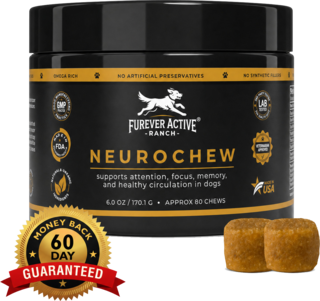
Support your dog's brain health with NeuroChew
NeuroChew is our daily soft chew for dogs, made fresh in the USA. See the ingredients and how it fits into a healthy daily routine.
Learn more about NeuroChew