Senior Dog Care
A Guide to Understanding Dog Sleep Aggression


It’s a truly jarring moment. Your beloved dog, who you adore, growls or snaps simply because you woke them up. We understand. This reaction, often called dog sleep aggression or a sleep-startle reflex, is almost always an involuntary response. It’s driven by surprise, not a conscious choice to be aggressive.
Knowing this is the first step. It allows you to shift from feeling hurt to approaching the situation with empathy and a desire to find gentle solutions for your journey together.
A Heartbreaking Moment: Understanding Sleep Aggression
If you're feeling worried, confused, or even a little betrayed after your dog snapped at you, please know you are not alone. It’s a gut-wrenching experience, and it's completely normal to question your bond. We get it.
But this behavior is rarely about intentional malice. Think of it more as a signal that something deeper is going on with your dog. It's a primal reaction, not a rejection of your relationship.
Imagine being shaken awake from a deep sleep. Your first sensation isn't clear-headed thought—it's confusion, maybe even a jolt of alarm. For a dog, that instinct is magnified. Their brain, still half-stuck in a dream, can easily misinterpret a sudden touch as a threat long before they have a chance to recognize it’s you. It’s a hardwired protective mechanism that has served their ancestors for millennia.
What This Really Means for Your Dog
This sudden aggression is often a cry for help. Your dog isn’t trying to be "bad." In fact, they might be communicating something important that they have no other way to express. It's our job as their guardians to put on our detective hats and figure out the cause.
Some of the most common underlying reasons include:
- A simple startle reflex: Just a knee-jerk, instinctual reaction to being woken unexpectedly.
- Underlying pain: Hidden discomfort from conditions like arthritis can turn a gentle touch into a painful one.
- Age-related changes: Senior dogs, particularly those with cognitive decline, can become disoriented and confused easily. You can learn more about identifying these subtle shifts in our guide to why your dog is acting weird.
- Anxiety or insecurity: A dog who already feels vulnerable might be quicker to react defensively when startled from sleep.
The most important thing to remember is that this behavior doesn’t mean your dog loves you any less. It’s a sign that their need for security, comfort, or clarity isn't being fully met during their most vulnerable moments.
This guide is here to walk you through the "why" with genuine empathy. Together, we'll explore the practical steps you can take to manage these situations, ensure everyone's safety, and rebuild a sense of peace and trust in your home. The journey starts with understanding, not blame.
Uncovering the Roots of Startle Aggression
To find a gentle path forward, we first need to understand where this behavior is coming from. Think about being shaken from a deep, vivid dream—your own reaction is likely one of disorientation and alarm. For our dogs, this feeling can be amplified, triggering a primal response long before they even recognize you.
Becoming a loving detective for your dog is the first step. When we connect their reactions to what they might be feeling, we can start to piece together the puzzle with empathy and support.
This image really captures that journey—from a worried owner observing the behavior to questioning the root cause, which is where real progress begins.

Let's dig into the most common reasons a dog might react aggressively when woken up.
The Simple Startle Reflex
At its most basic level, dog sleep aggression is often just a sleep-startle reflex. This is a hardwired, involuntary survival instinct. In the wild, an animal that could react instantly to a potential threat—even from a deep sleep—had a much better chance of staying alive.
This isn't a conscious choice or a reflection of your bond. It's a lightning-fast "defend first, ask questions later" response from a brain that's still half-asleep and disoriented. It’s their primal brain kicking in before their loving, familiar brain has a chance to catch up.
When Pain Is the Culprit
Sometimes, the real problem is physical pain. An unexpected touch on a sore joint can feel like a sudden shock, prompting a defensive reaction out of pure instinct.
This is especially common in senior dogs or breeds prone to certain conditions.
- Arthritis: A gentle pat on the back or hip can cause a jolt of pain to a dog with sore joints, leading to a snap or growl.
- Ear Infections: A dog with a painful ear infection might react aggressively if their head is touched while they're sleeping.
- Dental Issues: Hidden pain in the mouth can make a dog extremely sensitive to any touch near their face.
If the behavior is new or feels out of character, a thorough vet check-up is the most important first step. Addressing underlying pain can often resolve the aggression entirely.
Resource Guarding a Favorite Spot
Does your dog have a favorite armchair or a specific corner of the bed they claim as their own? Sometimes, what looks like sleep aggression is actually resource guarding of a prized resting spot. The dog sees their bed as a high-value possession and is trying to protect it.
This behavior is more common than many owners realize. In fact, a large survey revealed that around 20% of pet dogs show some form of resource guarding, which often includes their sleeping areas. This form of possessiveness can be influenced by breed, age, and training history.
A key takeaway here is that your dog isn't trying to be dominant; they're feeling insecure. They are worried they might lose access to their safe, comfortable space.
Age-Related Confusion and Cognitive Changes
For our senior dogs, the world can become a more confusing place. Canine Cognitive Dysfunction (CCD), which is very similar to Alzheimer's in humans, can cause disorientation, anxiety, and changes in the sleep-wake cycle.
A senior dog with CCD might wake up and not immediately recognize where they are or who you are. This confusion can easily lead to fear, which then manifests as a defensive growl or snap. They aren't rejecting you; they are momentarily lost and scared.
Deeper Neurological Issues
In some less common cases, sudden aggression during sleep can be linked to underlying neurological problems. Conditions affecting the brain can cause unpredictable behavioral changes, including what looks like unprovoked aggression.
These events might feel more intense or unusual than a typical startle. If you notice other signs like seizures, circling, or a vacant stare, it’s critical to seek veterinary guidance. These symptoms can point to more complex health issues that need professional evaluation. Our guide offers more information on how to identify potential dog neurological issues.
To help you sort through these possibilities, here’s a quick-reference table that breaks down what each issue might look like.
Common Causes of Aggression When Waking a Dog
| Potential Cause | What It Looks Like | Best First Step |
|---|---|---|
| Startle Reflex | A very quick, explosive reaction (snap, growl) that ends almost as fast as it began. The dog often seems confused or apologetic afterward. | Call your dog's name gently from a distance before approaching or touching them while they're asleep. |
| Underlying Pain | The aggression happens when you touch a specific area (like hips or ears). The dog might also be limping or showing other signs of discomfort when awake. | Schedule a complete physical exam with your veterinarian to rule out or diagnose a medical condition. |
| Resource Guarding | The dog growls as you approach their sleeping spot, even before you touch them. They might stiffen up or give you a hard stare. | Work with a certified behavior consultant to address the insecurity behind the guarding behavior. |
| Cognitive Dysfunction | Mostly seen in senior dogs. The reaction seems rooted in confusion; they may not recognize you for a moment. Often paired with other signs like pacing or anxiety. | Talk to your vet about CCD. There are diets, supplements, and medications that can help support symptoms. |
| Neurological Issue | The aggressive event seems completely unprovoked and out of character. It might be accompanied by seizures, vacant staring, or other unusual behaviors. | Seek immediate veterinary attention for a full neurological workup. |
Seeing this behavior can be unsettling, but remember, there's always a reason behind it. By identifying the root cause, you can take the right steps to help your dog feel safe and secure again.
How to Read the Early Warning Signs
Long before a dog ever growls or snaps, they're almost always trying to tell us something is wrong in much quieter ways. We know that deeply unsettling feeling when you can't figure out what your dog is trying to say. Learning to spot these subtle signals is one of the most important things you can do to prevent sleep aggression before it starts.
Think of it as learning your dog's native language. When you can do that, you shift from just reacting to a scary situation to proactively making sure they feel safe and have the space they need. It shows your dog, "I hear you, and I've got your back," which is the foundation of real trust.

The Subtle Language of Discomfort
Dogs are masters of body language, but we often miss their earliest warnings because they're so understated. These signals aren't about dominance or defiance; they're simply requests for space and a plea for understanding. Catching these quiet moments can change everything.
Keep an eye out for these common early cues as you approach your dog's resting spot:
- A Sudden Freeze: Your dog abruptly stops all movement as you get closer, their body going completely still and rigid. This isn't calm—it's a sign of high alert and anxiety.
- Lip Licking or Yawning: When there’s no food in sight, repeated lip licking or a big, out-of-place yawn are classic signs of stress. It's a dog's way of trying to calm themselves down in an uncomfortable situation.
- A Low, Rumbling Growl: Many people jump straight to thinking this is aggression, but it’s actually crystal-clear communication. Your dog is saying, "I'm really not okay with this, please stop."
Understanding Whale Eye
One of the most critical signals to learn is "whale eye." This happens when a dog turns their head away but keeps their eyes locked on you, showing the whites of their eyes (the sclera) in a crescent moon shape. It's an unmistakable sign of anxiety and fear.
They aren't giving you "side-eye" or being sassy. A dog showing whale eye feels trapped and is worried about what you might do next. Recognizing this gives you the perfect opportunity to simply back away and let the tension dissolve before it has a chance to escalate.
We see you. That moment you finally notice your dog’s quiet plea for space can feel heavy. But seeing it is a huge step. Small improvements in understanding their language can mean everything for your life together.
When you learn to spot these signs, you're doing more than just avoiding a potential bite. You're honoring what your dog is trying to tell you. You're showing them that you see their discomfort and respect their need to feel secure. This simple act of observation is one of the most powerful ways to strengthen your bond and create a more peaceful home.
Creating a Safe Haven for Your Dog
Alright, we’ve dug into the "why" behind sleep aggression. Now, let’s talk about the practical, gentle steps you can take to manage it. This whole process is about building a foundation of safety and rebuilding trust, and the best way to start is by creating a secure environment for your dog.
The most important rule is often the simplest one, a piece of wisdom that’s been around forever: let sleeping dogs lie. This isn't about keeping your distance or loving your dog less. It’s about showing them profound respect when they're most vulnerable, which is the single best way to prevent an aggressive reaction before it ever happens.

Designating a True Safe Zone
First things first: your dog needs a dedicated "safe zone"—a spot that is 100% theirs, where they are guaranteed to never, ever be bothered. This is more than just a dog bed; it's their personal sanctuary.
Think of it as their own private bedroom. You wouldn't just barge in without knocking, right? The same idea applies here. This space should be in a low-traffic part of your home, far from the chaos of doorways, hallways, or the main route through the living room. A quiet corner or a cozy crate can work wonders.
We know how much we want our dogs right by our side. But giving them a place to truly unwind without worrying about being bumped or startled is one of the greatest acts of love and protection you can offer.
The key to making this work is consistency. Everyone in the house has to respect this space, all the time. When your dog is in their safe zone, they're completely off-limits. No petting, no cuddling, no disturbances.
Teaching the Household Rules
For the safe zone to be effective, the entire family has to be on board. This is especially important in homes with kids, who might not naturally grasp a dog's need for personal space.
Call a family meeting and lay down the new rule in simple, clear terms: "When Fido is in his bed, we leave him alone. That's his quiet place." Frame it not as a punishment, but as a way to help your dog feel safe and happy. For senior dogs struggling with cognitive changes, this kind of predictability is incredibly reassuring. You can learn more about this in our guide on how to help a dog with dementia.
A peaceful home also means making sure your dog gets plenty of physical and mental exercise. One study in Northern Italy found that dogs who weren't exercised regularly were significantly more prone to aggression, highlighting just how crucial daily activity is for a balanced mind. You can check out the full study about these dog aggression findings.
Gentle Techniques for Waking Your Dog
Of course, life gets in the way. Sometimes you absolutely have to wake your dog, whether it's for a vet appointment or because you need to head out. How you do this is critical. The goal is to rouse them gently, without setting off that hair-trigger startle reflex.
NEVER touch, poke, or shake your dog to wake them up. This is, by far, the most common trigger for a sleep-startle incident.
Instead, try one of these hands-off approaches:
- Use Your Voice: Stand a few feet away and call their name in a soft, happy tone. Slowly get a little louder until you see them begin to stir.
- Create a Vibration: If your dog is hard of hearing, lightly stomp on the floor a few feet from them. The vibration is often just enough to wake them without a sudden jolt.
- Appeal to Their Nose: A dog's sense of smell is incredibly powerful. You can quietly open a bag of their favorite treats nearby or waft something extra-tasty (like a tiny piece of cheese) in their direction. Waking up to a wonderful smell is a much better experience.
By putting these strategies into practice, you’re doing more than just managing a behavior—you're actively showing your dog that you are their protector. You're reinforcing your bond by proving, in a way they understand, that their comfort and safety are your priority. Every time you honor their space, you're making a deposit in your bank of mutual trust.
Knowing When to Call for Professional Support
Deciding to bring in a professional isn't a sign of failure—it's a sign of your deep commitment to your dog's well-being. It's a brave and loving step to admit you need help, and you don't have to navigate this complicated situation on your own.
Your first call should always be to your veterinarian. Before you can even begin to address this as a behavioral problem, you have to rule out any underlying medical issues. Pain is a huge trigger for aggression, so a complete physical exam is the essential starting point for figuring out what's really going on with your dog's sleep aggression.
Your Professional Support Team
Once you've ruled out medical causes, it's time to find the right behavioral expert. This is critical because aggression isn't something a general obedience trainer can handle; it requires a specialist.
You'll generally be looking at two types of professionals:
- Certified Dog Trainers: A good trainer can be a huge asset, but you need to find one who specializes in behavior modification, particularly aggression. Look for certifications like CPDT-KA and ask specifically about their experience with these types of cases.
- Veterinary Behaviorists (DACVB): These are the top experts in the field. A DACVB is a veterinarian who has completed years of additional, specialized training in animal behavior. They are uniquely qualified to diagnose complex issues, develop a comprehensive behavior plan, and prescribe medication when necessary.
Preparing for Your Appointment
To get the most out of your consultation, a little bit of prep work can make a world of difference. Your goal is to give the professional a clear, accurate picture of what's been happening.
Start a log of every incident. Note the date, time, and exactly what was going on right before the aggressive reaction occurred. What did the reaction itself look like? If you can do it safely from a distance, recording an episode on your phone provides invaluable visual context for the expert.
You’re not alone on this journey. Seeking guidance is a proactive way to support your dog and maintain the loving bond you share. It’s about getting the right tools to ensure everyone feels safe and comfortable.
Aggression is a complex puzzle with pieces rooted in genetics, past experiences, and a dog's emotional state. We know from clinical studies that things like poor socialization or deep-seated fear can make a dog much more likely to react defensively, especially when startled from sleep.
Sometimes, a behavior plan will include medication to lower a dog's baseline anxiety, which can make them much more receptive to training. You can learn more by understanding canine anxiety meds. And while no one wants to think about it, if a bite does occur, knowing the immediate steps to take after a dog bite injury is crucial. Taking these proactive steps shows just how dedicated you are to creating a safe and effective plan for your best friend.
Supporting Your Dog's Brain and Body Comfort
When you're trying to help your dog, especially as they get older, a holistic approach is key. Getting to the root of sleep-related aggression means looking at both their mental sharpness and their physical comfort—the two are completely intertwined.
A senior dog who suddenly growls or snaps isn't making a malicious choice. More often than not, it’s an automatic reaction born from a moment of confusion or a sharp, unexpected pain. By supporting your dog’s brain health, you can help ease the anxiety and disorientation that so often fuel dog sleep aggression, building a calmer foundation from the inside out.

Promoting Mental Clarity and Calm
If you've found yourself doing those 3 AM searches about the subtle changes in your old friend, you're not alone. A dog struggling with cognitive decline might wake up and, for a frightening second, not know where they are or even recognize you. That flash of confusion is a very common trigger for a defensive reaction.
We know you just want to give them more good days, filled with happy recognition and a sense of peace. This is where the right kind of nutritional support can genuinely help.
Small improvements matter. A night slept peacefully, a moment of clear recognition when you walk in the room—these are the wins we celebrate together on this journey.
Specific natural ingredients have shown real promise in supporting brain health and promoting calm behavior. Think of nutrients that support brain cells and encourage healthy circulation—these can help your dog feel less "lost" and more secure. We have a detailed guide explaining how cognitive supplements for dogs can support their mental clarity.
The Importance of Physical Comfort
Beyond a clear mind, physical comfort is non-negotiable. A dog in constant pain will understandably have a shorter fuse, particularly when startled awake. An accidental touch on a sore hip can feel like an attack, triggering an instinctive snap to protect themselves.
Making their environment as comfortable as possible is one of the most direct and loving ways you can address this.
- Provide an Orthopedic Bed: A quality, supportive bed does wonders for aching joints and stiffness. This makes waking up far less likely to be associated with a jolt of pain.
- Maintain a Healthy Weight: Every extra pound puts more strain on their joints. Keeping your dog lean is one of the single best things you can do to manage their discomfort.
- Ensure Non-Slip Surfaces: Simply adding rugs or runners to slippery floors can help a senior dog feel much more stable, reducing the constant, low-level stress of a potential fall.
Of course, managing your dog's comfort means directly addressing any underlying pain. If your dog is stiff and sore after resting, talking to your veterinarian about the best medicine options for dog arthritis relief can be a total game-changer. By nurturing both their mind and body, you’re creating a true sanctuary where they feel safe enough to finally rest in peace.
Your Questions About Dog Sleep Aggression Answered
Navigating this journey with your dog can feel overwhelming, and it's natural to have a lot of questions. We understand the worry that drives those late-night searches for answers. Below, we’ve tackled some of the most common concerns we hear from pet parents just like you, offering some clarity and realistic hope.
Can Dog Sleep Aggression Be Addressed?
It’s more helpful to think in terms of management and support rather than a "cure." When we see dog sleep aggression, our real goal is to figure out the root cause and then create a peaceful environment where the behavior simply isn't triggered anymore. It's a journey focused on creating more good days together.
For example, if the aggression is a reaction to arthritis pain, that underlying condition might not go away. However, the aggressive reactions themselves can often be managed so successfully that they stop happening. We measure progress in peaceful nights and a restored sense of security for everyone in the home.
Did I Do Something to Cause This Behavior?
We hear this question all the time, and it always comes from a place of deep love and concern. While it’s completely understandable to feel responsible, please know this is almost never the owner's fault.
Sleep aggression usually stems from something your dog can't control—deep-seated instinct, a painful medical condition, or neurological changes that come with age. The fact that you're here, seeking answers, proves you're a wonderful, caring owner. This is about understanding your dog’s needs, not about placing blame.
You're not alone in feeling this way. Remember, this behavior is a signal from your dog, not a judgment of your love or care.
How Do I Safely Wake My Dog if I Have To?
The top priority is keeping both you and your dog safe. The golden rule here is to never use your hands to touch or shake them awake. This is the single most common trigger for a defensive, startle reaction.
Instead, try one of these gentle, hands-off methods:
- Call their name softly from a safe distance.
- For dogs with hearing loss, stomp your foot lightly a few feet away. The vibration can rouse them without a sudden shock.
- Toss a high-value, smelly treat near their nose. Waking up to something wonderful can make all the difference.
These small changes show your dog you respect their space and are dedicated to helping them feel secure, even when they're at their most vulnerable.
At Furever Active, we believe that supporting your dog's cognitive health is a key part of maintaining their comfort and clarity, especially in their golden years. Our NeuroChew™ supplement is designed to support brain function and healthy circulation, helping your dog enjoy more good days with you. Explore how we can support your journey together.
Get practical dog wellness tips by email
Occasional, useful guidance on keeping your dog healthy and happy. Unsubscribe anytime.
No spam. We respect your inbox.
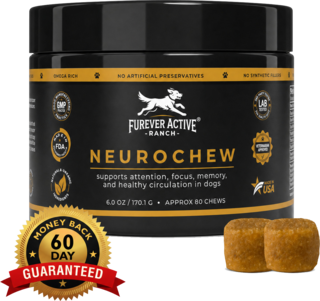
Support your dog's brain health with NeuroChew
NeuroChew is our daily soft chew for dogs, made fresh in the USA. See the ingredients and how it fits into a healthy daily routine.
Learn more about NeuroChew