Why Is My Dog Acting Weird All of a Sudden?
It often starts with something small. Your dog stood at the water bowl, confused about why they were there. Maybe they're staring blankly at a wall, seem puzzled by a favorite toy, or just can't seem to settle down at night. These aren't just random quirks; they’re signals, your dog's way of telling you something has shifted in their world. We understand that figuring out the "why" is the first step to helping them.
That Unsettling Feeling When Your Dog Acts Weird
If you've found yourself doing one of those 3 AM searches for "why is my dog acting weird," you know the feeling. It’s a quiet, creeping worry that comes from a place of deep love. You know your best friend better than anyone, and suddenly, they can seem like a stranger in their own home.
You might see them stand at the back door, only to forget why they wanted to go out, turning back with a look of confusion. It’s heartbreaking. Those moments leave you wondering what's going on and feeling helpless. You're not alone in this.
But here’s the thing to hold onto: this is not about jumping to the worst-case scenario. It’s about learning to read the messages your dog is sending. Every strange action is a clue, a tiny piece of the puzzle about how they're feeling right now. When you start paying close attention, you turn that worry into loving action.
This simple breakdown shows the three main roads that often lead to these behavioral shifts.

As you can see, the same behavior can spring from very different roots. That’s why becoming a gentle, curious observer is the most powerful thing you can do.
The Three Main Reasons for Weird Behavior
More often than not, these sudden behavioral changes can be traced back to one of three big areas. Knowing what they are helps you connect the dots and have a much clearer conversation with your vet.
- Hidden Pain: Dogs are incredibly stoic and often hide their pain instinctually. What looks like crankiness or a new fear might be their only way of saying, "I hurt." It could be anything from a sore tooth to stiff, arthritic joints.
- Environmental Stress: Our dogs are sensitive to their surroundings. A new baby, a recent move, or even a change in your work schedule can throw them off-kilter. This stress can bubble up as odd behaviors like hiding or obsessive licking.
- Cognitive Changes: Just like us, dogs' brains change as they get older. Canine Cognitive Dysfunction (CCD), similar to dementia in humans, can affect their memory and awareness. This can lead to getting lost in familiar places, forgetting commands, or disrupted sleep.
To help you get started, we've put together a quick reference table. Think of it as a field guide to decoding your dog's actions and understanding what might be happening beneath the surface.
Quick Guide to Common Strange Behaviors
| Behavior You Are Seeing | Potential Medical Cause | Potential Behavioral Cause | Potential Cognitive Cause |
|---|---|---|---|
| Pacing or Restlessness | Arthritis, bladder issues, chronic pain | Anxiety, boredom, lack of exercise | Sundowning, confusion |
| Staring at Walls/Corners | Vision problems, neurological issue | Compulsive behavior, seeking attention | Disorientation, getting "stuck" |
| Sudden Aggression/Irritability | Dental pain, injury, thyroid problems | Fear, resource guarding, new stressor | Confusion, anxiety from not recognizing people |
| House Soiling Accidents | UTI, kidney disease, diabetes | Separation anxiety, marking territory | Forgetting house-training, loss of control |
| Not Responding to Name | Hearing loss, ear infection | Distraction, "selective hearing" | Cognitive decline, can't process command |
| Getting "Lost" in House | Vision loss, neurological condition | Fear (e.g., of a specific room/object) | Spatial disorientation from CCD |
This table isn't for diagnosing, but for observing. By noting what you see, you gather valuable information that will be incredibly helpful when you talk to a professional.
We measure progress in peaceful nights and moments of recognition. Small improvements can mean everything on this journey, and they all start with understanding.
Your goal isn’t to become a vet overnight. It's about becoming an even more tuned-in partner for your dog. By simply recognizing these possibilities, you’re already taking the most important step—one that leads to comfort, support, and more good days together.
Get Your FREE Dog Brain Health Guide
Get instant FREE access to today's top ways to help your best friend live a longer, healthier, happier life.
- 39 value-packed pages of expert insights
- Early-detection tips for cognitive decline
- Top brain-boosting superfoods
- Vet-approved mental sharpness strategies
- Fun IQ tests for your dog
Could Hidden Pain Be the Reason for Strange Behavior?

Before we dive into anything else, we have to start here. Dogs are absolute masters at hiding their discomfort—it’s a survival instinct left over from their wild ancestors, where showing any sign of weakness was a huge risk. So what you’re seeing as a sudden, weird personality change might just be your dog's only way of telling you something hurts.
That new grumpiness when you go to pick them up? The hesitation before they jump on the couch? These are often whispers of pain, not acts of defiance. Think about it: if your own shoulder was sore, you'd probably flinch if someone bumped into it. A dog's sudden snap or growl is often the very same reaction.
Becoming a Pain Detective
Your job isn't to diagnose the problem yourself, but to gather the clues for your vet. Paying close attention to these subtle shifts can make all the difference, because you know your dog's daily rhythm better than anyone. You're in the perfect position to notice when something is off.
When you start looking through the lens of potential pain, those strange behaviors often begin to make a lot more sense. They aren't random; they're reactions.
Here are some of the most common signs that point to hidden pain:
- Reluctance to be touched: Does your dog suddenly shy away from pets on their back or head? This could signal anything from joint discomfort to painful dental issues.
- New aggression around food: If your dog starts guarding their food bowl, it might be because bending down to eat is painful, making them anxious about mealtime.
- Excessive licking: Constantly licking a paw, leg, or another spot is often a dog's way of trying to soothe a sore area, much like we’d rub a sore muscle.
- Changes in posture: A hunched back, a tucked tail, or holding their head low are all classic physical signs that your dog may be uncomfortable.
Common Sources of Hidden Pain in Dogs
Pain can come from anywhere, but a few culprits are more common than others, especially as our dogs get older. Just knowing what they are can help you connect the dots between the behavior you're seeing and a potential physical cause.
Arthritis and Joint Discomfort
This is one of the most frequent sources of chronic pain in dogs. It can turn simple acts like lying down, getting up, and climbing stairs into a painful chore. That reluctance to go for a walk might not be stubbornness—it could be the anticipation of aching hips or knees. Supporting their joint health is a cornerstone of keeping them comfortable, and our guide on glucosamine dog chews offers more insight into this kind of gentle support.
Dental Issues
A sore tooth or infected gums can make a dog absolutely miserable. They might suddenly refuse to eat hard kibble, drop toys they used to love, or become head-shy. Because they can't point to their mouth and tell you it hurts, their discomfort often comes out as general irritability or a sudden loss of appetite.
You're not imagining it, and you're not alone. That quiet worry you feel is a testament to the love you share. Trusting your gut instinct that something is wrong is the very first step toward finding a solution.
Gastrointestinal Upset
Stomach pain from things like food sensitivities or other internal problems can lead to restlessness, a hunched posture, or a lack of interest in food and play. It’s an invisible discomfort that can dramatically alter their daily behavior.
Weight also plays a huge role in your dog's comfort. Extra pounds put more strain on their joints and can cause a general lethargy. In fact, nearly 35% of dog owners reported their pets as overweight or obese, which can reduce activity and cause irritability that owners might just see as "weird" behavior. You can discover more surprising stats for dog parents in this insightful report from WildEarth.
By documenting what you see—when the behavior happens, what seems to trigger it, and any physical changes you notice—you can give your vet a clear, detailed picture. This team approach is the kindest and most effective way to figure out why your dog is acting weird and get them the comfort they truly deserve.
Decoding Anxiety and Environmental Stressors

Sometimes, weird dog behavior has nothing to do with physical pain. It’s all about their emotional world. Dogs are incredibly sensitive creatures, and what seems like a minor tweak to our routine can feel like an earthquake to them. Their home is their sanctuary, and when that sanctuary feels off, their behavior is often the first thing to change.
If you think your dog's world has been turned upside down, you're probably right. A new baby, a different work schedule, or even the constant drone of construction next door can be profoundly unsettling. These shifts can trigger their internal alarm system, leading to behaviors that leave you feeling worried and confused.
Common Environmental Triggers for Anxiety
Dogs don't just like routine; they thrive on it. Predictability is comfort. When their daily schedule gets scrambled, it can create a deep sense of instability that shows up in ways you might not expect. They can’t use words to tell you they’re stressed, so they show you with their actions.
Watch for behaviors like:
- Destructive Chewing: A dog that suddenly starts gnawing on furniture isn't being bad. They're often trying to relieve anxiety, much like a person might nervously fidget.
- Sudden House Soiling: Has your perfectly house-trained dog started having accidents? It’s rarely defiance. More often, it’s a physical symptom of overwhelming stress or fear.
- Hiding or Clinginess: Some dogs will retreat and hide to feel safe, while others become your velcro-dog shadow, desperately seeking reassurance. Both are clear signs they feel insecure.
These behaviors are surprisingly common. One major study found that a staggering 85.9% of dogs showed moderate to severe issues with separation anxiety. If you're dealing with this, you are far from alone.
Creating a Calmer, More Stable World
The good news is that you can often support your dog through these issues with a big dose of patience and understanding. Your main goal is to help your dog feel secure again and reinforce the idea that their home is still a safe place. The best way to do that is by re-establishing a sense of normalcy in their daily life.
One of the most powerful tools you have is routine. Stick to regular feeding times, predictable walk schedules, and consistent play sessions. This structure becomes an anchor for your dog in what feels like a chaotic world, helping them realize that the most important parts of their day are still reliable.
We know how heartbreaking it is to see your best friend so unsettled. Remember that small, consistent steps toward creating a stable environment can make a world of difference in helping them find their footing again.
When you're trying to soothe an anxious dog, creating a safe space is non-negotiable. Providing a dedicated spot with something like one of the best dog beds for anxiety can give them a personal haven to retreat to when they feel overwhelmed. This simple addition can be a game-changer.
Practical Strategies for Soothing Your Dog
Beyond routines and cozy beds, there are other gentle things you can do to support your dog. Think of these as small deposits into their "comfort bank"—they build up confidence over time. Above all, your calm, reassuring presence is the most powerful tool you have.
For a deeper dive into this topic, our complete guide offers more strategies for handling dog anxiety.
Here are a few simple ideas to get you started:
- Introduce Changes Slowly: If a new partner or roommate is moving in, manage the introductions carefully. Use lots of positive reinforcement like high-value treats and praise to build good associations.
- Use Calming Enrichment: Activities that engage their powerful nose—like "sniffaris" on walks where they lead the way or simple scent games at home—are naturally calming and help lower stress hormones.
- Avoid Over-Reassurance: It's tempting to smother a scared dog with petting and "it's okay!" cooing. But sometimes, this can accidentally reinforce their fearful state. Instead, project calm confidence to show them through your own body language that there's nothing to worry about.
By focusing on building a stable, predictable, and comforting world, you can help your dog navigate these emotional hurdles. Your patience and empathy will not only help them feel better but will also strengthen your bond, showing them that no matter what changes, your support is one thing they can always count on.
Navigating Age-Related Cognitive Changes
For so many of us with senior dogs, this is the concern that hits the hardest. It’s that quiet moment when your old friend stands over their water bowl, looking confused about why they’re even there. Or when they get stuck behind the sofa, seemingly unable to figure out how to back up. These moments are unsettling, and they can plant a seed of deep worry in your heart.
You're not alone in those late-night internet searches, trying to make sense of it all. Seeing the dog who has been your constant shadow for a decade suddenly seem lost in their own home is just plain painful. It's so important to remember that these changes aren't a reflection of your care—they are often a natural, albeit difficult, part of a long life well-lived.
Just like with people, a dog's brain changes with age. Over the years, that intricate network of neurons controlling memory, awareness, and learning can become less efficient. This isn't some sudden failure; it's a gradual shift. Understanding what’s happening is the first step toward providing the right kind of gentle support.
Recognizing the Signs of a Cognitive Shift
When you're asking, "why is my dog acting weird," it helps to know what cognitive changes actually look like. They often sneak up on you as small, out-of-character behaviors that are easy to brush off as just "getting old." But paying close attention to these patterns is the key to truly understanding what your dog needs from you now.
These shifts usually fall into a few common categories:
- Disorientation: This is one of the most classic signs. You might see your dog forgetting familiar routes on your daily walk, struggling to navigate around furniture, or just staring blankly at a wall as if they’ve forgotten where they are.
- Changes in Interaction: Your once-social butterfly might seem more withdrawn and show less interest in being petted or playing. On the flip side, a previously independent dog could become unusually clingy and follow you everywhere, seeking constant reassurance.
- Sleep-Wake Cycle Disruption: Are your nights suddenly restless? Many senior dogs with cognitive changes experience what’s known as "sundowning." They may become more anxious, vocal, or start pacing as evening falls, often continuing through the night.
- House Soiling: A dog who has been perfectly house-trained for years might suddenly start having accidents indoors. This isn’t defiance. More often than not, it's because they’ve forgotten the rules, can't signal their need to go out in time, or have simply lost some physical control.
You're not just seeing things. These subtle changes deserve your attention. Acknowledging them for what they are—a call for support—transforms your worry into loving, proactive care.
This is a journey that requires a deep well of patience and compassion. For a more detailed look at these signs, our guide on recognizing symptoms of cognitive decline in dogs offers even more clarity and comfort.
The Science of an Aging Brain Made Simple
So, what’s actually going on inside your dog's head? A simple way to think about it is to picture their brain as a busy communication network. In a young dog, messages zip along super-fast. As a dog gets older, that network can start to experience a few slowdowns.
Reduced blood flow can mean fewer nutrients and less oxygen are reaching brain cells, making it harder for them to function. On top of that, the buildup of certain proteins can create "roadblocks," disrupting the signals that control memory and learning. This is exactly why a dog might suddenly forget a command they’ve known their entire life.
It's not that they're being stubborn; it's that the message is literally getting lost in transit. This is where gentle, targeted support can make a world of difference. We can't build a whole new network for them, but we can absolutely help maintain the existing one and support brain cell health.
Realistic Optimism and the Path Forward
Seeing these changes can feel completely overwhelming, but it’s so important to focus on what you can do. This isn't about finding some miracle cure or trying to reverse the aging process. It’s about focusing on a much more meaningful and achievable goal: more good days together.
Every small improvement is a victory worth celebrating. A peaceful night's sleep, a flicker of recognition when you walk through the door, or a renewed interest in a favorite old toy—these are the wins that truly matter. They are tangible signs that the support you're providing is helping maintain your dog's mental clarity and comfort.
Your dog gave you their best years, full of unconditional love and tail wags. Now, you have the beautiful opportunity to give them yours by navigating this chapter with grace, understanding, and the best supportive care possible. Every small action you take reinforces that unbreakable bond, ensuring their golden years are filled with as much comfort and love as you can possibly give.
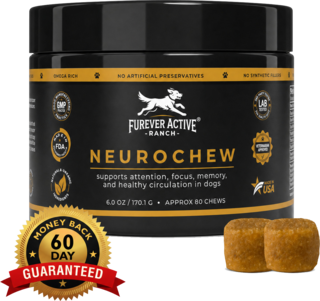
Support Your Dog's Brain Health with NeuroChew™
As mentioned in this article, NeuroChew is the first dog chew designed to support both cognitive function and healthy circulation. Perfect for dogs showing early signs of cognitive decline or for proactive brain health support.
Practical Ways to Support Your Dog

Watching your best friend struggle is heartbreaking. It's easy to feel helpless. But you can channel that worry into loving, practical action. When you're trying to figure out why your dog is acting weird, focusing on support is the single most powerful thing you can do.
This isn't about finding some miracle cure. It's about making small, meaningful tweaks to their daily life that add up to a big difference—more comfort, less confusion, and more good days together.
Let’s be honest, progress might look different now. A peaceful night's sleep, a flicker of happy recognition, or just navigating the house without stumbling—these are huge wins. Here’s how you can start making them happen.
Create a Safe and Predictable Environment
For a dog who feels confused, the world can suddenly seem like a scary, unpredictable place. Your most important job is to make their home feel safe and consistent again. Think of it as adding gentle guardrails to their world.
You’d be amazed at what a few simple changes can do for their confidence and comfort. The goal is to remove the physical and mental hurdles that cause stress or could lead to an accident.
A few easy adjustments to their space can go a long way:
- Light the Way: Place a few night lights in hallways and near their bed. This simple step can make a world of difference for navigating in the dark.
- Prevent Slips: Add non-slip rugs or runners to slick floors. Good traction is crucial for preventing falls and the fear that comes with them.
- Keep Things Consistent: Don’t rearrange the furniture. Make sure their food, water, and bed are always in the same spot. This predictability is a lifeline for a disoriented dog.
- Lean on Routine: Dogs thrive on knowing what comes next. Stick to a solid schedule for meals, walks, and potty breaks. This rhythm acts as a comforting anchor when their inner world feels chaotic.
If house-soiling has become an issue, knowing how to effectively clean dog urine from carpets is essential for keeping your home clean and stress-free for everyone.
Nurture Their Mind with Gentle Enrichment
Keeping your dog's mind engaged is still vital, but the approach needs to change. We're aiming for gentle stimulation, not complex tasks that could lead to frustration. Think less about demanding training sessions and more about simple, fun brain games.
These activities are about more than just mental exercise; they’re a beautiful way to connect and share moments of joy and clarity.
You’re not alone on this journey. Small, consistent actions are the foundation of loving support. Every gentle game and predictable mealtime is a message to your dog that they are safe and cared for.
Here are a few ideas to get you started:
- Go on a "Sniffari": Let your dog lead the walk. Give them all the time they want to stop and sniff everything. This is incredibly calming and provides fantastic mental exercise on their terms.
- Play Simple Scent Games: Hide a few smelly, high-value treats under a blanket or in a snuffle mat. Letting them use their nose to find a reward is a low-pressure way to tap into their natural instincts.
- Use Easy Puzzle Toys: Swap out the regular food bowl for a simple food-dispensing toy. It turns mealtime into a fun, engaging activity that gets their brain working.
Support Their Brain Health Through Nutrition
Just as you're adjusting their physical world, you can also support their internal world. An aging brain has unique nutritional needs to maintain its complex functions. Bolstering their cognitive health from the inside out is a key part of caring for the whole dog.
This is where nutritional science can be a quiet but powerful ally. Specific natural compounds have been shown to support cognitive function, help with mental clarity, and keep brain cells communicating effectively.
It's about giving their brain the building blocks it needs to function at its best. This is especially helpful for easing the anxiety that often comes with confusion. For more on this, you can check out our guide on natural supplements for dog anxiety.
By focusing on these three areas—environment, enrichment, and nutrition—you're building a powerful support system for your dog. Your love and proactive care are the most important tools you have to help them navigate this chapter with dignity.
Here is a quick checklist to help you get started on making these positive changes today.
Your Actionable Support Checklist
| Area of Support | Simple Action Steps to Take | How This Action Helps Your Dog |
|---|---|---|
| Physical Comfort | Place non-slip rugs on slick floors. Add night lights in key areas. Keep their bed, food, and water in a consistent spot. | Reduces the risk of falls, eases nighttime navigation, and provides a sense of stability. |
| Emotional Security | Stick to a predictable daily routine for meals, walks, and bedtime. Offer gentle, reassuring physical contact. | Creates a sense of safety and predictability, which lowers anxiety and confusion. |
| Cognitive Health | Introduce easy puzzle toys or snuffle mats for meals. Let them enjoy long "sniffaris" on walks. | Provides low-stress mental stimulation, engages their natural instincts, and helps keep their mind active. |
Putting even one or two of these simple actions into place can make a tangible difference in your dog's quality of life, reaffirming your bond and their sense of security.
Real Results: How NeuroChew Helped Brutus Regain His Mental Clarity
Brutus was getting disoriented at night. After starting NeuroChew, he's more happy during the day and steady at night. He's back to his old self!
Knowing When to Talk to Your Veterinarian
As much as you do for your dog at home, your veterinarian is your most important partner on this journey. You know your dog’s daily habits and quirks better than anyone. If your gut is telling you something is genuinely wrong, trust that feeling. A quick trip to the vet can bring clarity and, most importantly, peace of mind.
Certain behaviors are more than just a passing mood. They're signals that it’s time to get a professional opinion. You’re never overreacting by reaching out for help when you spot these signs.
When to Make the Call
It's time for a conversation with your vet if the strange behavior is:
- Sudden and Severe: Think of a drastic, overnight shift in their personality or energy levels.
- Causing Distress: Your dog is obviously anxious, seems to be in pain, or just can't get comfortable.
- Affecting Daily Life: They've suddenly lost their appetite, stopped drinking water, or can't seem to enjoy the things they once loved.
- Potentially Neurological: You're seeing things like seizures, a persistent head tilt, or a sudden, alarming loss of balance. You can learn more about one common cause in our guide to vestibular disease in older dogs.
Remember, even major shake-ups to our own routines can throw our dogs for a loop. Research has shown that while dog behaviors generally held steady during the pandemic, their trainability took a temporary dip. This suggests that some odd actions can be a reaction to external stress. You can read more about how pandemic changes affected dog behavior.
You aren’t just a pet owner; you are your dog’s greatest advocate. Trusting what you see and partnering with your vet is the best thing you can do for them.
Preparing for a Productive Visit
To get the most out of your appointment, a little bit of prep work goes a long way. Before you head to the clinic, take a minute to jot down a few notes on your phone. This gives your vet the clearest possible picture of what’s been happening.
- What is the specific behavior? (e.g., pacing all night, staring blankly at walls)
- When did it start? (e.g., about two weeks ago, right after the new neighbors moved in)
- How often does it happen? (e.g., seems to only happen in the evenings)
- Are there any triggers? (e.g., it gets worse after visitors leave or when it storms)
This simple checklist turns your worries into actionable information. It helps you and your vet collaborate to figure out what's going on and decide on the best path forward for your best friend.
Common Questions About Sudden Dog Behavior
https://www.youtube.com/embed/NSyzasMuUeA
Even after digging into the medical and behavioral reasons behind your dog’s new habits, it's natural to still have lingering questions. When you’re worried about your best friend, every concern is valid. Let's walk through some of the most common worries we hear from dedicated dog owners.
Can a Dog's Food Cause Weird Behavior?
It absolutely can, and it's a factor that's often overlooked. Think about it—if you ate something that didn't agree with you, you'd feel pretty grumpy and out of sorts, right? It's the same for our dogs.
A sudden diet change can easily lead to an upset stomach, which might show up as crankiness or a sudden lack of energy. More subtly, an underlying food sensitivity or allergy can cause chronic discomfort, leading to behaviors like constant scratching, restlessness, or even irritability. For our older dogs, a diet missing key nutrients for brain health can even contribute to cognitive decline over time. When in doubt, a chat with your vet about your dog's diet is always a smart first step.
Is This Just Old Age or Something More Serious?
This is the question that weighs heavily on every senior dog owner's mind. It's so easy to chalk up changes to the aging process, but it's crucial to know where to draw the line.
Sure, a bit of slowing down is a normal part of getting older. But sudden, dramatic shifts or behaviors that cause genuine distress—like pacing all night, getting lost in familiar places, or a sudden loss of housetraining—are red flags. Don't just brush these off. A trip to the vet is the only way to be certain you're not missing a treatable medical condition. It gives you clarity and helps you support your companion in the best way possible.
Why Is My Dog Acting Weird After a Vet or Groomer Visit?
This one is usually a classic case of a stress hangover. Imagine being taken to an unfamiliar place full of strange smells, loud noises, and new people handling you—it can be completely overwhelming.
That "weird" behavior you're seeing, whether it’s hiding under the bed, trembling, or being extra clingy, is just your dog's way of processing the experience and coming down from all that adrenaline. The best thing you can do is give them a quiet, safe space to decompress. If they're still acting off after a day or two, or if you have any reason to suspect they might have been injured, a quick call to the vet can provide much-needed peace of mind.
At Furever Active, we're passionate about supporting your dog's total brain health through every stage of life. We’re here to offer gentle, natural support to help maintain their cognitive function, so you can enjoy more clear, happy days together. We understand the journey, and we're here to help. Learn how NeuroChew™ can support your dog’s well-being.
Share This Article
Support Your Dog's Brain Health with NeuroChew™
The first dog chew that supports both brain function and healthy circulation. Perfect for dogs of all ages.
- Enhances cognitive function & mental clarity
- Reduces anxiety without sedation
- Supports healthy blood circulation
- Made in USA with natural ingredients
60-Day Money-Back Guarantee • Free Shipping