Senior Dog Care
How to Reduce Dog Separation anxiety


Helping your dog feel secure when you're gone isn't about one magic fix. We've found it's a journey that combines calm departures, a comforting environment, and gentle training. The goal is to slowly build your dog’s confidence, helping them understand that your absence isn't a cause for panic, but a normal, temporary part of the day. Together, we can work towards more peaceful goodbyes.
Understanding Your Dog’s Separation Anxiety
We understand that sound. You close the door behind you, and that heartbroken whine starts. It’s a gut-wrenching feeling, and you're not imagining their distress—it's very real for your dog. Getting a handle on what separation anxiety truly looks like is the crucial first step toward helping them feel secure.
And it’s a journey many of us are on. As our work and life routines have shifted, a lot more dogs are showing signs of this unease. A 2022 survey found that a staggering 47.38% of dogs showed anxious behaviors when their owners left home, a huge jump from just two years earlier. You can read more about it in the full pet anxiety report from Greenelementcbd.com.

Recognizing the Real Signs
Torn-up sofa cushions and accidents by the door are pretty obvious red flags. But honestly, many of the most telling signs are much quieter. They’re subtle clues into your dog’s state of mind that often pop up long before you even grab your keys.
Think about it: does your dog become your shadow, following you from room to room? This classic "Velcro dog" behavior is often an early sign of their underlying fear of being left behind. And those frantic, over-the-top greetings when you walk back in? They aren't just a sign of how much they love you; they can also signal the release of all that pent-up stress.
Pinpointing these behaviors isn't about labeling your dog. It's about seeing their struggle for what it is. This is where real progress begins.
Here's a quick guide to help you identify both common and subtle signs that your dog may be feeling anxious when left alone.
Recognizing the Signs of Separation Anxiety
| Behavior Category | Common Signs | Subtle Clues to Watch For |
|---|---|---|
| Destructive Behavior | Chewing furniture, tearing up pillows, scratching at doors or windows. | Suddenly chewing on their own toys obsessively right before you leave. |
| Vocalization | Persistent barking, howling, or whining that starts after you leave. | Low, mournful whimpering as you put on your shoes or grab your coat. |
| Anxious Movements | Pacing in circles or along a specific path, trembling. | Restlessness, inability to settle down when they see you getting ready. |
| Potty Issues | Urinating or defecating indoors, but only when left alone. | Minor "leakage" or dribbling from anxiety, not a full accident. |
| Physiological Signs | Excessive drooling (hypersalivation) or panting when it's not hot. | A sudden loss of appetite or ignoring a favorite treat you left for them. |
Looking for these specific actions helps you understand the full picture of what your dog is going through. It shifts the focus from "bad behavior" to a genuine cry for comfort. You can learn more about the nuances of these behaviors in our detailed guide on recognizing and managing dog anxiety. This understanding is the foundation for building a plan that leads to more good days and peaceful goodbyes.
Creating a Calming Home Environment
A calm, predictable home is the foundation for a calm dog. When your dog feels secure in their space, it gives them a powerful sense of comfort that can make your absences feel a whole lot less overwhelming.
Let's walk through some gentle, practical ways to turn your home into a sanctuary that supports their journey toward confidence. The goal here is to create a space that feels like a safe den, not a place of confinement. You'd be surprised how small improvements can make a world of difference in your dog's daily comfort.
Designating a Safe Haven
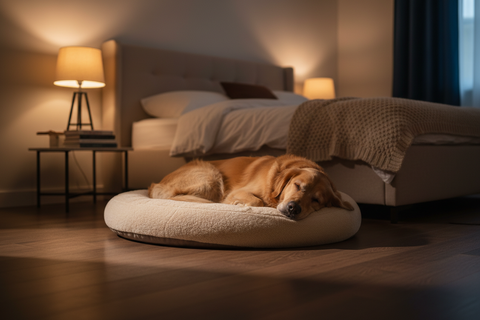
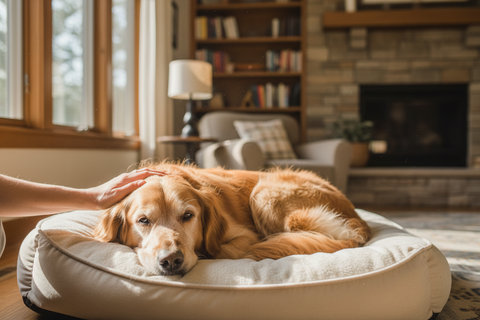
Every dog needs a spot that is unequivocally theirs. This could be a crate, a cozy corner with their favorite bed, or even a specific room. The real magic happens when you build a powerful, positive association with this space, transforming it into their personal retreat.
This process has to be gentle and never, ever forced. Start by making the area incredibly inviting.
- Make It Comfortable: Line the space with soft blankets or a plush crate pad. We often recommend leaving a worn t-shirt that carries your familiar scent—it provides immense comfort and reminds them of you in a gentle, passive way.
- Create Positive Experiences: Feed them their meals in this spot. Give them high-value treats or their absolute favorite chew toys only when they are in their safe haven. This teaches them that amazing things happen there.
- Never Use It for Punishment: This is a non-negotiable rule. Their safe space must always be associated with security and reward, never with discipline.
We understand the worry that comes with leaving them alone. The goal is to make their personal space feel like a warm hug when you can't be there to give one yourself. It’s a small change that supports their emotional well-being.
Engaging Their Mind and Senses
An anxious mind often benefits from a little gentle distraction. Providing engaging activities can help shift their focus from your absence to a rewarding task, channeling that nervous energy into something productive and calming.
Puzzle toys are a fantastic tool for this. A KONG or similar toy stuffed with peanut butter (xylitol-free, of course!) or their favorite treats can keep them occupied and mentally stimulated for a good while. This isn't just about keeping them busy; it's about giving them a job to do, which can be incredibly satisfying for a dog.
You should also consider the power of sound. Leaving on some soft classical music or a white noise machine can help mask jarring outside noises—like the mail truck or a neighbor's dog—that might trigger alarm or barking. It creates a consistent, soothing audio blanket that promotes relaxation. These are just a few of the many ways you can adapt your home; for more ideas, explore our other resources on dog anxiety and behavior.
Gentle Training for Happier Departures
How you handle the moments just before you leave and right after you get back can completely change the game for your anxious dog. We're not looking for perfection here, just progress. The idea is to use gentle, empathetic training to help your dog build confidence around the whole idea of you coming and going.
It’s a journey, and you’re not alone on it. As routines changed over the past few years, a surprising 11.8% of owners reported new or worse separation issues in their dogs. Another 39% were worried about problems cropping up in the future. Consistent, kind training is the best tool we have to help them through it. You can dive deeper into the data in this in-depth study on separation-related behaviors in dogs.
Uncoupling Departure Cues
Does your dog start anxiously pacing the second you jingle your keys? Or maybe the whining starts the moment you slip on your work shoes? Those are departure cues, and for a dog with separation anxiety, they’re a huge signal that something stressful is about to happen. Our first job is to gently break that connection.
This process is called departure desensitization, and it sounds more complicated than it is. All you have to do is perform those actions without actually leaving. Throughout the day, when you’re just hanging out at home, pick up your keys and then set them back down on the counter. Put on your coat, walk into the kitchen for a glass of water, and take it right off again.
The goal is to make these triggers so common and random that they become meaningless. They'll stop being an alarm bell and fade into the normal background noise of the house, which helps take that initial spike of panic way down.
Practicing Short, Successful Separations
Once those cues start losing their power, we can begin practicing very short absences. And when we say short, we mean short. Success is measured in seconds here, not minutes or hours. You want your dog to experience you leaving and returning before they even have a chance to get worried.
Start small. Step out the door for just 30 seconds, then come right back inside. No big fuss. When you can do that without a reaction, try a minute. Then two. Then five.
Remember, progress isn't a straight line. Some days you might go from five minutes back down to two, and that's completely okay. We’re aiming for gradual improvement over time. Every small step forward is a win worth celebrating.
The infographic below shows how creating a calm foundation at home makes all of this training more effective.

As you can see, things like a cozy "safe space," calming scents, and engaging puzzle toys all work together. They create an environment where your dog feels more secure, which sets your training sessions up for success.
Keeping Goodbyes and Hellos Low-Key
This is probably the hardest part for us as owners. We love our dogs! Our gut reaction is to give them dramatic, emotional goodbyes and then throw a party when we get home. The trouble is, all that fuss just confirms their suspicion that your departure is a very big deal.
Instead, try to project a sense of calm, boring confidence. A simple, "Be back soon," is plenty. When you walk back in the door, ignore any frantic jumping or barking for the first minute or so. Just go about your business. Once your dog has settled down, that’s the time for calm pets and affection. This teaches them that your coming and going is just a normal, uneventful part of the day.
For anyone looking to take their skills to the next level, pursuing a dog training certification can offer incredible insight into canine behavior. And if you feel like you've tried everything and still need more support, it can be helpful to learn about the role medications for canine anxiety can play alongside these training techniques.
The Role of Nutrition and Natural Support
When we're helping our dogs feel more secure, our first thoughts usually go to training and changing their environment. Those are absolutely crucial pieces of the puzzle. But what your dog eats can also play a surprisingly important role in supporting their emotional balance.
This isn't about finding a miracle cure in their food bowl. It’s about providing gentle, consistent support from the inside out.
Just like with us, a dog’s gut and brain are deeply connected. The right nutrition can help foster a more stable mood and a calmer mindset, giving them one more tool to cope with the stress of being alone.
Supporting Brain Health Naturally
A dog struggling with anxiety has a brain that's on high alert. Certain natural ingredients can gently support the very systems that are responsible for managing stress and promoting a sense of calm. The whole idea is to help them maintain their normal emotional balance, making it a little easier to handle life's challenges—like you walking out the door.
Think of it as giving their mind the foundational resources it needs to stay steady.
We get it—adding something new to your dog's routine can feel like a big decision. The goal isn't to change your dog's personality. It's about gently supporting their ability to feel safe and secure, which creates the foundation for more good days together.
Gentle Ingredients for Emotional Comfort
A truly holistic plan combines our patient, loving behavioral work with supportive nutrition. While every dog responds differently, a few key ingredients are well-known for their natural, supportive properties.
Here are a few that can make a meaningful difference:
- Tryptophan: This is an amino acid that acts as a natural building block for serotonin—the "feel-good" neurotransmitter. Supporting healthy serotonin levels can help your dog feel more relaxed and content.
- Thiamine (Vitamin B1): Often called the "anti-stress" vitamin, Thiamine is vital for a healthy nervous system. It helps the body and mind cope more effectively with stressful situations.
- L-Theanine: You’ve probably heard of this one in green tea. It’s known for promoting a state of relaxation without making your dog drowsy, helping them feel calm yet focused.
It's all about giving your dog every possible advantage in their journey toward comfort. By combining these gentle nutritional strategies with the training techniques we've discussed, you're creating a truly comprehensive support system. For a deeper look, check out our guide on natural supplements for dog anxiety.
Of course, it’s always smart to have a quick chat with your veterinarian before introducing any new supplement. They know your dog best and can help you make a safe, effective choice for their specific needs.
Building a Support System for You Both
Navigating a dog’s separation anxiety can feel incredibly lonely, but you’re definitely not going through this on your own. Creating a solid support system isn’t just about finding tools; it's about building a reliable network for both you and your dog. This network can bring a sense of stability and relief that makes the entire process feel more manageable.
You're not alone in your concerns. A recent survey revealed that 44% of owners share your worry about their pets' separation anxiety. To manage this, 41% asked friends or family to look in on their dogs, and 31% invested in pet cameras. You're part of a huge community of dedicated owners who are actively trying to find what works.

Leveraging Technology for Peace of Mind
One of the best practical tools you can have in your corner is a simple pet camera. These aren't just for checking in—they're for gathering information. A camera gives you a direct window into your dog's world when you’re not there.
You’ll start to see patterns. Does the anxiety spike right after you leave, or does it build slowly over a few hours? Is it the sound of a garbage truck that sets them off? This information is gold because it helps you target your training and make specific environmental adjustments. Plus, there’s nothing more reassuring than checking the camera and seeing your dog snoozing calmly or working on a puzzle toy. Those small wins can really help your own peace of mind.
The Human Element of Your Support System
As great as technology is, it can’t replace a friendly face. Bringing a trusted dog walker or pet sitter into the mix can be a game-changer. A walk in the middle of the day is more than just a potty break—it’s a welcome interruption that offers exercise, mental stimulation, and a dose of positive social interaction.
Here are a few options to consider:
- Professional Dog Walker: A pro can offer structured walks that help burn off that anxious energy.
- Trusted Friend or Neighbor: Sometimes, all it takes is a quick visit from a familiar face for a belly rub and some reassurance.
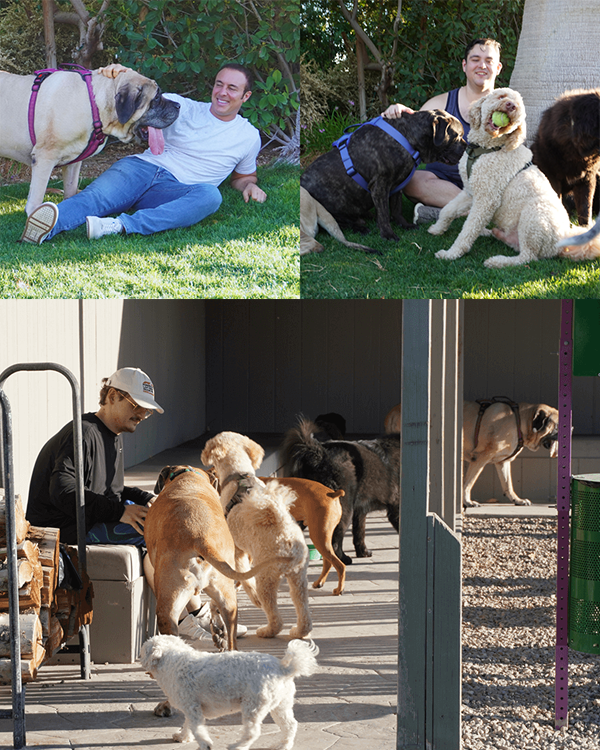
- Doggy Daycare: If your dog enjoys the company of other dogs, a day or two at daycare each week can be a fantastic outlet for social energy.
For pet parents trying to balance this with a work schedule, exploring these 9 practical solutions for leaving your pet at home can make a world of difference for everyone’s stress levels.
We understand this journey requires patience. Building a support network is an act of realistic optimism. It acknowledges that progress takes time and that having help makes the path smoother for both of you.
When you combine this network with consistent, gentle training and the right nutritional foundation, you’re creating a truly holistic plan. Adding targeted brain health support with a supplement like Furever Active NeuroChew can help your dog maintain a sense of calm, making it easier for them to absorb new, more confident behaviors. It’s all about setting you both up for success and many more good days together.
Got Questions? We've Got Answers
When you're in the thick of it with an anxious dog, questions pop up constantly. It's completely normal. Let's walk through some of the most common ones we hear from dedicated dog owners just like you, with honest, practical answers.
How Long Does This Actually Take?
This is usually the first question on everyone's mind, and the honest answer is, every dog's journey is unique.
Some dogs might show small signs of progress in a few weeks—maybe you can grab the mail without a meltdown. For others, it’s a journey of several months. The timeline really depends on your dog's history, their specific triggers, and how consistently you can work on the training. The most important thing is to focus on and celebrate the small wins. A calm five minutes while you take out the trash? That's huge progress.
Should We Get Another Dog to Keep Him Company?
We understand the thinking behind this question completely. It comes from a place of love—you see your dog is lonely and think a friend might help. But in our experience, this rarely solves the root problem.
Separation anxiety is almost always about a dog’s attachment to you, not a general fear of being alone. Another dog, no matter how wonderful, can't replace the security they feel when you're there. More often than not, this can backfire, leaving you with two anxious dogs instead of one. It's much better to focus on building your current dog's confidence first, one on one.
Is It Okay to Use a Crate?
This is a great question, and the answer is: it depends. A crate can be an incredible tool for comfort, but only if your dog sees it as their personal safe space—a cozy den, not a cage.
The goal is for the crate to feel like a cozy bedroom. If your dog already loves their crate and willingly goes in to rest, it can be a source of immense security for them when you're away.
However, if crating your dog leads to panic—think frantic chewing on the bars, excessive drooling, or desperate escape attempts—then it’s absolutely making things worse. Forcing them into the crate will only amplify their fear. The key is to build a positive association with the crate that has nothing to do with you leaving. Make it the best place in the house, full of high-value treats and puzzle toys, and let them learn to love it on their own terms.
At FureverActive, we know that a calm mind is more receptive to learning. While you work on the crucial behavior training, our natural supplements can provide foundational support for your dog's brain health. This can help them feel more balanced and ready to build new, confident habits. See how we can support your journey at https://fureveractive.com.
Get practical dog wellness tips by email
Occasional, useful guidance on keeping your dog healthy and happy. Unsubscribe anytime.
No spam. We respect your inbox.
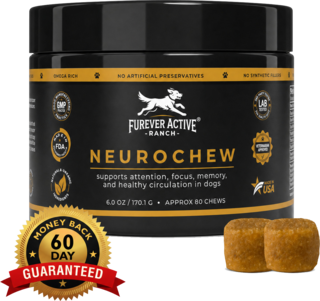
Support your dog's brain health with NeuroChew
NeuroChew is our daily soft chew for dogs, made fresh in the USA. See the ingredients and how it fits into a healthy daily routine.
Learn more about NeuroChew