Senior Dog Care
Raw Fish Dog Food: A Guide to More Good Days Together


Watching your best friend slow down is hard. It's only natural to search for ways to support them, and you've probably heard about raw fish dog food. The promise of omega-3s for their joints and mind is compelling. Let's walk through this journey together, exploring the wonderful benefits and the simple ways to keep things safe.
Is Raw Fish the Right Choice for Your Dog?

We understand that feeling of wanting to do everything possible for your aging companion. The conversation around raw diets is everywhere, and you're wondering if adding raw fish to their bowl could bring back a bit of their old spark. You're not alone on this path; many of us are navigating that same balance of hope and careful consideration.
This growing interest in raw feeding comes from a place of deep care. It's a shift toward more natural, whole-food nutrition for our dogs, driven by our desire to give them the very best.
A Growing Movement
The global market for raw dog food is growing quickly, which shows how many of us are looking for alternatives to standard kibble. In fact, projections show the market is expected to hit around $1.5 billion in 2025. This isn't just about trends; it reflects a real change in how we think about our dogs' wellness.
Fish-based products are a significant part of this movement. They are especially valued by owners looking for gentle protein options or seeking the well-known benefits of omega-3 fatty acids.
For many senior dogs, the natural support from omega-3s can mean the difference between a stiff morning and a comfortable walk. It’s those small improvements in their day that matter most.
Making an Informed Decision
Before you begin, it’s important to see the whole picture. Understanding both the benefits and the safe ways to include fish in your dog's diet is the first step. While the thought of a shinier coat and a sharper mind is exciting, being mindful of safety is how we make those benefits a reality.
Our goal is to offer a clear, supportive guide to help you decide what's best for your dog. We'll cover how to build a complete meal, because balance is the foundation of good health. For those of us with graying friends at home, exploring the best diet for older dogs provides a broader perspective on these choices. Let's start this journey with practical steps you can use.
Raw Fish for Dogs at a Glance
To give you a quick overview, here’s a simple table summarizing the key benefits and things to keep in mind when considering a raw fish diet for your dog.
| Potential Benefit | What This Means for Your Dog | Important Consideration |
|---|---|---|
| Rich in Omega-3s | Supports joint comfort, brain health, and a healthy inflammatory response. | Quality matters. Smaller, oily fish often provide the most benefits. |
| High-Quality Protein | Provides essential building blocks for maintaining strong muscles. | Must be part of a balanced diet to provide complete nutrition. |
| Improved Skin & Coat | Fatty acids help maintain a shiny, healthy coat and soothe dry skin. | Introduce new fish slowly, as every dog's system is different. |
| Natural & Unprocessed | Avoids fillers and artificial preservatives found in some processed foods. | Requires careful handling to manage risks from bacteria or parasites. |
This table is just a starting point. The journey is about maximizing those benefits while gently managing the risks, which we'll explore together next.
The Health Benefits of a Raw Fish Diet

When you look into raw fish dog food, you're searching for more than just a meal. You're hoping to give your dog natural, targeted support for their well-being. It’s about seeing those small but meaningful improvements—a little more spring in their step, a little more brightness in their eyes.
So, what makes raw fish so special? It comes down to its incredible richness in omega-3 fatty acids, especially EPA and DHA. These aren't just buzzwords; they are fundamental building blocks for a more comfortable and engaged life for your companion.
Supporting a Sharp and Engaged Mind
One of the greatest gifts of these fatty acids is their role in supporting cognitive function. You can think of DHA as natural brain cell support. It helps maintain the pathways that allow for mental clarity and memory.
For a senior dog, this can mean more moments of connection. You might notice them navigating your familiar walking route without getting lost, or responding a little quicker when you call their name. These are the small signs that let you know you're having "more good days" together.
A dog's brain, much like ours, needs the right nutrients to stay sharp through the years. A diet rich in DHA is a gentle, natural way to support their mental clarity and help them stay engaged with the world around them.
This kind of brain health support is a cornerstone of proactive care for our aging dogs. It’s about giving their body the tools it needs to function well, helping them feel more like themselves.
Promoting Joint Comfort and Mobility
Have you noticed your dog seems a little stiff when they get up in the morning? Or maybe they hesitate before hopping onto the couch. Omega-3s, particularly EPA, are well-known for their natural ability to support a healthy inflammatory response.
While it's not a miracle cure, it can offer gentle, consistent comfort. By helping to soothe everyday aches, a raw fish diet can make moving around easier. This might mean more enthusiasm for daily walks, more comfortable naps, and a greater willingness to play. It's about maintaining their mobility and quality of life, one comfortable step at a time.
Nourishing Skin and a Healthy Coat
The benefits of a raw fish diet often show on the outside, too. Those same powerful omega-3s are wonderful for skin health, helping to soothe the kind of dryness and itchiness that can make a dog uncomfortable.
This leads to a coat that isn't just shiny but is genuinely healthy and soft. It's one of those tangible signs that the nourishment you're providing is working from the inside out. For a closer look at how specific fish oils can help, feel free to explore our guide on Alaskan salmon oil for dogs.
Beyond these key areas, a raw fish diet also contributes to a dog's digestive wellness. If you're looking for more ways to support their gut health, you can find great tips on natural probiotics for dogs. This holistic approach supports everything from their digestion to their immune system, creating a solid foundation for their overall well-being.
How to Safely Navigate the Risks of Raw Feeding
We understand—the idea of feeding raw fish can feel a bit overwhelming. If you're feeling cautious, you're not alone. It's completely normal to have questions about things like parasites or bacteria. Asking those questions is the first step toward becoming a confident, well-informed raw feeder.
Think of this section as a calm, practical guide. We're going to address the main concerns together—parasites, bacteria, and an enzyme called thiaminase. Our goal isn't to create worry, but to show you how manageable these risks are with a few simple, consistent habits.
By the end, those concerns can be replaced with a solid plan, empowering you to make raw fish a safe and healthy part of your dog's journey.
The Power of the Deep Freeze
When it comes to raw fish, your freezer is your most important tool. The biggest worry for many is parasites, and a deep freeze is the most straightforward way to address that concern.
It’s a simple but effective technique. Freezing fish at -4°F (-20°C) or colder for a minimum of 7 days is the standard for neutralizing any potential parasites. This is especially important for wild-caught fish like salmon from the Pacific Northwest, which can sometimes carry a parasite that causes "salmon poisoning" in dogs.
The good news is that most home freezers can easily reach these temperatures. Just place the fish inside and let it sit for a week. It’s a silent safety check that offers complete peace of mind, managing one of the primary risks before you even start preparing a meal.
Understanding Bacteria and Safe Handling
Next is bacteria, like Salmonella or E. coli. It’s a valid thought, but the solution is likely already part of your kitchen routine. Handling raw fish dog food is no different than preparing raw chicken for your own family. It just takes a bit of mindfulness.
Here’s how to build a safe routine:
- Separate Surfaces: Dedicate a specific cutting board and utensils just for your dog's raw meals. Plastic or glass boards are easy to sanitize.
- Thorough Cleaning: As soon as you're done, wash every surface, bowl, and knife with hot, soapy water. Wiping down the counters around your prep area is also a great habit.
- Hand Washing: This is essential. Wash your hands well with soap and water before and after you handle the raw fish to prevent any cross-contamination.
It's helpful to remember that a healthy dog’s stomach is a highly acidic environment, built to handle a bacterial load that would trouble us. The main goal of safe handling is to protect the people in your household.
By treating your dog’s meal prep with the same care you give your own, you can confidently manage bacterial risks. These simple habits are a cornerstone of any good preventive health care for dogs plan.
The Thiaminase Factor: Choosing Fish Wisely
Finally, let’s talk about thiaminase. It’s an enzyme found in certain types of raw fish that can break down thiamine (Vitamin B1), a nutrient important for your dog’s nerve function.
Feeding a fish with thiaminase occasionally is perfectly fine. The risk only becomes a concern if these fish make up the entire diet, day after day. That kind of consistent exposure could eventually lead to a thiamine deficiency.
The solution is simple: variety is key.
Fish with Thiaminase (Offer in Moderation):
- Herring
- Mackerel
- Sardines
- Smelt
- Whitefish
Fish without Thiaminase (Excellent Choices):
- Atlantic Salmon (always frozen first)
- Cod
- Haddock
- Pollock
- Flounder
This doesn't mean you should avoid fish with thiaminase. Sardines, for example, are an incredible source of omega-3s. The strategy is to rotate them with thiaminase-free options. This balanced approach ensures your dog gets a wide spectrum of nutrients while naturally preventing any single issue from becoming a problem. It’s all about balance, not restriction.
Choosing the Best Fish for Your Dog
Standing in the seafood aisle, trying to pick the right fish, can feel a little daunting. We've been there, and we're here to make this part of the journey simple and stress-free.
The secret to choosing the best raw fish dog food is to think small. It’s the smaller, oily fish low on the food chain that are nature's nutritional powerhouses. They're loaded with healthy omega-3s but have far fewer heavy metals, like mercury, than larger fish.
Your Go-To Fish List
When you focus on these smaller fish, your choices become much easier and safer. They deliver those essential fatty acids that support everything from your dog's brain health to their joint comfort.
Here are some of the best and safest options:
- Sardines: A true superfood for dogs. They are overflowing with omega-3s, vitamin D, and vitamin B12. They're small, sustainable, and one of the best choices you can make.
- Smelt: Similar to sardines, smelt are small but mighty. They are dense with nutrients and can often be fed whole, providing a fantastic source of calcium from their tiny, edible bones.
- Mackerel (Atlantic or Chub): This is another excellent source of fatty acids, but be sure to stick with the smaller varieties. Always avoid King Mackerel because of its high mercury content.
These fish give you a fantastic starting point for building a varied and nutrient-rich diet. Rotating between them is a great way to provide a broader spectrum of nutrients.
The goal isn't to find one "perfect" fish, but to create a rotation of safe, low-mercury options. This variety helps build a resilient foundation for your dog's long-term health.
Fish to Approach with Caution
Knowing what to offer less frequently is just as important as knowing what to feed regularly. Some fish come with a few red flags that make them less than ideal for a daily meal.
The two main concerns here are higher levels of heavy metals (especially mercury) and the presence of thiaminase. This enzyme can break down vitamin B1 (thiamine) if fed too often. These fish can still be offered occasionally in a rotation, but they shouldn't be the staple.
It’s no surprise that fish is becoming more popular in pet food. The global market for fish-based pet food was valued at around $1.54 billion in 2025 and is expected to hit nearly $2.4 billion by 2035. This shows that dog owners everywhere are recognizing the incredible health benefits of ingredients like omega-3s. You can dive deeper into this trend by exploring the full insights on fish-based pet food trends.
A Guide to Safe and Risky Fish for Dogs
To make things crystal clear, we've put together a simple guide. This should help you feel confident every time you make a selection, knowing you’re putting your dog’s well-being first.
| Fish Type | Safety Profile | Key Nutrient |
|---|---|---|
| Sardines & Smelt | Excellent Choice Low mercury, high in omega-3s, and sustainable. | Omega-3s & Calcium |
| Wild-Caught Salmon | Good Choice Rich in omega-3s but must be deep-frozen for at least a week. | Omega-3s & Vitamin D |
| Cod & Pollock | Good Choice Low in fat and mercury, good lean protein source. Thiaminase-free. | Lean Protein & Iodine |
| Herring & Mackerel | Feed in Moderation Excellent omega-3s but contain thiaminase. Best used in rotation. | Omega-3s & Selenium |
| Tuna & Swordfish | Avoid High mercury levels make these fish too risky for regular feeding. | N/A |
By sticking to the "Excellent" and "Good" choices for the majority of your dog's meals, you can easily provide the amazing benefits of raw fish without the worry.
And don't forget, the positive impact of omega-3s is incredible for skin health, too. For dogs with sensitivities, you can learn more about how fish oil helps with allergies in our dedicated article. This kind of thoughtful approach is what truly supports your dog’s wellness journey.
How to Prepare and Store Raw Fish Correctly
When it comes to feeding your dog raw fish, how you handle it in your kitchen is just as important as the quality of the fish itself. This is where you lock in all that great nutrition while keeping things safe.
Your first step should always be to buy human-grade fish. If it’s good enough for you, it’s good enough for your dog. Look for it from suppliers you trust to ensure it's fresh and has been handled properly. Small, oily fish like sardines or cod are fantastic choices because they tend to have lower levels of heavy metals.
This simple three-step process is your blueprint for keeping raw fish safe and full of nutrients.

Following this sequence—choose, freeze, and then serve—is the key to getting it right every time.
Freezing and Packaging Guidelines
Think of your freezer as your primary safety tool. It needs to be set to a very cold -4°F (-20°C) or even colder.
Why so cold? Because keeping the fish at this temperature for at least 7 days is what neutralizes any potential parasites. It’s a completely natural, chemical-free way to make the fish safe.
Here's the process broken down:
- Step 1: Choose - Select fresh, human-grade fish packed with omega-3s. Think sardines, smelt, or cod.
- Step 2: Freeze - Seal the fish in airtight bags and place them in a deep freezer set to -4°F (-20°C). Leave them there for a full 7 days.
- Step 3: Serve - Once you're ready, thaw it safely and serve it in a clean bowl. You can use ground or whole fish, depending on what works best for your dog.
Mastering these steps builds a solid, safe routine for meal prep, giving you total confidence.
Key takeaway: A deep freeze at -4°F for 7 days is your non-negotiable first step for neutralizing parasites.
And don't forget the basics of kitchen hygiene! Always sanitize your cutting boards, knives, and countertops after handling raw fish to keep your two-legged family members safe, too.
After the deep freeze, it's time to package. We find it easiest to portion the fish into meal-sized servings before refreezing, using BPA-free containers or freezer bags. Label every package with the type of fish and the date you froze it. This way, you always know what you have and can use the oldest packs first.
Portion sizes will depend on your dog's size and the rest of their meal. A good starting point is about ¼ cup for a small dog and up to 1 cup for larger breeds.
A little organization goes a long way. Color-coded labels can make grabbing the right meal a breeze on busy mornings. Silicone trays are also great for portioning ground fish—the frozen cubes pop right out, which is a huge time-saver.
Thawing and Portioning Guidelines
How you thaw the fish is critical for preventing bacterial growth. The safest method is to move it from the freezer to the fridge and let it thaw slowly. Never leave it out on the counter.
Here are your best options:
- The Refrigerator Method: This is the gold standard. Plan ahead and allow about 24 hours for every pound of fish to thaw in the fridge.
- The Cold Water Bath: In a pinch? Submerge the sealed package of fish in a bowl of cold water. Change the water every 30 minutes so it stays cold.
- Portion with Care: Once thawed, cut or grind the fish into appropriate sizes. This is important for preventing choking, especially with whole fish.
You’ll need to decide whether to serve fish whole or ground. This really comes down to your dog. Can they handle bones? Do they tend to gulp their food?
Any thawed, unused portions should be stored in a sealed container in the fridge and used within 48 hours.
Serving Options
You can offer raw fish as whole fillets or as a ground mix. Whole pieces can be great for dental health, as the chewing action helps clean teeth. But for smaller dogs or enthusiastic eaters, they could pose a choking risk.
A ground blend makes it easier for your dog to digest and ensures they get a balanced mix of nutrients in every bite. Just be sure any bones are ground very finely.
No matter how you serve it, always supervise your dog during mealtime. And of course, make sure they have plenty of fresh water available.
Putting these practices together allows you to confidently add the amazing benefits of raw fish to your dog's diet.
Pro Tip: Use a small whiteboard on your freezer door to keep an inventory of your fish. It helps you track what you have, reduces waste, and makes sure your dog always gets a fresh meal.
Building a Balanced Bowl for Complete Nutrition
Putting together a nourishing diet for your dog is all about balance. While raw fish is an amazing source of nutrients like omega-3s, it's just one piece of the puzzle. Think of it as a star ingredient in a larger recipe designed to support your dog’s total health.
The goal is to create a bowl where whole foods work together. By thoughtfully combining different natural ingredients, you build a meal that gives your dog everything they need for more good days by your side.
The Core Components of a Balanced Raw Diet
To go from feeding fish to providing complete nutrition, we need to bring in a few other essential players. Each one has an important job to do.
-
Organ Meats: These are nature's multivitamins. Liver is packed with Vitamin A and B vitamins, which are important for energy and good eyesight. Other organs like kidney and spleen deliver a powerhouse of iron and other essential minerals.
-
Raw Meaty Bones (RMBs): This is where your dog gets their natural calcium and phosphorus. These minerals are essential for building and maintaining strong bones and healthy teeth. If you want to learn more, you can explore the signs of calcium deficiency in dogs in our comprehensive guide.
-
Plant Matter: A small amount of gently cooked or pureed veggies can add valuable fiber and antioxidants. Things like pumpkin or leafy greens are great for supporting digestive health and their immune system.
Creating the Perfect Mix
When you bring all these elements together, the entire meal becomes more powerful than any single part. The raw fish provides supportive omega-3s, the organs deliver a dense punch of vitamins, the bones supply critical minerals, and the plants round it out with fiber.
This whole-food approach is catching on with so many of us. The overall raw pet food market was valued at around $34.6 billion in 2025 and is expected to keep growing. It’s a clear sign that more owners are looking for fresh, minimally processed diets for their best friends. You can discover more insights about the raw pet food market on Custom Market Insights.
We get it—building a balanced bowl from scratch can feel like a big responsibility. The key is to start simple and focus on variety. Gently rotating different proteins and ingredients over time is the best way to ensure your dog gets a wide spectrum of nutrients.
This is a journey of progress, not perfection. Every balanced bowl you prepare is a loving step toward supporting your dog's long-term health, helping you make the most of your precious time together.
Frequently Asked Questions About Raw Fish Diets
If you’re thinking about adding raw fish to your dog’s meals, it’s normal to have questions. We’ve gathered the most common concerns we hear from devoted pet parents just like you. Consider this your quick-reference guide for making informed, confident choices.
How Much Raw Fish Should I Feed My Dog?
A balanced approach is best. Aim for 10–20% of your dog’s total daily food to come from raw fish. For example, if your dog eats 2 pounds of food each day, that equals roughly 3–6 ounces of raw fish.
- Start with a small serving and see how your dog does.
- Gradually increase the amount to find what works best.
- Think of fish as a powerful nutritional boost, not the entire meal.
Can Puppies Eat Raw Fish?
Puppies can benefit from raw fish—especially the DHA that supports brain development. Still, growing pups need precise nutrient levels for strong bones.
- Introduce raw fish as part of a complete commercial diet formulated for puppies.
- Ensure their overall meal plan supports their growth needs.
- It’s always a good idea to check in with your veterinarian before making big changes.
Introducing new foods to a puppy should be a gentle and guided journey. Slow transitions and professional advice help set the stage for healthy development.
Can I Refreeze Thawed Raw Fish?
Yes—you can refreeze raw fish if you thawed it properly in the refrigerator. This helps minimize waste and lets you buy in bulk without worrying about spoilage.
- Always thaw in the fridge, never on the countertop.
- Refreeze unused portions within 24 hours of thawing.
- Label packages with the date to keep track of freshness.
At FureverActive, we believe every dog deserves support through their golden years. Our NeuroChew™ supplement is designed with omega-3s and other nutrients that support cognitive health alongside a balanced diet. Learn more about NeuroChew™ at FureverActive.
Get practical dog wellness tips by email
Occasional, useful guidance on keeping your dog healthy and happy. Unsubscribe anytime.
No spam. We respect your inbox.
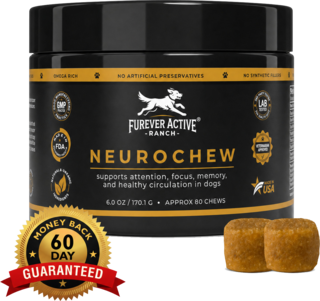
Support your dog's brain health with NeuroChew
NeuroChew is our daily soft chew for dogs, made fresh in the USA. See the ingredients and how it fits into a healthy daily routine.
Learn more about NeuroChew