Senior Dog Care
Why Is My Dog Chewing His Nails? A Guide to Finding Comfort


It’s an unsettling sight, isn't it? That moment you notice your dog intently chewing on his nails. It’s more than just a strange little quirk; it's a clear signal that something is off. The most important thing to remember is that this isn't "bad behavior" to be punished, but a clue into how your dog is feeling, both physically and emotionally.
That Unsettling Moment Your Dog Starts Chewing His Nails

We understand. Seeing your companion fixated on their paws like that can stir up a lot of worry. It’s natural to wonder what’s going on and, more importantly, what you can do to help. The good news is that by simply noticing and seeking answers, you’ve already taken the first and most crucial step on their journey back to comfort.
Think of this guide as a supportive friend walking you through the process, step by step. We're going to explore the common reasons dogs start chewing their paws and give you clear, gentle ways to bring them relief.
To start, it's helpful to see the big picture. Here’s a quick rundown of the usual suspects behind nail chewing.
Quick Guide to Why Your Dog Is Chewing His Nails
This table summarizes the most common reasons behind nail chewing to help you quickly identify potential causes.
| Possible Cause Category | Common Triggers | What You Might See |
|---|---|---|
| Physical Comfort | Broken nail, allergies, infections (yeast/bacterial), arthritis, mites, insect bites. | Redness, swelling, limping, obsessive licking, a foul odor from the paws. |
| Emotional Well-being | Anxiety (separation, general), boredom, stress, compulsive habits. | Chewing happens during specific times (like when you leave), lack of interest in toys, restlessness. |
| Environmental Triggers | Road salt, lawn chemicals, new floor cleaners, hot pavement, rough terrain. | Paw pads look dry, cracked, or irritated; chewing starts after walks or being outside. |
Now that you have a general idea, let’s dig a bit deeper into what these categories really mean for your dog.
The Three Main Reasons for Nail Chewing
Almost every case of nail chewing can be traced back to one of three root causes. Understanding which one fits your dog's situation is the key to finding the right path to comfort.
-
Physical Causes: This is usually the first place to look. Something is physically bothering their paw. It could be as simple as a broken nail or a pesky splinter, but it can also point to bigger issues like painful arthritis, itchy allergies, or a stubborn fungal infection.
-
Behavioral Causes: Just like people bite their nails when they're nervous, dogs have their own ways of coping. Nail chewing can be a self-soothing behavior that helps them deal with stress, boredom, or the anxiety they feel when you leave the house.
-
Environmental Causes: Sometimes, the culprit is something in your dog’s world. Think about irritants they walk on every day, like de-icing salt in the winter, chemicals on the lawn, or even a new cleaning product you’re using on the floors.
This isn’t some rare, bizarre habit. In fact, studies show that about 15-20% of dogs show signs of excessive grooming, with nail and paw chewing being a top complaint. What’s more, up to 8% of dogs might even develop compulsive chewing habits purely from stress or a lack of mental engagement. Discover more insights on why dogs chew their nails.
We believe every behavior is a form of communication. Your dog is telling you something important, and our goal is to help you translate that message into loving, effective support.
By approaching this with gentle curiosity instead of frustration, you can start piecing together the puzzle. Let's keep exploring so you can get your dog back on the path to comfort and peace.
Investigating Physical Reasons for Paw and Nail Chewing

When your dog suddenly starts gnawing on his nails, it’s easy to think it's just a "bad habit." But before we go there, it's so important to put on our detective hats and start with a physical check-in. This isn't about you playing veterinarian, but about gathering clues to help your vet get to the root of the problem faster.
More often than not, this kind of chewing is a direct response to physical discomfort. Something is making their paws itchy, painful, or just plain weird-feeling, and chewing is their most instinctual way to try and make it better. Let’s walk through the most common physical culprits.
The Itch That Won't Quit: Allergies and Infections
An unrelenting itch is incredibly frustrating for a dog. If their paws are constantly bothering them, they'll do just about anything—including chewing them raw—to find a moment of peace. The two biggest offenders here are allergies and infections, and they often show up together.
1. Environmental Allergies (Atopy)
Just like we get hay fever, dogs can have allergic reactions to things in their environment. This is called atopy, and it’s a leading cause of paw chewing.
- Common Culprits: Think pollen from grass and trees, sneaky dust mites hiding in your home, and mold spores.
- What You Might See: Does the chewing get worse in the spring or fall? That’s a big clue. You’ll also likely spot redness between their toes or on the paw pads themselves. Often, these dogs also have recurring ear infections or will rub their faces on the carpet to scratch an itch.
2. Food Sensitivities
Sometimes, the very food your dog eats can trigger an immune response that shows up as itchy skin. This isn't a true food allergy, which is a much more immediate reaction, but a sensitivity that can build over time.
- Common Culprits: The most frequent triggers are common proteins like chicken and beef, but dairy and grains like wheat can also be the problem.
- What You Might See: Unlike seasonal allergies, this kind of itching is usually year-round. Along with the paw chewing, you might see skin problems on their belly, around their ears, or near their tail.
Working through allergies is a journey you take with your vet. One of the foundational things you can do at home is support their skin health from the inside out. To get a better sense of how this works, you can learn more about how fish oil for dogs with allergies can help support a normal inflammatory response and maintain skin comfort.
When Something Is Out of Balance
A dog's paws are a perfect environment for microscopic critters, especially in the warm, moist spaces between their toes. When their skin's natural defenses are down, these organisms can multiply and cause a world of itchy misery.
1. Yeast Infections
A yeast overgrowth is an incredibly common reason a dog is obsessively chewing his nails and paws. It creates an intense, persistent itch that's impossible for them to ignore.
- What You Might Notice: Check for a tell-tale rusty-red discoloration of the fur around the nails, which is especially obvious on lighter-colored dogs. The skin might look greasy or flaky, and you’ll probably notice a distinct smell—often described as being like Fritos or musty bread.
2. Bacterial Infections
Bacterial infections, or pyoderma, can pop up on their own or, more commonly, as a secondary problem. When a dog chews and licks their itchy skin, they create tiny breaks in its surface, opening the door for bacteria to move in.
- What You Might Notice: This often looks angrier than a yeast infection. You might see red bumps (pustules), open sores, crusty patches, and even hair loss on the affected paws.
It's a frustrating cycle: the itching leads to chewing, the chewing damages the skin, and the damaged skin becomes more prone to infection, which in turn causes more itching. Gently interrupting this cycle is key to providing them comfort.
Pain and Direct Injury
Beyond itchiness, straightforward pain is another major driver for paw chewing. Your dog might be trying to "fix" something that hurts or soothe an ache they can't get to otherwise.
1. Broken or Overgrown Nails
A cracked, split, or torn nail is deeply uncomfortable. The nail bed is packed with nerves and blood vessels, making any injury there very sensitive. A nail that's too long can also get snagged easily or just cause constant, painful pressure on the toe.
- How to Spot It: Your dog might suddenly start chewing on one specific paw after a rough-and-tumble play session or after jumping off the couch. They’ll likely be limping or will pull their paw away if you try to touch it. You might even see a little blood.
2. Arthritis and Joint Pain
This is a big one for our senior dogs. The deep, chronic ache of arthritis in a hip or knee is a pain they can't directly address. So, they chew on a nearby, accessible area—like their paw—as a self-soothing mechanism. It's their way of managing a discomfort they can't tell us about.
3. Other Foreign Objects
Finally, never underestimate a tiny intruder. A thorn, a splinter, a sharp bit of gravel, or even a tick lodged between their toes can cause a huge amount of irritation. This usually leads to focused, intense chewing on one very specific spot. A careful, gentle look at their paw pads and between their toes can often reveal the culprit.
Understanding Your Dog's Emotional and Environmental Triggers

Sometimes, the reason a dog chews their nails has nothing to do with a physical itch or an injury. Think about how a person might bite their own nails before a big presentation—it can be a coping mechanism for stress, anxiety, or even just plain boredom. For our dogs, it’s an outward sign of an internal struggle.
It’s tough to watch a companion you love feel distressed. You're not just seeing a "bad habit"; you're seeing a friend trying to soothe themselves in one of the few ways they know how. Recognizing this is the very first step toward giving them the comfort and support they need.
Let's dig into some of the most common emotional and environmental triggers that might be behind this behavior.
The Anxious Heart Behind the Chewing Paws
Anxiety is a powerful force in a dog's world. Since they can't tell us what's worrying them, their stress often bubbles up in physical ways, and obsessive chewing is a classic example. The key is to play detective and connect the behavior to a specific trigger.
-
Separation Anxiety: Do you notice the chewing happens mostly when you're getting ready to leave or right after you're gone? This is a huge clue for separation anxiety. The repetitive act of chewing can actually release calming endorphins, helping them manage the panic they feel when they're alone.
-
Noise Phobias: The sudden boom of fireworks, a rumbling thunderstorm, or even the drone of a vacuum cleaner can be genuinely terrifying for some dogs. Nail chewing can become their go-to coping strategy during these loud, scary events.
-
Changes at Home: Dogs are creatures of habit who really thrive on routine. A new baby, another pet joining the family, a child going off to college, or even just moving the living room furniture around can rock their sense of stability and lead to self-soothing behaviors like chewing.
These triggers are complex, and helping a worried dog is a journey, not a quick fix. For a much deeper look into this, our guide on dog anxiety offers more gentle, practical advice.
You know your dog better than anyone. If you can pinpoint when the nail chewing started and connect it to a specific event—like a recent move or the construction that started next door—you've found a vital clue. This isn't your fault; it’s a signal that your dog just needs a little extra support to feel secure again.
It's also worth noting that emotional triggers can stem from significant loss within the family. Our dogs are incredibly attuned to our own emotional states, which is why it can be helpful to find resources on how to cope with pet loss to ensure the whole family is supported through tough transitions.
When Boredom Leads to Busy Paws
Beyond anxiety, a simple lack of mental and physical stimulation can absolutely lead a dog to chew their nails. This is especially true for intelligent, high-energy breeds that were bred to have a job to do. When their bright minds aren't engaged, they will find their own—sometimes destructive—ways to stay busy.
Think of it like this: a bored toddler will eventually find some crayons and draw on the walls. A bored dog might just start chewing on their paws. It’s not done out of spite; it's a way to burn off pent-up energy that has nowhere else to go.
Here’s what this might look like:
- Not Enough Exercise: A dog who doesn't get enough walks, runs, or playtime will have a surplus of energy that can easily manifest as repetitive behaviors.
- No Mental Puzzles: Food puzzles, training games, and interactive toys are like crossword puzzles for your dog. Without these challenges, their brain gets restless.
- Too Much Crate Time: While crates are wonderful tools, spending too much time confined without interaction is a recipe for boredom-induced habits.
Spotting Environmental Irritants
Finally, the trigger might not be emotional at all—it could be something your dog is walking through every single day. Their paws are their connection to the world, and they come into contact with all sorts of things that can cause irritation long after the walk is over.
Common Culprits You Might Overlook:
| Irritant Type | Specific Examples | How It Causes Chewing |
|---|---|---|
| Winter Hazards | Ice melt, road salt, antifreeze residue | These chemicals can cause painful chemical burns or dry out paw pads, leading to cracking and chewing. |
| Lawn and Garden | Fertilizers, pesticides, herbicides | These substances cling to fur and skin, often causing contact dermatitis—an itchy, allergic reaction. |
| Household Cleaners | Floor cleaners, carpet powders, detergents | Harsh chemicals can leave a residue on surfaces that irritates their sensitive paws, prompting them to lick and chew. |
Often, the fix is as simple as gently wiping your dog's paws with a damp cloth after every walk. This one small habit can remove potential irritants before they cause real discomfort, bringing your dog immediate relief and giving you peace of mind.
Your Gentle At-Home Paw Care Checklist
Taking a few gentle, proactive steps at home can make a world of difference for a dog who's taken to chewing their nails. This isn't about complicated procedures; it's about weaving small, comforting routines into your day that support their paw health and show them you’re on their team.
Your calm and steady presence during these checks can turn a moment of potential stress into one of connection and trust. We know you're not a groomer or a vet, and that’s perfectly okay. This checklist is designed to feel empowering, not overwhelming, giving you the confidence to provide this fundamental care for your companion.
The Daily Paw Inspection
A quick, gentle inspection can help you catch small issues before they snowball into big problems. The best time to do this is when your dog is already relaxed and settled, maybe while you're cuddling on the couch in the evening.
- Look Between the Toes: Gently separate their toes and look for redness, swelling, or any foreign objects. It's amazing what can get stuck in there—burrs, tiny pebbles, or even ticks.
- Examine the Paw Pads: Check for any cracks, cuts, or blisters. Paw pads take a beating from hot pavement in the summer and icy, salty sidewalks in the winter.
- Check the Nails: Look closely at each nail. Is one obviously shorter than the others, suggesting it might have broken off? Do you see any cracking, splitting, or weird discoloration at the nail bed?
This daily check takes less than a minute but gives you invaluable intel on what might be bothering your dog.
Why Nail Trimming Is So Important
The thought of trimming your dog's nails can be intimidating for a lot of owners, but keeping them short is one of the most impactful things you can do to prevent the discomfort that leads to chewing.
When a dog's nails get too long, they constantly push back into the nail bed every single time their foot hits the ground. This creates a persistent, low-grade pain and puts unnatural pressure on their toe joints. For a dog, chewing the nail can be a desperate, instinctive attempt to "fix" the problem by shortening it themselves.
A good rule of thumb: if you can hear your dog's nails clicking on your hard floors, they are almost certainly too long. That simple sound is a clear signal that it's time for a trim.
If you're new to this, start slow. Really slow. Trim just the very tip of one nail, then immediately follow it with a super high-value treat and lots of praise. Then stop for the day. Making it a positive experience is far more important than getting all the nails done in one go.
Gentle Paw Cleaning Routines
Many triggers for nail chewing—especially allergies—come from irritants they pick up on their walks. A simple cleaning routine can wash these away before they have a chance to cause an itchy, frustrating reaction.
- After Every Walk: Use a soft, damp cloth or some unscented, pet-safe wipes to gently clean their paws. Make sure to get between their toes and around the nail beds, where pollen and other irritants love to hide.
- For Itchy Paws: A soothing paw soak can provide immense relief. You can use a shallow tub with lukewarm water and a gentle, vet-approved antiseptic wash. Soaking for just a few minutes can calm that angry, irritated skin right down.
- Moisturize Dry Pads: If you notice their paw pads are dry or cracked, a high-quality paw balm can help restore moisture and create a protective barrier against the elements.
Here’s a quick-glance table to help you build a consistent routine.
Paw Care Routine At a Glance
| Care Step | What to Look For | Helpful Tip |
|---|---|---|
| Daily Inspection | Redness, swelling, cuts, cracks, foreign objects, broken nails. | Do it when your dog is calm and sleepy. A little massage can make it enjoyable. |
| Nail Check | Clicking sound on floors, nails touching the ground when standing. | If you're nervous, ask your vet or groomer for a quick lesson on finding the "quick." |
| Post-Walk Wipe Down | Dirt, pollen, salt, or any other visible debris. | Keep wipes or a designated "paw towel" right by the door so you never forget. |
| Weekly Moisturizing | Dryness, minor cracks, or rough texture on paw pads. | Apply a paw balm right before bed so it has time to soak in without being licked off. |
Consistency is your best friend here. A few minutes each day adds up to a much more comfortable dog.
Maintaining healthy skin is a key part of this overall care. For dogs prone to skin sensitivities, you may find it helpful to explore the best skin and coat supplements for dogs to support their comfort from the inside out. By combining these external routines with the right internal support, you're creating a truly holistic plan for their well-being.
Knowing When to Partner with Your Veterinarian
You’ve been a loving detective, observing your dog’s behavior and trying all the right things at home. But sometimes, the clues point to something more complex—an issue that needs a professional eye. Knowing when to make that call is one of the most important things you can do for your dog. It's not a sign of failure, but of deep dedication.
A vet visit can feel stressful, we get it. But try to see it as bringing an expert onto your team. Your observations and instincts are absolutely critical here; you're the one who knows your dog best, and you are their most important advocate.
Clear Signs It's Time to Call the Vet
If you spot any of the following, it’s definitely time to schedule an appointment. These signs often mean the nail chewing is just a symptom of a bigger problem that won’t get better on its own.
- Bleeding or Pus: Any sign of infection or raw, open sores is a red flag. These need professional attention before they get worse.
- A Foul Odor: A persistent musty, yeasty, or just plain unpleasant smell coming from the paws is a classic sign of a bacterial or fungal infection.
- Sudden, Intense Chewing: If the behavior pops up out of nowhere and seems frantic or obsessive, it could signal sharp pain from something like a torn nail or a foreign object.
- Limping or Unwillingness to Walk: When the chewing is paired with obvious pain or trouble getting around, it’s crucial to have a veterinarian find out why.
Trust your gut. You know your dog better than anyone. If the behavior just feels "off" or is causing you serious concern, that’s more than enough reason to get a professional opinion.
What to Expect During the Vet Visit
Knowing what's coming can help ease any anxiety. Your veterinarian’s goal is to work with you to uncover the root cause of the discomfort. After a physical exam, they might suggest a few common diagnostic steps to get a clearer picture.
This decision tree shows how a simple paw inspection at home can guide your next steps, leading to either routine care or a vet visit.

As the flowchart shows, once you identify an issue during your home check, that's your cue to seek professional help. It really simplifies things.
Common Diagnostic Tools Your Vet Might Use:
- Skin Scraping: This sounds scarier than it is. The vet just gently scrapes a few skin cells to check for mites under a microscope. It’s quick and painless.
- Cytology (Impression Smear): Your vet might press a microscope slide against the irritated skin. This collects yeast or bacteria, which can be analyzed to identify an infection.
- Allergy Testing: If allergies seem likely, your vet might talk about blood tests or an elimination diet to nail down the specific trigger.
- X-rays: If there's a chance of an injury or arthritis, an X-ray gives them a clear look at what’s going on inside with the bones and joints.
Each of these tests is just a piece of the puzzle. They help your vet build the most effective and gentle treatment plan for your dog. Working closely with your vet is a cornerstone of a good preventive health care for dogs plan, helping you catch problems early and keep your best friend happy and comfortable for years to come.
Focusing on More Calm and Comfortable Days Together
It all started with a simple observation that felt like much more—seeing your dog gnawing at their nails and having that gut feeling that something was off. It was a signal. As we’ve unpacked all the reasons behind it, from pesky allergies to deep-seated anxiety, one thing is crystal clear: nail chewing is just the messenger. Your loving attention is the real first step toward helping them feel better.
You now know that your dog is trying to tell you something. Maybe it's a nagging itch that won't go away, a house that feels a little too chaotic, or just plain old boredom. Getting to the bottom of that is the only way to bring them lasting relief. This isn't a quick fix; it's a journey that calls for patience, sharp observation, and a solid partnership with your vet.
Shifting Your Focus to Small Wins
It’s completely normal to want the nail chewing to stop right now. But instead of fixating on the finish line, try celebrating the little victories. Those small moments of progress are where the real magic happens.
- A whole day with noticeably less chewing.
- A much calmer reaction to the mail carrier's arrival.
- The moment your dog picks up a puzzle toy instead of their paw.
- A quiet evening together, free from restless licking.
Every single one of these is a win. They're tangible proof that your thoughtful care, the changes you’re making to their routine, and your steady support are paying off. You're helping your best friend feel more comfortable and secure in their own skin.
Your Enduring Partnership
Navigating your dog's health and happiness is something you do together. When you suspect anxiety is the main culprit behind the chewing, exploring every avenue of support becomes even more important. You can learn more about fostering a peaceful home in our guide on natural calming supplements for dogs. Gentle support like this can be a fantastic addition to your overall care plan.
Remember, the goal isn't perfection; it's progress. It’s about stacking up more good, comfortable, and peaceful moments in the life you share. Your bond is built in these quiet days of trust and understanding.
In the end, your love and your unwavering attention are the most powerful tools in your toolkit. You are their advocate, their safe space, their person. Through every single step—from that first worried glance to celebrating a perfectly calm afternoon—you are giving them the greatest gift imaginable: a life where they feel seen, understood, and deeply cared for. Together, you’re on the path to many more good days ahead.
A Few Common Questions About Nail Chewing
Even with all this information, you might still have a few questions bouncing around in your head. That’s completely normal. When you care this much about your dog, you want to get it right. Let's walk through some of the most common concerns we hear from other dog owners.
Is My Dog Just Chewing His Nails for Attention?
It's tempting to think our clever dogs might be putting on a show, but nail chewing is almost never a calculated bid for attention. It's an instinct, not a scheme. This behavior is a genuine signal that something is wrong, either physically (like an itch or pain) or emotionally (like stress or anxiety).
Think of it as your dog's most direct way of telling you, "Hey, something is really bothering me over here." Instead of seeing it as a demand for attention, try to see it as a request for help. Your investigation is the most compassionate response you can offer.
Should I Try Using Bitter Apple Spray to Stop It?
Deterrent sprays can feel like a quick fix, but they rarely solve the actual problem. Using something like bitter apple spray is a bit like putting a piece of tape over a blinking warning light on your car's dashboard—it hides the signal, but it doesn't fix the engine.
The root cause, whether it's an allergy, a sore paw, or a feeling of panic, is still there. In fact, if the discomfort is strong enough, a determined dog will often just chew right through the bad taste. The best approach is always to work with your vet to find and treat the "why" behind the chewing. That’s how you bring your dog lasting relief, not just a momentary distraction.
Every dog is an individual. The kindest thing we can do is seek to understand the root of their behavior, offering support and comfort instead of just trying to suppress a symptom. Small steps forward are huge victories.
How Long Will It Take for the Chewing to Stop?
This is the big question, and the honest answer is: it completely depends on the cause. The timeline for improvement varies for every single dog. If the problem is something simple, like a cracked nail that needs a trim, you could see relief almost instantly.
But for more complex issues, like managing chronic allergies or working through separation anxiety, progress happens more slowly. It’s a marathon, not a sprint.
We encourage you to celebrate the small wins along the way. Look for progress in these little moments:
- A few less chewing sessions during the day.
- An evening that passes without constant licking or nibbling.
- Your dog seems just a little bit calmer when faced with something that used to trigger them.
Patience is your best friend here. Your consistent care is what makes the difference. Remember, the goal isn’t perfection overnight; it’s simply having more good days together than bad ones.
At Furever Active, we're dedicated to your dog's total well-being, from their playful puppy days to their dignified golden years. If you think anxiety or cognitive changes might be playing a role in your dog's nail chewing, our supplements are formulated to naturally support brain health and promote a calmer state of mind. See how we can help you and your dog find more peaceful days together.
Get practical dog wellness tips by email
Occasional, useful guidance on keeping your dog healthy and happy. Unsubscribe anytime.
No spam. We respect your inbox.
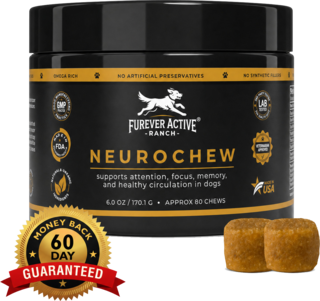
Support your dog's brain health with NeuroChew
NeuroChew is our daily soft chew for dogs, made fresh in the USA. See the ingredients and how it fits into a healthy daily routine.
Learn more about NeuroChew