Senior Dog Care
Understanding Dog Depression and How to Help


Just like us, dogs experience a rich emotional world. But they can't tell us when something feels wrong. Instead, they show us through their actions. You're not imagining it. Learning to see the quiet signs of dog depression means noticing the small, but very real, shifts in their behavior. It's the first step on the journey to understanding what's going on inside.
How to Recognize the Signs of Dog Depression
You know your dog better than anyone. It’s that quiet moment when your usually bouncy companion doesn't lift their head for a walk, or when their favorite squeaky toy lies untouched. We understand how hard it is to see that familiar spark dim. These are the small signals that something might be off.
We're not talking about a single off-day. Dog depression is a more persistent pattern of sadness, lethargy, or withdrawal. It's a way to describe a collection of behaviors that tell you your dog just isn't feeling like their happy, usual self. The journey starts with becoming a compassionate observer.
Shifts in Sleep and Energy
One of the first things pet parents often notice is a change in sleep patterns. You might see your dog sleeping far more than usual, seeming tired and listless even when they’d normally be ready to go.
This isn't just about catching a few extra Zs. It's a profound lack of energy—a genuine disinterest in getting up, even for things they once adored. They might choose to stay curled up in their bed rather than follow you from room to room. This change is often a quiet plea for comfort.
Loss of Interest in Daily Life
A happy, healthy dog finds joy in everyday activities. When a dog is feeling down, that joy can seem to vanish. This can show up in a few common ways:
- Playtime is ignored: They no longer nudge you with their favorite toys or get excited for a game of fetch.
- Walks become a chore: The familiar jingle of the leash, which once sparked a flurry of excitement, now gets little to no reaction.
- Social withdrawal: They might start hiding or isolating themselves from the family, avoiding interaction with people or other pets they typically enjoy.
This infographic gives you a quick visual guide to the core areas where these changes often appear.

Watching for persistent changes in these three key areas—sleeping, eating, and playing—can help you stay tuned in to your dog's emotional well-being.
Changes in Appetite and Licking
A dog’s appetite is often a direct window into their well-being. A sudden disinterest in food, even their favorite treats, can be a major red flag for emotional distress. On the other hand, some dogs might actually eat more as a form of comfort.
Another subtle but important sign is excessive licking or chewing, especially on their paws. Think of this as a self-soothing behavior, much like how a person might bite their nails when they're anxious. It's their way of coping with feelings they can't express in any other way.
For senior dogs, some of these behaviors can overlap with other age-related issues. You can learn more about these overlapping symptoms in our guide on canine cognitive dysfunction symptoms.
The table below is a quick reference guide to help you identify common changes in behavior that may indicate your dog is struggling.
Behavioral Shifts Spotting Potential Dog Depression
| Behavior Category | Normal Behavior | Potential Sign of Depression |
|---|---|---|
| Energy Levels | Active during typical playtimes, rests soundly. | Lethargic, sleeps excessively, uninterested in movement. |
| Social Interaction | Greets family, enjoys petting, interacts with pets. | Hides, avoids contact, shows no interest in family. |
| Appetite | Eats meals consistently, enjoys treats. | Skips meals, refuses food, or eats compulsively. |
| Interest in Play | Engages with toys, initiates games. | Ignores favorite toys, shows no desire to play. |
| Grooming Habits | Normal self-grooming. | Excessively licks or chews paws and body. |
By keeping an eye on these patterns, you can get a clearer picture of your dog's state of mind and know when it's time to dig a little deeper.
"Small improvements matter. A tail that wags a little more or a greeting at the door that's a bit more enthusiastic—these are worth noting. Together, they paint a picture of your dog's inner world, and progress is worth celebrating."
By recognizing these gentle signals, you're taking the most important first step. You're listening to what your dog is trying to tell you. This journey is about providing comfort and support, and it starts with understanding.
What Causes a Dog to Become Depressed

Figuring out why your dog seems down is the first step toward helping them feel like themselves again. It’s about looking at the world through their eyes and understanding how much their environment, relationships, and health affect their emotional state. If you’re noticing a change, trust your gut—you're not imagining it, and there's usually a reason behind it.
Dogs are creatures of habit who form incredibly deep bonds. When their world is disrupted, it can shake their sense of security. Finding the trigger is like finding the first piece of a puzzle; it allows you to offer the right kind of comfort and support.
Major Life and Environmental Changes
Sometimes, the reason for a dog's sadness is clear—a big, life-altering event. Dogs truly thrive on routine and predictability, so any major disruption can leave them feeling lost and sad.
Common triggers often include significant life changes:
- Loss of a Companion: Grief is a powerful emotion that dogs absolutely feel. Losing a beloved human or another pet in the home can be devastating, leaving a huge emotional hole in their life.
- Moving to a New Home: A new house can be incredibly disorienting. All the familiar smells, sounds, and spots are gone, replaced by a strange environment that can make a dog feel deeply insecure.
- Shifts in the Family Routine: Did someone get a new job? A child head off to college? These changes can drastically alter the amount of attention your dog gets, leading to feelings of confusion and being left behind.
When events like these happen, a dog’s sadness is a completely natural response. We understand that seeing them this way is heartbreaking.
Underlying Physical Discomfort
It's tempting to think a dog’s lethargy is purely emotional, but often, it's their only way of telling you they're in pain. In fact, an undiagnosed physical issue is one of the most common reasons for depression-like behaviors.
Think about it—when you’re dealing with aching joints, you don't feel like socializing or going for a run. It’s no different for our dogs.
A lot of the time, what looks like an emotional issue is actually a physical one in disguise. A dog with arthritis might seem withdrawn, not because they're sad, but because it hurts to move. Ruling out a physical cause should always be your first priority.
Chronic pain from conditions like arthritis or dental disease can quietly wear a dog down, causing them to lose interest in activities they once loved. Other health problems can also have a direct impact on their mood and energy. This is precisely why a trip to the vet is so critical.
The emotional link between people and their pets is also incredibly strong. Our own emotional states can influence theirs. You can read more about the connection between human and pet mental health to see just how deep this bond goes.
Lack of Stimulation and Social Interaction
Sometimes, the cause is simply boredom and loneliness. Dogs are intelligent animals, and they need mental puzzles and social time to be happy. If their days are empty and repetitive, they can become withdrawn and listless.
This is particularly true for dogs who are left alone for long stretches without anything to do. These feelings of sadness can sometimes look a lot like other behavioral issues. If you want to better understand the nuances, you might find our guide on identifying dog anxiety helpful.
By connecting the dots between a recent change in your dog’s world and their shift in behavior, you can move from a place of worry to one of empowered action. Taking the time to understand is an act of love.
Why a Vet Visit Is Your First Step
You know your dog better than anyone, and you can tell when something is just... off. Perhaps their tail doesn't thump on the floor when you walk in. It’s a gut-wrenching feeling. But before we assume it’s depression, the most important first move is to schedule a visit with your vet.
It’s a simple but critical fact: many signs of dog depression, like lethargy and appetite changes, look exactly like the symptoms of a physical illness. A dog can't tell you their joints ache; they can only show you through their behavior.
Ruling Out Physical Causes
What we see as sadness could be your dog’s only way of signaling they’re in pain. A thorough veterinary check-up is essential to get to the real root of the problem. Your vet is the detective who can help you uncover any hidden reasons for the changes you're seeing.
Common physical issues that often get mistaken for depression include:
- Chronic Pain: Nagging pain from conditions like arthritis or dental disease can make it hurt to move or play. This naturally leads to a dog being less active and seemingly less happy.
- Hormonal Imbalances: An underactive thyroid (hypothyroidism) can impact a dog's energy levels and mood, making them appear sluggish and uninterested in life.
- Cognitive Changes: Especially in older dogs, cognitive dysfunction can cause confusion and anxiety, leading them to disengage from the world around them.
"We see you. It's so easy to jump to conclusions when you're worried. But think of this vet visit as gathering the most important information for your journey together. Ruling out pain is the kindest first step you can take."
Preparing for the Appointment
To get the most out of your vet visit, it helps to be prepared. You’re the expert on your dog's daily life, and the more specific details you can provide, the clearer the picture becomes for your veterinarian.
Before you go, try to jot down a few notes on these key areas:
- Specific Changes: Instead of just saying, "He seems sad," get specific. For example, "He stopped wanting to go on his afternoon walk about two weeks ago."
- Timeline: When did you first notice things were different? Did the change happen around the same time as a major event, like a move or a change in your work schedule?
- Appetite and Bathroom Habits: Note any shifts, even if they seem minor. Is he eating less? More? Have his potty habits changed at all?
Your detailed observations are invaluable. They help your vet connect the dots and decide on the next steps, which might include blood work. If all physical causes are ruled out and the vet suspects anxiety might be playing a role, you can then start to explore other support options. Understanding all possibilities, including different types of canine anxiety medications, allows you to make the most informed decision for your best friend.
By tackling potential health issues first, you're building a solid foundation for any behavioral support that comes next.
How to Support Your Dog with At-Home Care
After your vet gives you the all-clear on any underlying health problems, your focus can shift to making home a place of comfort and gentle joy again. This is where you, their trusted person, can make the biggest difference. We're not talking about grand plans, but small, consistent actions that help rebuild your dog’s confidence.
It's completely normal to feel a bit lost. The key is to create an environment that feels secure and gently engaging. Every tiny step forward—a flicker of interest in an old toy, a soft thump of their tail—is a huge win.
Re-establishing a Comforting Routine
For a dog, predictability is peace. When they're feeling anxious or down, a stable routine is like a lifeline, letting them know what to expect from their day.
Try to create a gentle, consistent rhythm. This doesn’t mean a rigid schedule, but having reliable times for meals, potty breaks, quiet naps, and short walks can work wonders. This structure tells them, "You're safe, and everything is under control," without you having to say a word.
The Power of Gentle Engagement
It’s tempting to try and cheer up a withdrawn dog with a big game of fetch, but that can often backfire. The real goal is to gently invite their mind and senses to participate, not to demand it.
- Puzzle Toys: Start with something simple, like a snuffle mat or a basic food puzzle. These toys tap into their natural instinct to forage, offering a low-stakes mental workout that can be a fantastic confidence booster.
- Scent Games: This one is a game-changer. Hide a few smelly, high-value treats around a room and let their incredible nose do the work. It’s deeply rewarding for them and requires almost no physical energy.
- Quiet Quality Time: Sometimes, the most powerful thing you can do is just be there. Sit quietly with them, offer a slow, gentle massage, or do some calm grooming. Your steady, quiet presence is an incredible source of comfort.
"We measure success in peaceful nights and moments of recognition. Small improvements, like your dog choosing to lie near you instead of in another room, are huge steps forward. These are the moments that matter."
Incorporating Gentle Exercise
We all know exercise is a fantastic mood-lifter, and the same is true for our dogs. But for a dog struggling with their mood, a five-mile hike is probably not the answer. What they need is gentle, consistent movement.
A short, quiet walk around the block can be profoundly therapeutic, especially if you let them sniff to their heart's content. The goal isn't to cover distance; it's to let them engage with the world through their nose. This simple act gets their body moving and provides vital mental stimulation without ever feeling overwhelming.
Here are a few simple ideas you can weave into your daily routine to help lift their spirits.
Enrichment Ideas to Support Your Dog's Mood
| Enrichment Type | Activity Example | Primary Benefit |
|---|---|---|
| Mental Stimulation | Hiding treats in a rolled-up towel for them to find. | Engages their problem-solving skills and builds confidence. |
| Sensory Work | A short, slow walk focused entirely on sniffing. | Provides mental engagement and reduces stress naturally. |
| Quiet Connection | Gentle petting or brushing while listening to calm music. | Reinforces your bond and provides soothing physical contact. |
| Low-Impact Play | Gently rolling a soft ball a few feet away. | Invites interaction without pressure or high energy demands. |
Think of each of these activities as a small deposit into your dog’s emotional well-being. They are gentle, supportive ways to help them on their journey back to their old self. Above all, be patient and kind—both with your dog and with yourself. You're doing your best for them.
The Link Between Nutrition and Mental Wellness

When we think about our dog's mood, we usually jump to training and enrichment. But what's in their food bowl has a surprisingly direct line to their mental state. It's a fundamental connection we often overlook.
Just like us, a dog's brain chemistry is heavily influenced by their diet. The brain needs specific nutritional building blocks to manage everything from happiness to focus. When these are in balance, your dog is better equipped to feel content and engaged.
This gut-brain axis becomes even more critical as dogs get older. Senior dogs often face changes in how they absorb nutrients, which can impact their energy, mental clarity, and overall mood.
How Nutrients Support a Healthy Brain
You don't need a science degree to grasp this. Think of it as giving the brain the right tools for the job. A few key ingredients can make a real difference in how your dog experiences their world.
- Brain Cell Support: Nutrients like Phosphatidylserine are vital for keeping brain cell membranes healthy. When cells can communicate effectively, it helps maintain memory and mental clarity.
- Promoting "Feel-Good" Chemicals: Certain amino acids and B-vitamins support the natural production of chemicals like serotonin, which helps promote a stable, positive mood.
- Supporting Healthy Circulation: Good blood flow is non-negotiable for delivering oxygen and nutrients to the brain. Ingredients that support circulation ensure the brain gets the fuel it needs to function well.
This multi-pathway approach—tending to cell health, mood chemicals, and blood flow—creates a solid foundation for your dog's long-term mental wellness.
The Bond Between Cognitive and Emotional Health
In senior dogs, cognitive and emotional health are two sides of the same coin. When a dog shows signs of confusion—like forgetting familiar routes—it can be profoundly stressful. That confusion often breeds anxiety, which can easily look like the sadness of depression.
"It's heartbreaking to see your dog seem lost in their own home. Supporting their cognitive function is an act of love that helps maintain their comfort and confidence, which in turn supports their emotional state. Small improvements in clarity can mean everything."
By providing targeted nutritional support, you can help maintain their cognitive function. This isn't about miracle cures; it's about offering gentle, steady support to help them feel more like themselves. The goal is simple: more good days together. Learning about the best cognitive supplements for dogs can give you a clearer understanding of how specific ingredients work in harmony to support your senior companion.
That deep bond we have with our dogs means their well-being is tied directly to ours. A 2021 study found that dog owners tend to have lower depression scores and feel more social support. Nutritional support is just one more powerful way we can give back to the companions who give us so much.
When to Seek Professional Behavioral Help
Knowing when to call in reinforcements isn't a sign you've failed; it's a sign you're a responsible and loving dog owner. You've already done so much to create a supportive home, but sometimes, at-home strategies just aren't enough. If you've been consistent with enrichment and routine but you're not seeing progress, it’s probably time to bring in a professional.
Feeling overwhelmed or watching your dog's symptoms get worse is a clear sign to reach out. You're not alone in this. A certified professional, like a veterinary behaviorist or a certified applied animal behaviorist (CAAB), has specialized training to get to the heart of what's going on.
Understanding the Role of Professionals
These experts do more than offer training tips. They conduct a deep behavioral dive to pinpoint the root cause of your dog’s emotional distress. From there, they build a structured, personalized plan that works with the foundation you've already laid. Their entire focus is to collaborate with you to restore your dog's sense of well-being.
It’s also worth noting the unique bond we share with our pets. A 2023 YouGov survey revealed that people diagnosed with depression are more likely to own dogs, perhaps because we're more in tune with emotional needs. This profound connection makes it all the more important to get the right support—for them and for us. You can discover more about the link between owner and pet mental health.

When Medication Becomes a Compassionate Choice
In some situations, a dog's brain chemistry can become so imbalanced that no amount of behavioral intervention alone will make a difference. When this happens, your veterinarian may suggest prescription medication. We understand this can feel like a big step, but it’s best viewed as a compassionate tool, not a last resort.
We understand that considering medication can feel like a heavy decision. But think of it as giving your dog's brain the support it needs to be receptive to all the other good things you're doing—the walks, the playtime, and the quiet cuddles.
Medications can help rebalance the brain's chemistry, which in turn can lessen the feelings of sadness or anxiety that are holding your dog back. This often makes other strategies, like enrichment and positive training, far more effective. To get a better handle on what this entails, take a look at our guide on medications for canine anxiety.
Ultimately, asking for help is a true act of love. It ensures both you and your dog have every possible resource to find your way back to more good days together.
Your Questions About Dog Depression, Answered
When you're worried about your dog, it's natural to have a lot of questions. You're not alone in this. Here are some of the most common concerns we hear from pet parents, with straightforward answers to help guide you on your journey.
How Long Does Dog Depression Last?
There really isn't a one-size-fits-all timeline, because every dog's journey is unique. If the depression seems tied to a specific event, like moving, you might see your dog start to come around in a few weeks or months, especially with a steady routine and lots of comfort.
For deeper issues, like the loss of a companion or a chronic health problem, the journey can be longer. The best thing you can do is focus on small progress. A wagging tail when you come home, a little more interest in dinner—these are the wins to celebrate. Patience is key; this isn't about a quick fix.
Will a New Puppy Cheer Up My Depressed Dog?
It’s a tempting idea that comes from a good place. You want to see your dog happy and playful again. But honestly, bringing a high-energy puppy into the mix can often do more harm than good for a sad or older dog. The constant chaos and demand for attention can be incredibly stressful, causing them to retreat even more.
It's a common thought, but it's usually best to focus on getting your current dog back on their paws first. Before even considering a new furry family member, have a chat with your vet or a certified animal behaviorist. They can help you figure out if it’s truly the right move for your dog’s specific needs.
Are Some Breeds More Likely to Get Depressed?
It's true that any dog can feel down, but some highly intelligent and work-oriented breeds—think Border Collies or German Shepherds—can be more sensitive to changes in their environment or a lack of mental engagement. These dogs were bred to have a job, and without that sense of purpose, they can get bored and blue.
Still, a dog's individual personality, health, and life experiences play a much bigger role than their breed. The most important thing is to know your dog. Understanding their unique quirks and needs is the key to helping them feel their best.
Your dog gave you their best years—now you can give them yours with the right support. The Furever Active NeuroChew™ was created to help maintain cognitive function and promote mental clarity, supporting your dog's brain health so you can enjoy more good days together. Discover how NeuroChew can support your dog’s journey.
Get practical dog wellness tips by email
Occasional, useful guidance on keeping your dog healthy and happy. Unsubscribe anytime.
No spam. We respect your inbox.
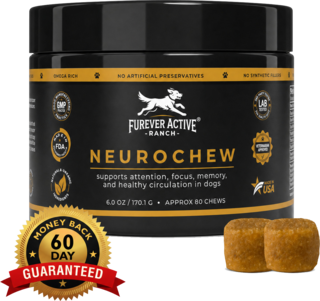
Support your dog's brain health with NeuroChew
NeuroChew is our daily soft chew for dogs, made fresh in the USA. See the ingredients and how it fits into a healthy daily routine.
Learn more about NeuroChew