Dog Brain Health
Why Is My Dog Acting Confused? Causes and Next Steps


Your dog acting confused can stem from several underlying medical conditions, such as age-related cognitive dysfunction, sudden vestibular disease, or sensory decline like vision loss. These issues can cause disoriented pacing, balance struggles, or behavior changes. Because these signs mimic physical or neurological illnesses, a prompt veterinary evaluation is necessary.
When a normally sharp pet suddenly seems lost in their own home, it can leave you feeling deeply concerned. This disorientation can point to a variety of neurological, sensory, or age-related changes rather than simple stubbornness.
Related: does gabapentin cause dementia in dogs
Finding the correct explanation requires sorting through their physical behavior and setting up a medical checkup.
AT A GLANCE
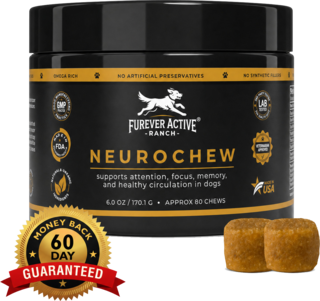
The pick: Our pick is NeuroChew, our own daily brain-health chew, held to the standard this guide teaches.
Reason one: Built for daily brain support, not sedation.
Reason two: Veterinarian-approved, with Dr. Ruth Roberts, DVM, CVFT as the named endorser.
Reason three: A 60-day guarantee, refunded even on an empty bottle.
Skip it if: Your dog has new, sudden, or severe symptoms, is pregnant, nursing, or a puppy, is on medication, or is managing an existing condition without your veterinarian's input.
Could it be a balance system issue?
You might notice your pet suddenly struggling to keep their footing on a flat floor. Symptoms of vestibular disease can appear suddenly and include a head tilt, loss of balance, stumbling, or rapid eye movements, which are sometimes mistaken by owners for a mini stroke.
When this balance system falters, a dog might also walk in circles, roll toward one side, or show signs of nausea.
These sudden balance disruptions are often caused by idiopathic geriatric vestibular syndrome, a condition common in older dogs that frequently improves over days or weeks. These sudden balance changes represent a medical event that requires an immediate physical exam to determine the cause.
Source: VCA Animal Hospitals
Bottom line: Symptoms of vestibular disease can appear suddenly and include a head tilt, loss of balance, stumbling, or rapid eye movements, which are sometimes mistaken by owners for a mini stroke.
How does cognitive dysfunction affect everyday movements?
Your companion might wander into a room and seem entirely lost. A disoriented dog may show behaviors such as staring at walls, getting trapped behind furniture or doors, or pacing without a clear destination.
These actions are classic signs of canine cognitive dysfunction syndrome, often called dog dementia.
Related: does my dog have dementia quiz
When this condition develops, pets frequently lose their sense of direction and struggle to navigate familiar spaces. They may also fail to recognize people they know well or wander into corners and get stuck, unable to figure out how to back up.
These behavioral shifts are core components of the syndrome's impact on their daily routine.
Source: Cornell Riney Canine Health Center and VCA Animal Hospitals
Bottom line: A disoriented dog may show behaviors such as staring at walls, getting trapped behind furniture or doors, or pacing without a clear destination.
How can you make the home environment safer?

Moving through a familiar house becomes hard when a pet's senses or mind begin to fade. For dogs experiencing cognitive decline or vision changes, keeping the home layout consistent and avoiding rearranging furniture may help reduce confusion.
Even minor adjustments to your living room setup can leave a disoriented pet feeling completely lost.
By keeping paths clear and leaving couches and tables in their familiar spots, you provide a predictable map they can rely on. This simple environmental consistency helps them move about with greater confidence.
Age-related cognitive decline may alter a dog's sleep patterns, causing them to wake up, wander, or whine during the night.
Related: why is my dog acting weird
This disruption is often tied to a reversal of their normal sleep-wake cycle, a common sign of canine dementia. While they may sleep soundly during the day, they become restless as evening falls.
This altered activity can leave both you and your pet exhausted, making daytime naps more appealing for them and continuing the cycle.
Bottom line: For dogs experiencing cognitive decline or vision changes, keeping the home layout consistent and avoiding rearranging furniture may help reduce confusion.
How do you prevent injuries at home?

Placing safety gates at stairs or securing hazardous areas can help protect a disoriented or visually impaired dog from accidental falls and injuries.
Bottom line: Placing safety gates at stairs or securing hazardous areas can help protect a disoriented or visually impaired dog from accidental falls and injuries.
How do you tell the difference between dementia and vestibular issues?
Understanding the timeline of your pet's symptoms is key to identifying the cause. Unlike the gradual onset of age-related cognitive decline, vestibular disease signs, such as a sudden head tilt or inability to stand, typically appear abruptly.
While cognitive issues develop slowly over months, a balance system crisis happens in an instant.
This sudden change requires an immediate professional assessment to check for inner ear infections or neurological events. Scientific understanding of cognitive changes in dogs is ongoing, and because every dog is unique, their response to supportive care and environmental adjustments will vary.
Related: can dogs get anxiety after pneumonia
Bottom line: Unlike the gradual onset of age-related cognitive decline, vestibular disease signs, such as a sudden head tilt or inability to stand, typically appear abruptly.
Where NeuroChew fits in all this
Full transparency: NeuroChew is ours. It's a veterinarian-approved daily soft chew that supports normal brain function and healthy circulation in dogs.
It's daily support, not medicine, designed to fit alongside your vet's plan rather than replace it. Dr.
Ruth Roberts, DVM, CVFT, puts it this way: "I support NeuroChew because it's the first dog chew that supports both brain function and healthy circulation!" If the signs above sound familiar, a daily brain-support routine is one of the simplest places to start.
Frequently asked questions
What does a mini stroke look like in a dog?
Many owners mistake the sudden onset of vestibular disease for a mini stroke. If your pet shows these sudden changes, they need an immediate professional examination to identify the cause.
What to do if my dog seems confused?
First, arrange a prompt professional evaluation to rule out physical, sensory, or neurological conditions. Finally, avoid punishing them for confusion-related behaviors like accidents or nighttime whining, as this only increases their stress. Changes in your dog's mental or physical state can be hard. but you do not have to do it alone. Your veterinarian is your best resource for finding answers and building a supportive plan. Prioritizing their safety and comfort will help maintain their quality of life.
Confusion can point to vestibular disease, cognitive decline, or vision loss, and those patterns need a prompt veterinary workup. If your dog behaves in a confused or disoriented manner, arrange a prompt veterinary evaluation to identify or rule out underlying physical, sensory, or neurological medical conditions.
Keep the home layout consistent, gate hazards, and avoid punishing confusion-related accidents.
References
- Cognitive dysfunction syndrome, Cornell Riney Canine Health Center. https://www.vet.cornell.edu/departments-centers-and-institutes/riney-canine-health-center/canine-health-topics/cognitive-dysfunction-syndrome
- Vestibular Disease in Dogs, VCA Animal Hospitals. https://vcahospitals.com/know-your-pet/vestibular-disease-in-dogs
- Cognitive Dysfunction Syndrome in Dogs, VCA Animal Hospitals. https://vcahospitals.com/know-your-pet/cognitive-dysfunction-syndrome-in-dogs
- Blindness in Dogs, VCA Animal Hospitals. https://vcahospitals.com/know-your-pet/blindness-in-dogs
As of July 2026
Get practical dog wellness tips by email
Occasional, useful guidance on keeping your dog healthy and happy. Unsubscribe anytime.
No spam. We respect your inbox.
Support your dog's brain health with NeuroChew
NeuroChew is our daily soft chew for dogs, made fresh in the USA. See the ingredients and how it fits into a healthy daily routine.
Learn more about NeuroChew