Dog Brain Health
Why Is My Dog Acting Weird? Common Causes Explained


A dog acting weird is often displaying the first signs of an underlying medical issue, sensory loss, or cognitive change. Sudden disorientation, stumbling, or personality shifts are signals that require careful observation and prompt veterinary evaluation to determine if the cause is physical, neurological, or related to age-related decline.
It is deeply unsettling when your usually predictable dog starts behaving in ways you cannot explain. You might notice subtle shifts in how they move through the house or how they react to your presence. Understanding these sudden changes is the first step toward getting your dog the right support.
Related: what causes dementia in dogs
Why is my dog suddenly stumbling or walking in circles?

Sudden signs of instability, such as a head tilt, stumbling, or walking in circles, may point to vestibular disease, which requires professional veterinary evaluation. Your senior dog might stand in the hallway and seem to lose track of where they are going. Disorientation, including staring blankly at walls or getting trapped behind furniture, can be a symptom of canine cognitive dysfunction.
Canine dementia is the lay term for this progressive condition. This syndrome is a leading suspect when senior dogs start acting confused or wandering aimlessly. The core categories of this framework include: Disorientation (such as getting stuck in corners or not recognizing people) Interaction changes Sleep-wake cycle reversal House-soiling Activity or anxiety changes Hesitating in dark rooms, bumping into walls, or refusing to go down stairs can be observable signs of vision loss.
Source: VCA Animal Hospitals and Cornell Riney Canine Health Center
Why is my dog awake and pacing at night?

Changes in a dog's sleep-wake cycle, such as wandering at night and sleeping more during the day, may indicate age-related cognitive decline. Keeping the household layout consistent and avoiding moving furniture may help a dog with vision loss navigate the home safely. Maintaining a structured daily routine and avoiding major changes to the home environment may help manage anxiety in dogs with cognitive dysfunction.
Predictability is incredibly comforting to a dog dealing with mental decline. Keeping feeding times, walks, and bedtimes identical every day helps lower their stress levels.
Source: Cornell Riney Canine Health Center and VCA Animal Hospitals
When should I take my dog to the vet for behavioral changes?
Sometimes, a dog's behavior changes overnight without an obvious trigger. A sudden shift in a dog's behavior or personality is often the first indicator of an underlying medical problem and should be evaluated by a veterinarian. Hidden pain, gastrointestinal distress, or neurological issues can easily mimic behavioral problems like anxiety.
It is essential to rule out these physical causes before assuming your dog's odd behavior is purely psychological.
Related: what causes anxiety in dogs
Source: Merck Veterinary Manual
What causes rapid eye movements and balance issues?
Rapid, involuntary eye movements can occur suddenly alongside other signs of balance loss in dogs. This rapid flicking of the eyes is a clinical sign that often accompanies a sudden head tilt, nausea, and a complete loss of physical orientation. Dogs experiencing this might roll or lean heavily toward one side because their internal sense of balance is completely disrupted.
Canine cognitive dysfunction is associated with age-related degenerative brain changes that share physical similarities with Alzheimer's disease in humans. Your dog's eyes can reveal a lot about their internal health. Physical abnormalities in the eye, such as cloudiness or unresponsive pupils, are visible signs that may indicate vision loss in a dog.
When examining your dog's eyes, look for a milky appearance or pupils that do not constrict in bright light. These visible changes can point to progressive conditions like cataracts or acute emergencies like glaucoma.
Source: VCA Animal Hospitals and Cornell Riney Canine Health Center
Why is my trained dog suddenly having accidents in the house?
A previously house-trained dog who begins house-soiling may be exhibiting symptoms of cognitive dysfunction, once other physical causes are ruled out by a veterinarian. Changes in social interactions, such as a dog becoming unusually clingy or unexpectedly withdrawn from family members, may be a sign of cognitive decline.
Source: Cornell Riney Canine Health Center and VCA Animal Hospitals
Does canine cognitive dysfunction look the same in every dog?
No two senior dogs experience the aging process in the exact same manner. Behavioral signs of cognitive dysfunction vary significantly between individual dogs, and there is no single uniform way the condition presents.
Some dogs may only wander at night, while others show severe disorientation during the day. This wide variation means that every senior dog's experience with cognitive decline is unique.
Related: dog dementia stages
Every dog responds to behavioral changes in their own way. Clinical presentations of behavioral changes vary among individual dogs, and response to management strategies can differ depending on the dog.
A strategy that calms one pet might not show the same results in another. Finding the right combination of environmental adjustments requires patience and close observation of your dog's reactions.
Source: VCA Animal Hospitals and Cornell Riney Canine Health Center and Merck Veterinary Manual
Where NeuroChew fits in all this

From our family ranch, full disclosure: this one is ours
Reading pages like this usually means you're worried about a dog you love, so let's be straight about who we are: NeuroChew is ours. It won't replace the veterinary workup this guide keeps pointing you toward, and it doesn't try to. It's a veterinarian-approved daily soft chew built on phosphatidylserine, Norwegian salmon oil, and beet root with ginger to support normal brain function and healthy circulation as your dog ages.
- ✓ 60-day guarantee: not thrilled? Even the empty bottle gets a full refund
- ✓ Free shipping on every order
- ✓ Multi-bottle packs save up to 40%
"I support NeuroChew because it's the first dog chew that supports both brain function and healthy circulation!" Dr. Ruth Roberts, DVM, CVFT
See What's Inside NeuroChew →Daily support, not medicine. It fits alongside your vet's plan, never in place of it.
Frequently asked questions
When should I be concerned about my dog acting weird?
You should be concerned immediately if your dog displays sudden signs of balance loss, such as a head tilt, stumbling, or rapid, involuntary eye movements. A sudden shift in personality or behavior, or sudden signs of vision loss like bumping into walls, also warrants a prompt veterinary exam to identify the underlying physical cause.
How can you tell if your dog is unwell?
A dog may be unwell if you notice physical eye abnormalities like cloudiness, balance issues, or unexpected house-soiling in a previously trained pet. Changes in social interactions, such as becoming unusually clingy or suddenly withdrawn from family members, are also clear signs that a dog is experiencing discomfort or cognitive decline.
Watching your dog behave strangely can be incredibly stressful, but identifying these changes is the first step in helping them. Working closely with your veterinarian is the best way to determine the cause of these symptoms. Together, you can create a safe, comfortable plan to support your dog through any physical or cognitive changes.
Get practical dog wellness tips by email
Occasional, useful guidance on keeping your dog healthy and happy. Unsubscribe anytime.
No spam. We respect your inbox.
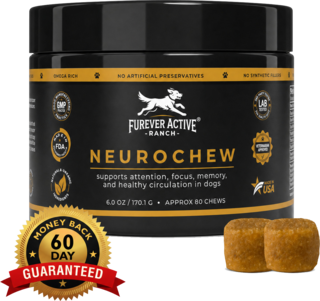
Support your dog's brain health with NeuroChew
NeuroChew is our daily soft chew for dogs, made fresh in the USA. See the ingredients and how it fits into a healthy daily routine.
Learn more about NeuroChew